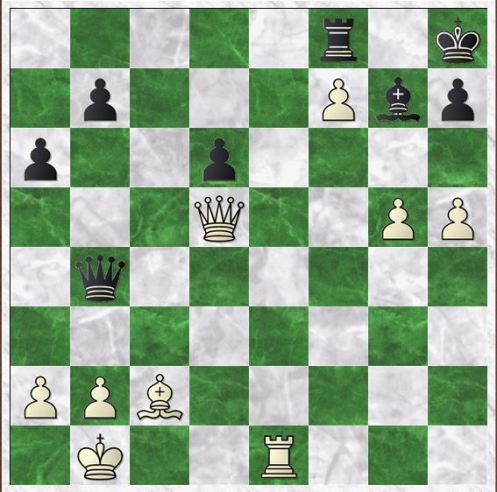
Black to play and win
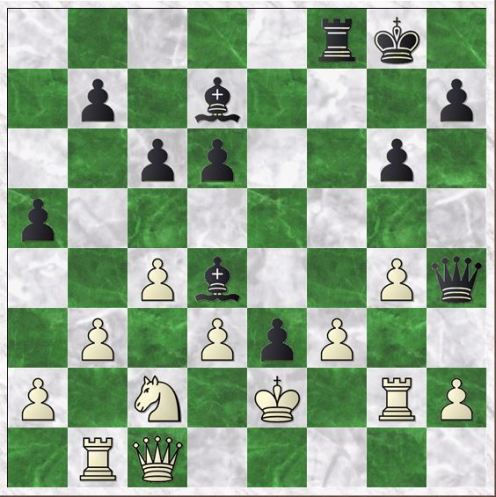
Bellon- Smejkal, Siegen 1970
Solution
Firstly, my initial try 1…Bg4 fails to 2 Nd4, and whilst Black is better after 2…Bh3, it isn’t decisive. But changing the order of moves reveals a nice mating line, 1…Rf3!
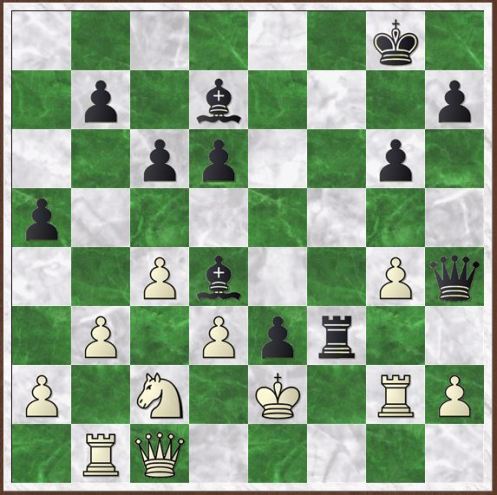
Then 2 Kf3 Bg4+ 3 Rg4 (3 Ke4 Bh5+ and mate next move) Qf2+ 4 Ke4 Qf5+ 5 Kd4 Qe5 is a pretty mate, which Bellon sportingly allowed to happen.
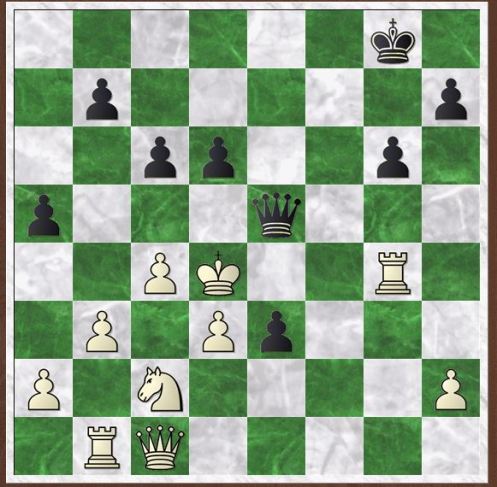
If instead 2 Nd4 then 2..Rf2+ wins the exchange, with a dominant position to boot.
Black to play and win after 1 h5
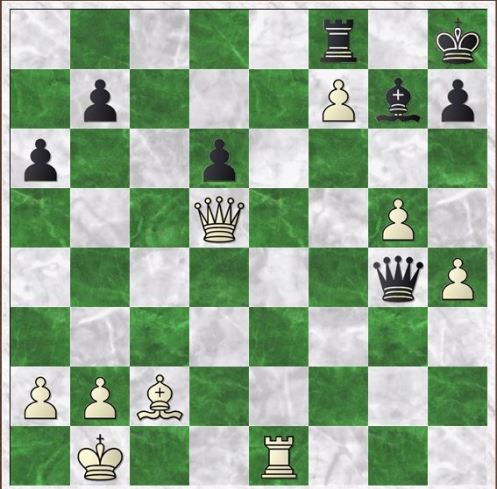
Portisch v Gligoric, Siegen 1970
Solution
Trivial today: 1…Qb4 is a double attack on the LPDO Re1 and on the Pb2.
Instead, 1 Re1 or 1 a3 would be winning for White, fairly easily.
Is the Pe6 poisoned?
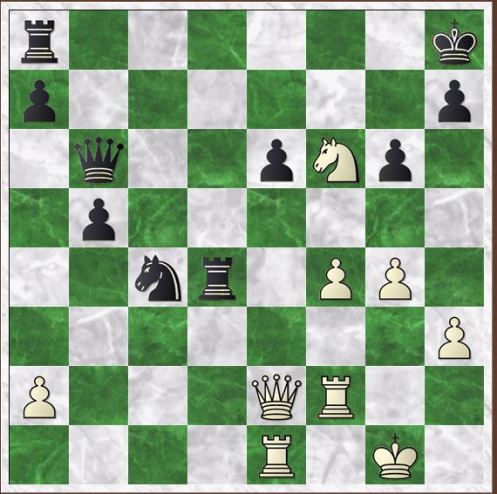
Spassky v Fischer, Siegen 1970
Solution
Answer: no, because before the 1972 match, Fischer had never beaten Spassky.
Longer answer: 1 Qe6 Rd1 2 Qf7!
My engine give a long line in which White emerges as better: too long for humans to compute, but it is clear from 2 Qf7 that White is at least not worse.
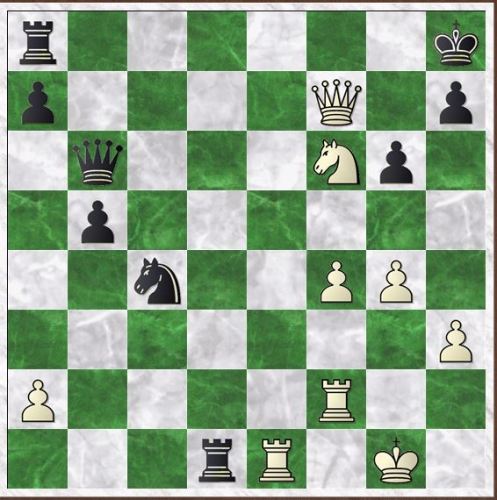
Black to play and win
Black resigned here, assuming 1..Qh3 2 bc Bf3 3 Qf3; should he have done?
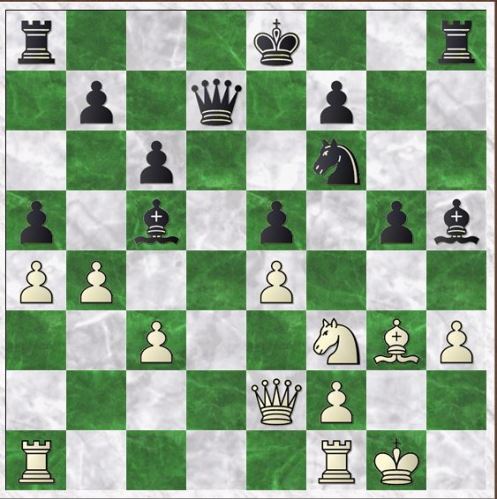
Colditz v Schutze, Berlin 1970
Solution
“Of course not”: whenever problems are posed in this way, you know the answer, all you need to do is find out why.
Here, it is fairly easy: 2..Qh1+! and mates.
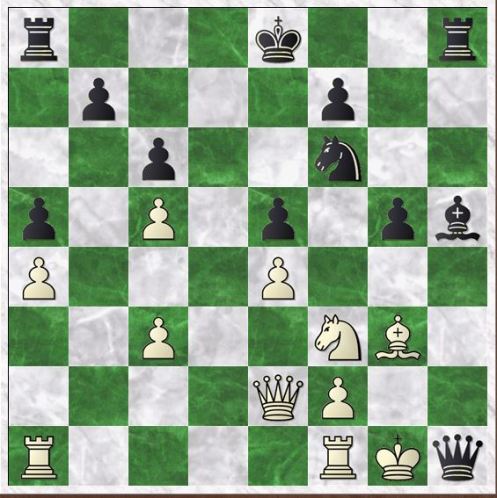
Black to play and win
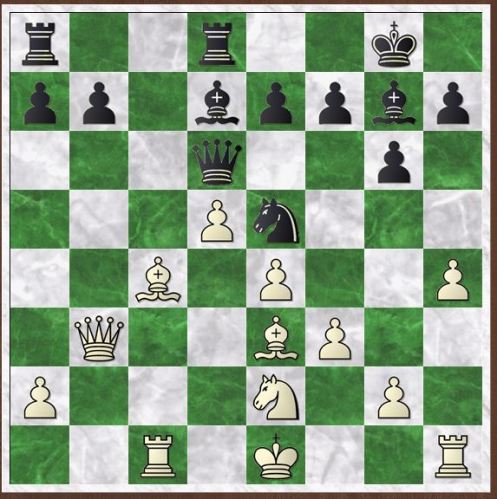
Naranja v Portisch, Siegen Olympiad 1970
Solution
After yesterday’s failure, today’s was better: 1..b5! is an obvious biff, and if 2 Bb5 Rab8 wins some material; so 2 Bd3 when 2…Qb4+! is a nice win of piece.
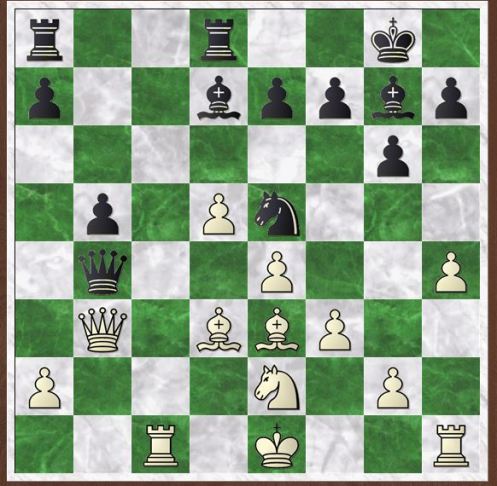
White to play and win
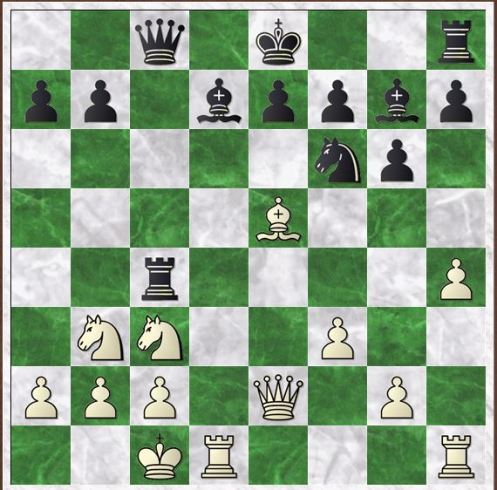
Fischer v Camara, Siegen Olympiad 1970
Solution
I failed miserably on this one: why do I so often score badly on Fischer problems? I don’t know, but I do.
After much time spent on it, I played 1 Nd5 Be6 2 Qc4, thinking it was clever, but 2…Bh6+! gives luft to the king and wins easily.
Instead, as well as seeing Nd5 ideas, I also looked at Nb5, but felt it too tame. Not so: 1 Rd7! Kd7 2 Nb5 and White wins.
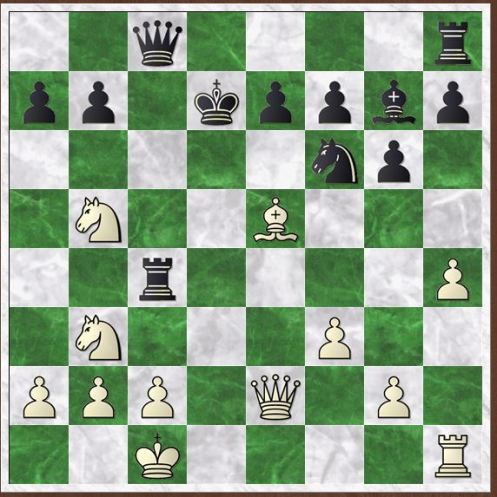
Best to study: it is fairly remarkable how strong the overloading of the Qc8, tied to defending the Rc4, allied with e.g. the N fork if Rc6. Best for readers to try alternative defences and see how white wins.
White to play and win
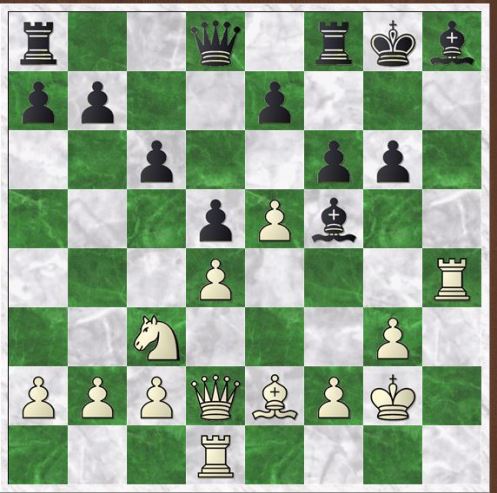
Gufeld v Ozsvath, Debrecen 1970
Solution
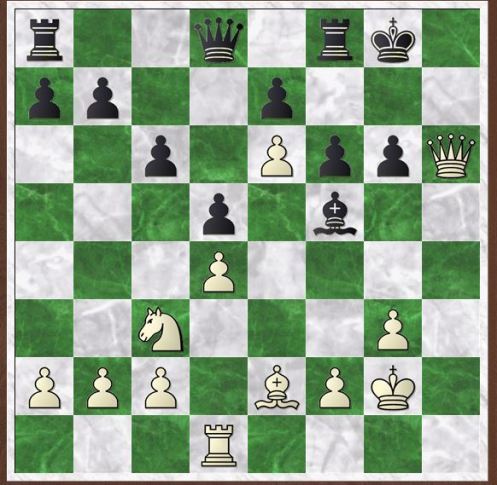
Not too hard: 1 Rh8+ has to be considered, and after 1…Kh8[] 2 Qh6+ Kg8[] 3 e6 is natural and a quick check shows it wins: Rh1 and Qh7 mate follows.
White to play and win
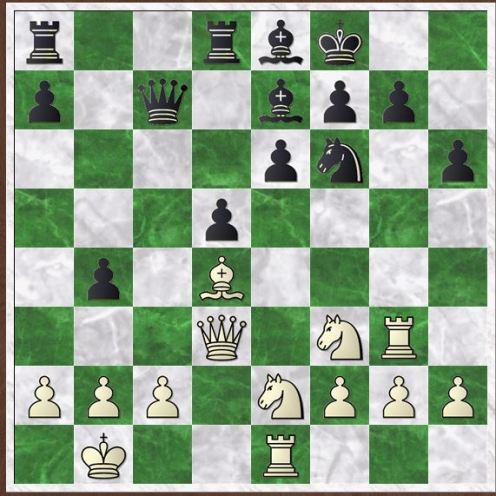
Vasyukov v Browne, Skopje 1970
Solution
Nice, but fairly simple: 1 Qh7! has to be tried, and if 1…Nh7 then 2 Bg7+ Kg8[]3 Be5+ and regains the Queen.
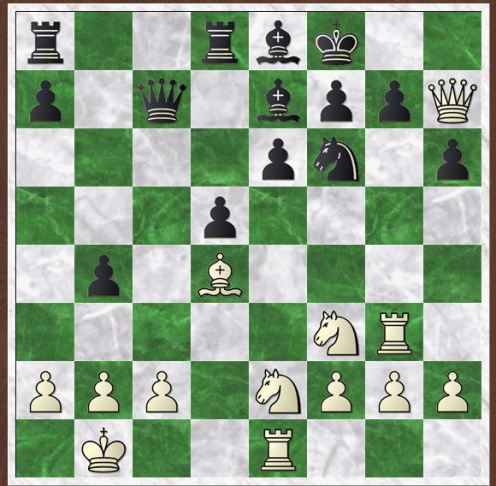
This happened in the game, and Black struggled on for a long while: the game isn’t over, but White is far better.
White to play and win
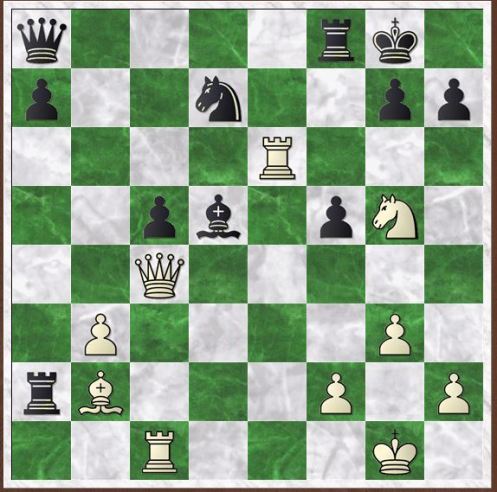
Spassky v Ciric, Amsterdam 1970
Solution
Nul points for me. Spassky played the lovely combination which I just didn’t see- 1 Qh4 h6 2 Qh6!!
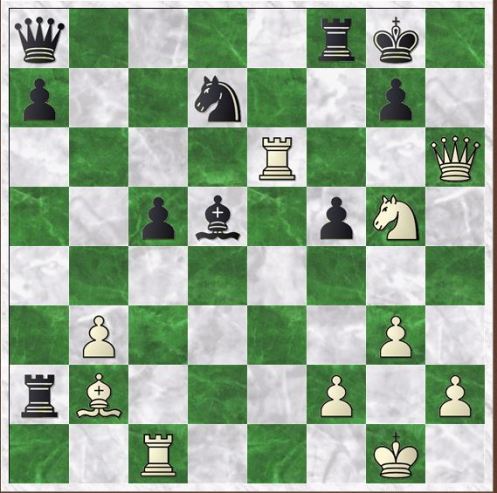
Wonderful.
If 2..Nf6 3 Rf6!! continues the explosion.
White to play and win
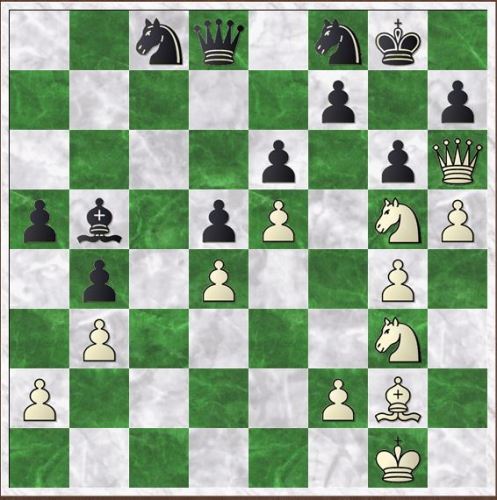
Fischer v Panno, Buenos Aires 1970
Solution
One from my chess education: I knew this game, probably from a book by David Levy on Fischer that I read as a child. 1 Be4! brings one more piece to the party.
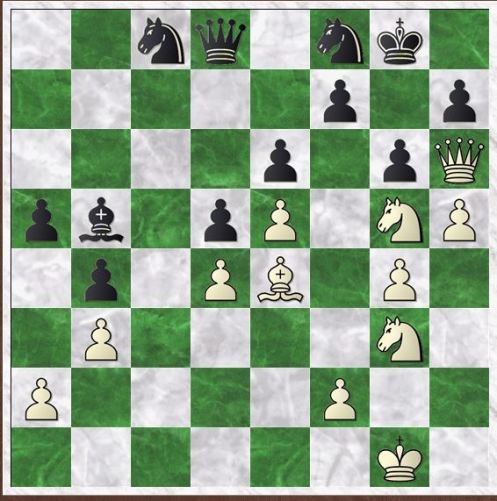
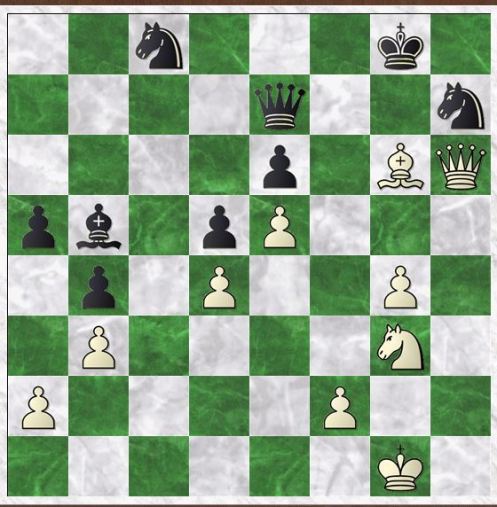
It can’t be captured, else 2 Nge4 heads to f6; so instead 1…Qe7 2 Nh7 Nh7 3 hg fg 4 Bg6 and if Qg7 then 5 Bh7+ Qg7 and 6 Qe6+ picks up the LPDO Nc8.
 allanbeardsworth