White to play and win
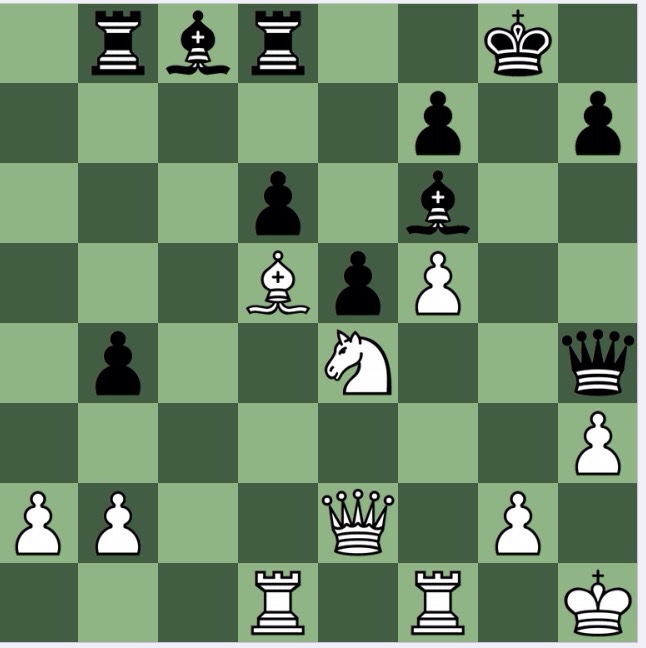
Matulovic v Damjanovic, Sarajevo 1966
Solution
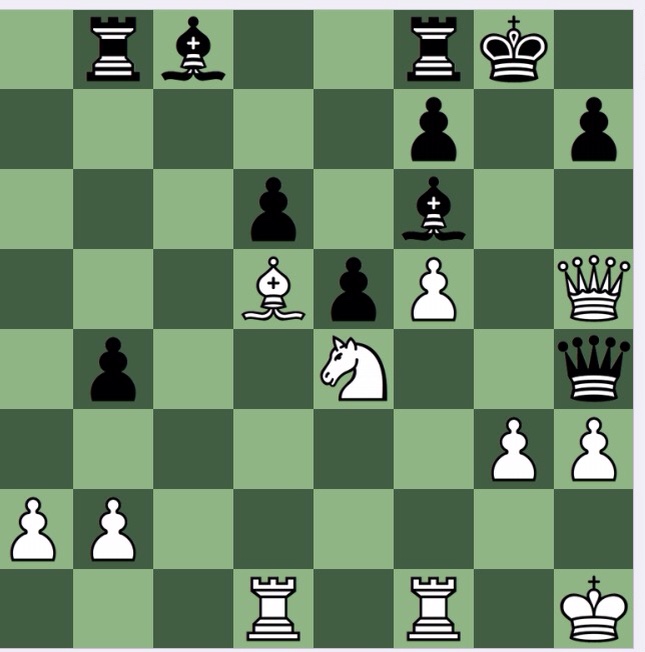
Black's Queen is tied to the Bf6, and there is a Nf6+ forking threat, so 1 Qh5!, which also hits the Pf7, and if 1…Rf8 then 2 g3 wins.
 Posted with Blogsy
White to play and win
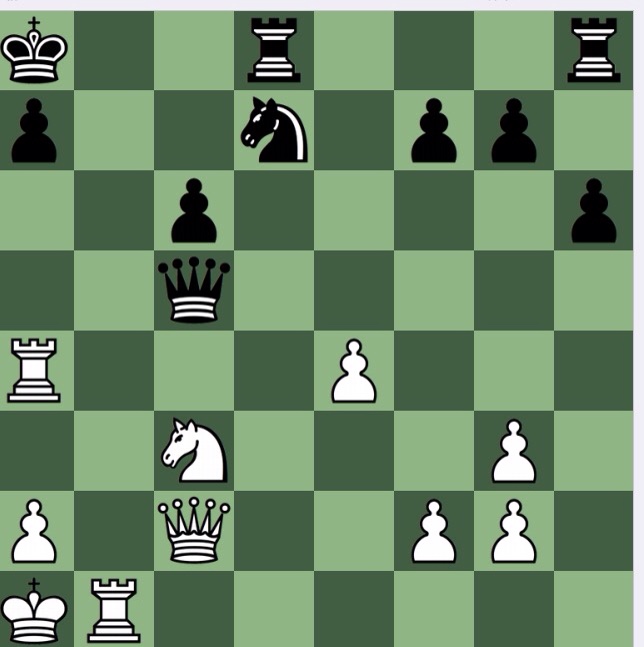
Böök v Halfdanarson, Reykjavik 1966
Solution
1 Nd5! is the first or second move to be tried: in fact, I first looked at the similar minded 1 Nb5?, which fails to 1…Qe5+.
If 1…Qc2, then 2 Nc7 mate.
If 1…cd, then 2 Ra7+!
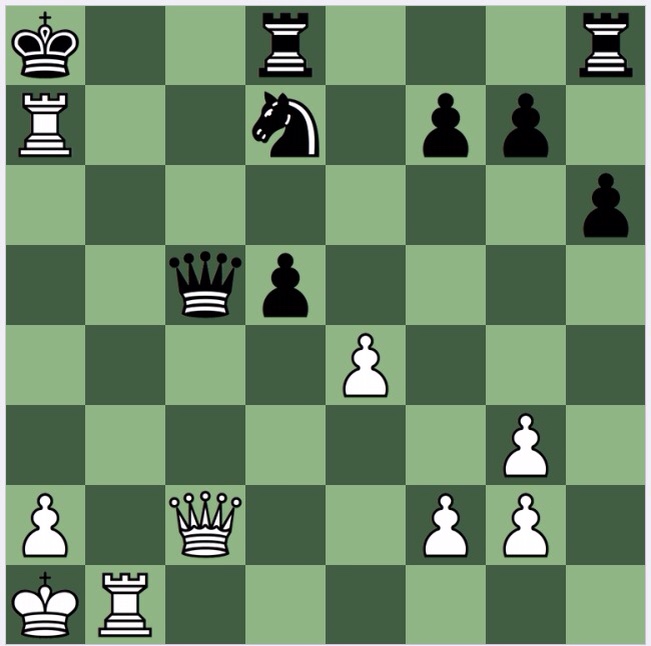
2…Ka7, 3 Qa4+ mates next move; 2..Qa7, 3 Qc6+ similarly.
Very neat.
Black to play and win
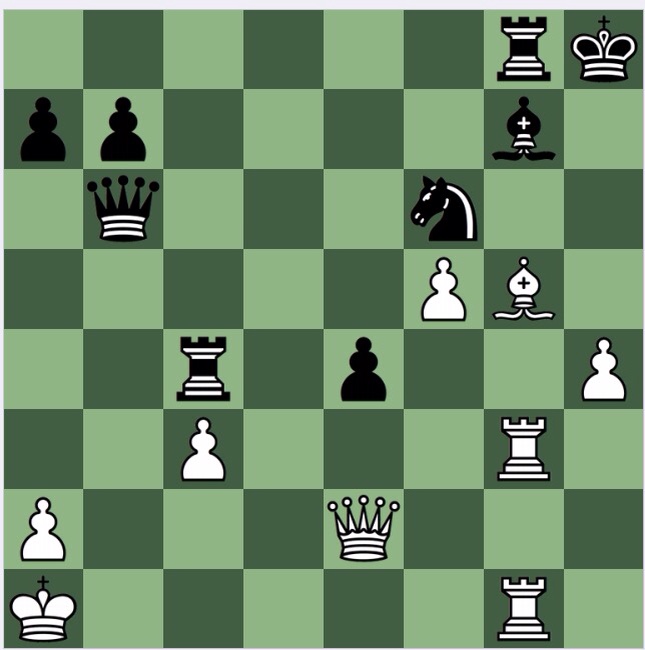
Ekblom v Heemsoth, correspondence 1966
Solution
Black actually played 1…Rc4-c8, but 1…Rc3! wins. 2 Bf6 Rc1+! 3 Rc1[] Bf6+ 4 R(either)c3 Bc3+ 5 Rc3[] Rg1+ 0-1; all Black's pieces contribute to the finale.
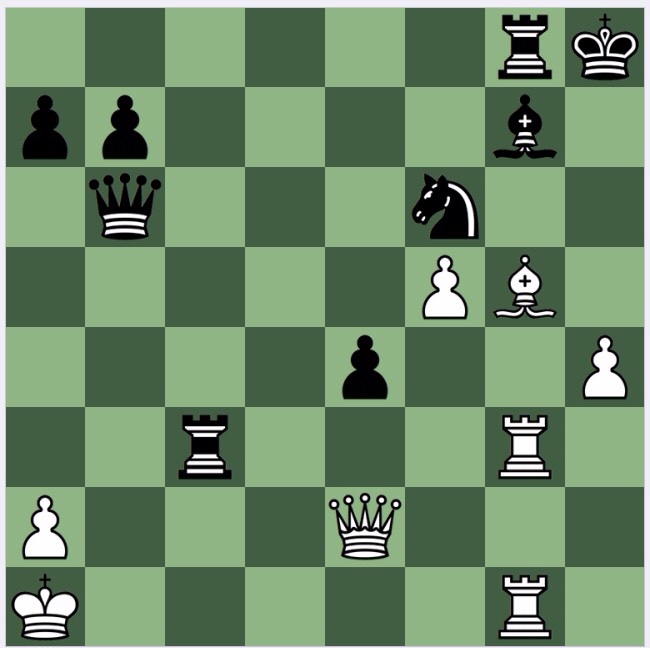
White to move: evaluate the position
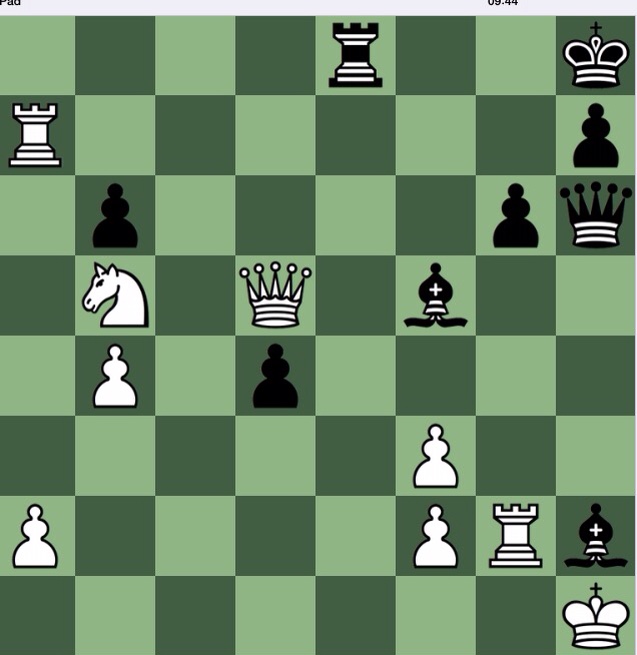
Mileika- Rozenfeld, Latvia-Estonia corres, 1966
Solution
White resigned this correspondence game, as well he might. I am sure in OTB play, many White players would see 1 Rh2 Re1+ 2 Kg2[] Qg5 mate; 1 Re7 (idea 1…Re7?? 2 Qd8+ picking up the R) 1..Be5+ 2 Kg1 Qc1 mate, try a few interpositions on the e file (e.g. 1 Qe4? Be5+, again), and who could blame them?
CJS Purdy would, telling his readers to ignore threats, and to examine all biffs, leading here to 1 Rh7+!
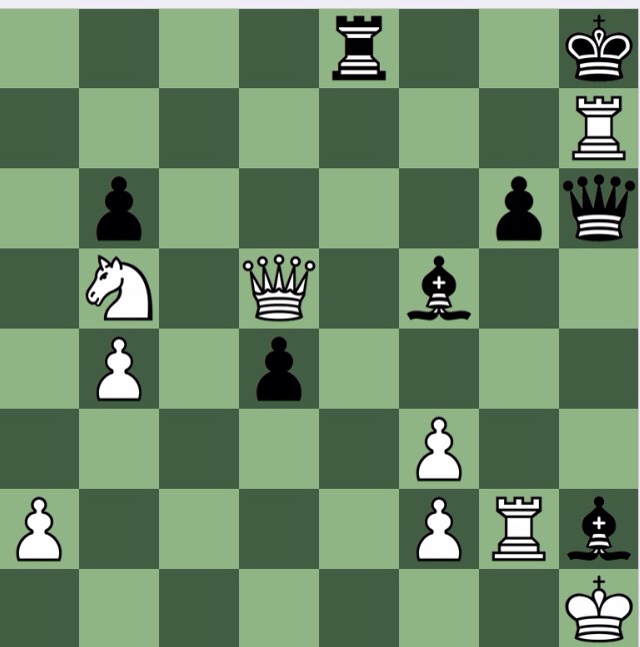
Then, if 1…Qh7, White can now capture 2 Rh2, pinning the queen, so that 2…Re1+ 3 Kg2 is 1-0; and Black's only other move, 1..Kh7 is met by 2 Qf7+ and either queens come off (2…Qg7) or Black's LPDO Re8 does, in both games being the end of the attack (2…Qg7 3 Qe8+ first, 3…Qg8 4 Qg8+ and 5 Kh2).
White to play and win
-the motif should be fairly obvious, but the task here is to evaluate and decide how to beat Black’s various defences.
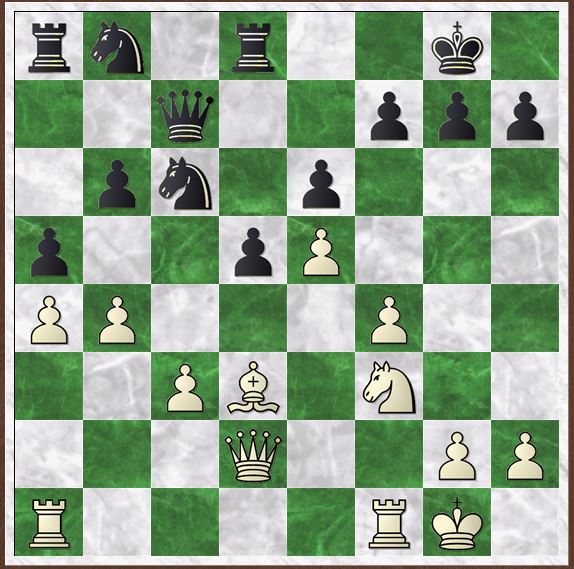
Nigel Short v Eylon Nakar, Isle of Man, 4/10/15
Solution
I logged on to Playchess on and off yesterday, firstly to watch game 4 of Svidler-Karjakan, and secondly to watch my schoolfriend Nigel Short and others play round 2 of the PokerStars tournament in Douglas, Isle of Man.
I logged on after Black had played 19…a5, and, before I could fully analyse 20 Bh7+, Nigel had played it. At that time, I thought the sacrifice was insufficient because of (20..Kh7 21 Ng5+ Kg8 22 Qd3) g6.
White to play and win
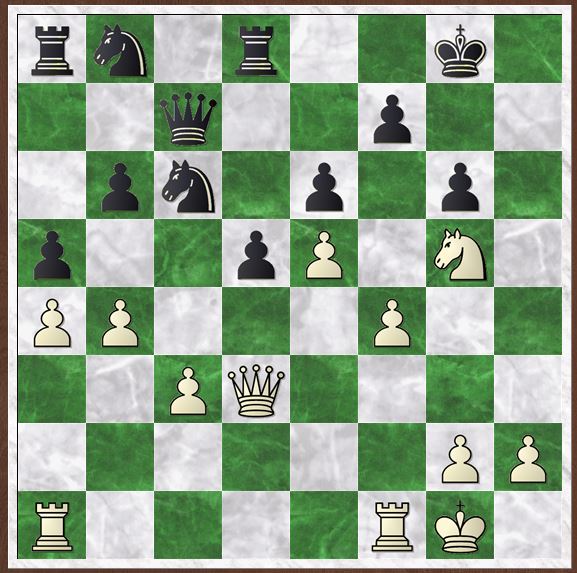
Black took ages after 22 Qd3, so that, alas, I had to log off and carry on with Sunday chores. When I looked back later, Black had played what I had thought the more trivial to defeat line, 22…Kf8, and Nigel won by checking and opening more lines.
After 22..g6, I couldn’t see the path to victory, especially if 23 Qh3 Kf8, trying to shuffle away. I printed the diagram out, ready to set up the pieces, but before doing so, I had the ‘lightbulb’ moment: the Qc7 is a LPDO (as is the Ra8- it was using the technique of reviewing for LPDOs that I found the solution): 24 Ne6+ (forking King and Queen, so the knight must be taken) 24…fe[] 25 Qh8+, 26 Qh7+ and 27 Qc7. The final point is that on c7, the White Queen is safe, and can’t be trapped.
I have analysed the combination here.
Wonderful to see Nigel playing with such style.
I have analysed the combination here.
http://www.viewchess.com/cbreader/2015/10/5/Game835722984.html
White to play and win
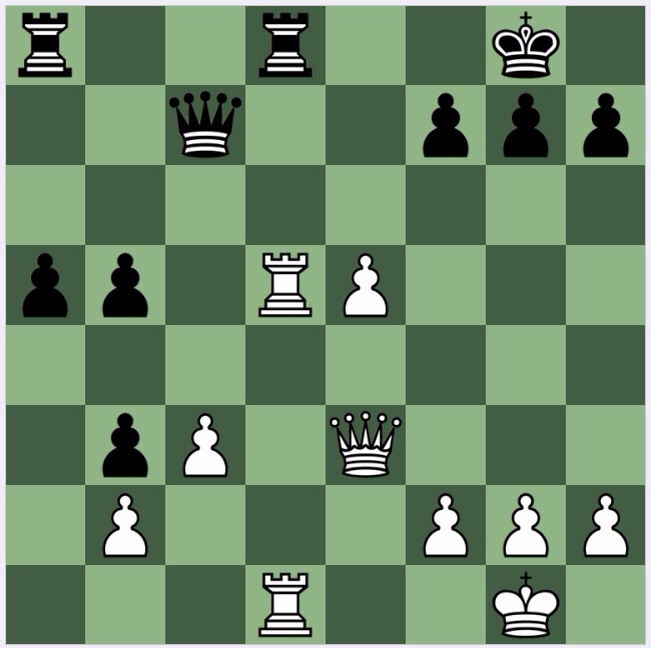
Minic v Honfi, Vrnjacka Banja 1966
Solution
A standard problem: the Black Queen is tied to defending the Rd8, with the Black king in a net, and 1 Qa7! overloads the Qc7. All that needs to be checked is that 1..Rd5 itself doesn't succeed, since White's King is also in a net, but it doesn't, due to 2 Qa8+, mating. The terms in bold are CJS Purdy words, as my regular readers will be very familiar with.
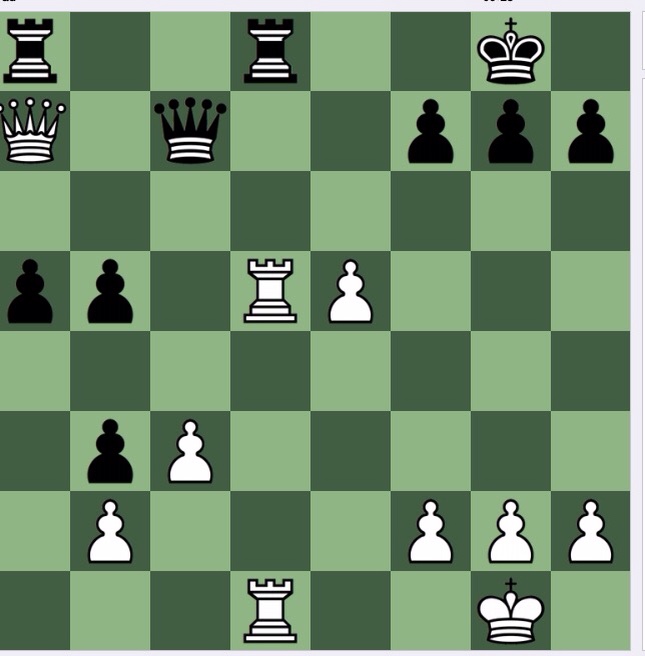
White to play and win
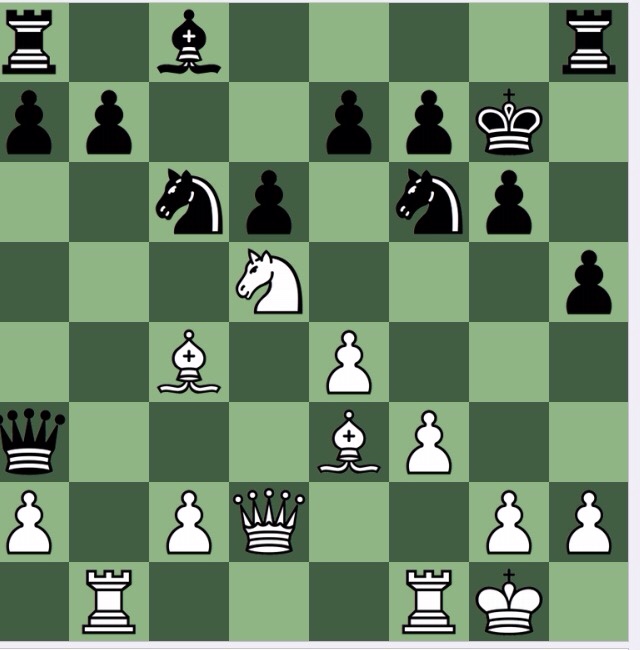
Stein v Pelikan, Mar del Plata, 1966
Solution
Several moves win, with my engine preferring 1 Nf6 and/or 1 Bb5, to the line I chose, the flashier 1 Ne7! I think Stockfish chose the others because after 1 Ne7, 1…Ne5 Black can grovel on, though the engine assesses the position as +2.5; though my main line was a queen entrapment, 1…Ne7. 2 Rb3 Qa4 3 Bb5 Qa2[] 4 Bd4, with the double threat of disaster on f6 and Ra1.
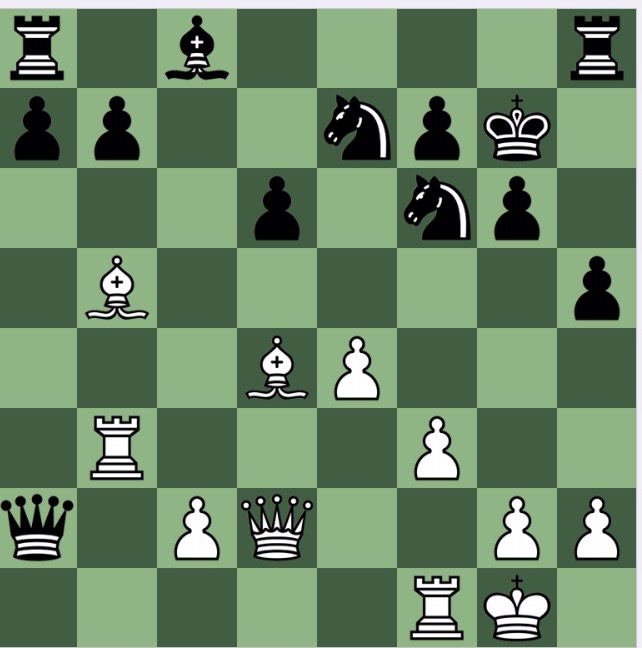
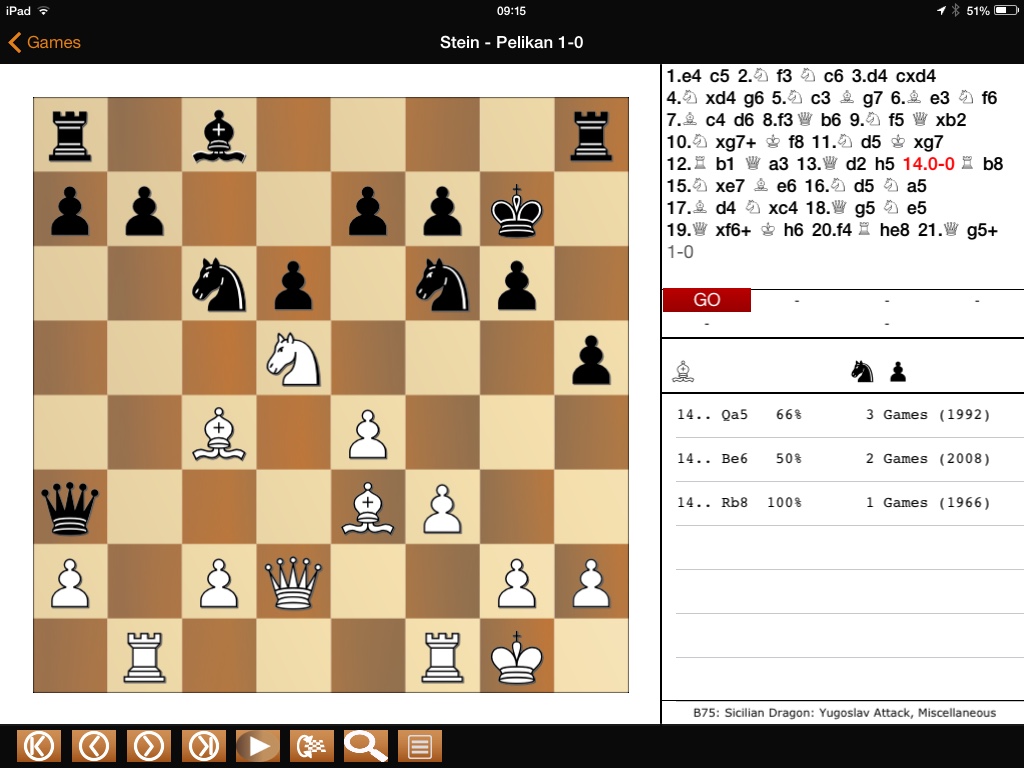
The game, screen print from ChessBase's online app, is below. I was surprised to see that the line has been played before: it seemed one sided, but on further review, it is only 14…Rb8 which enables the poisoned pawn grabbing queen to be trapped.
White to play and win
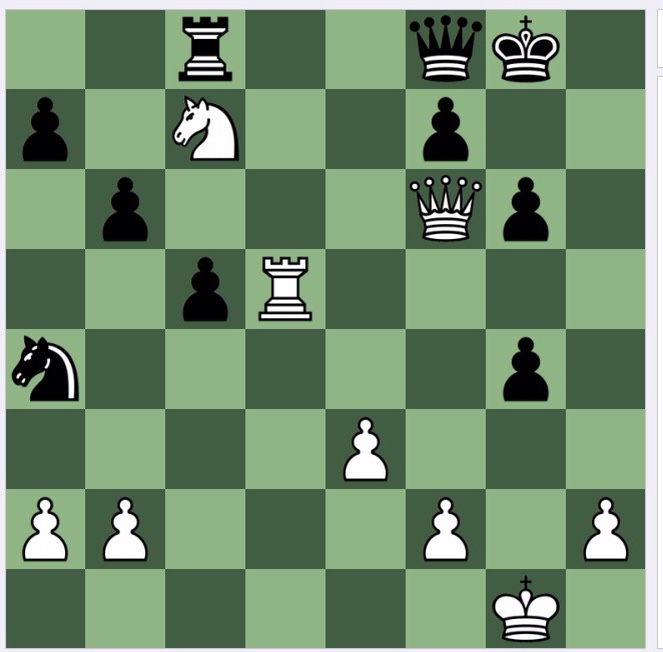
Gheorghiu v Möhring, Halle 1966
Solution
Pretty, and neat how everything fits together. 1 Ne6!
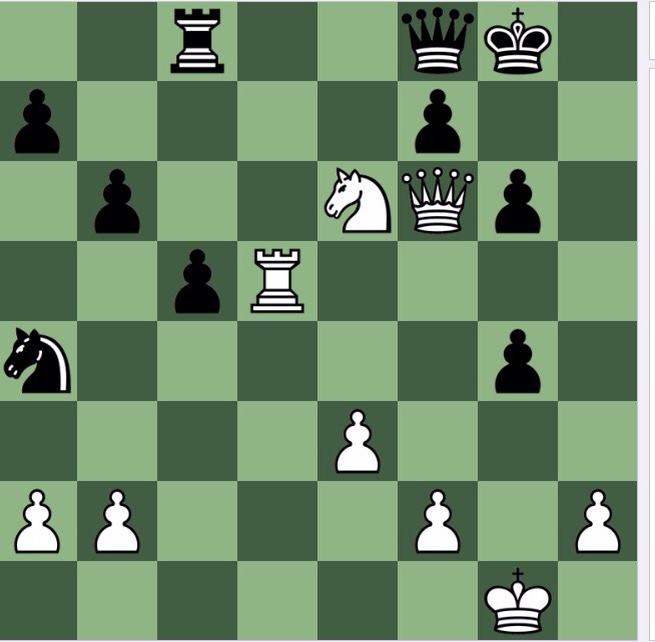
If 1…fe, then 2 Qg6+ Qg7 (2…Kh8, 3 Rh5+) 3 Qe6+ and picks up the LPDO Rc8.
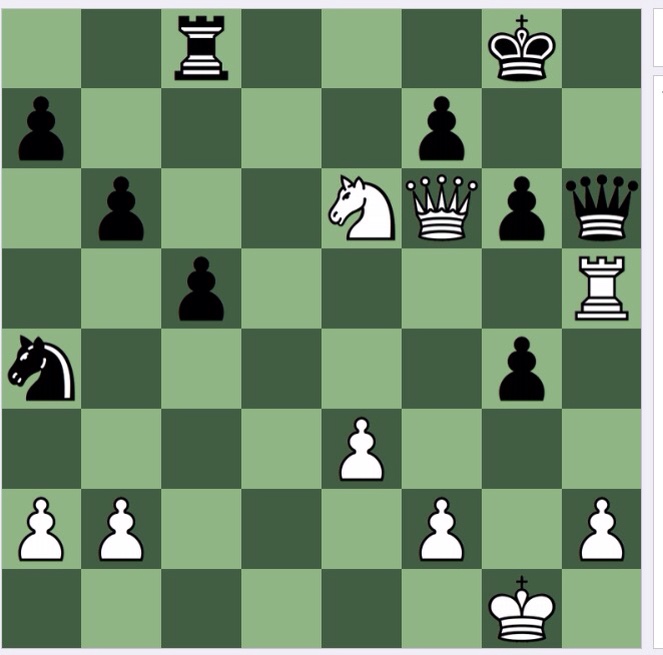
Black's second attempted defence 1…Qh6 when the nice 2 Rh5!, an unusual diversionary move, wins. The little pawn on e3 plays his role (preventing a spite check).
Black can also try 1…Rc8! which tries to thwart White's main threat but again, 2 Rh5!! and once the rook is taken, White moves his Queen away with check, and then picks up the Qf8.
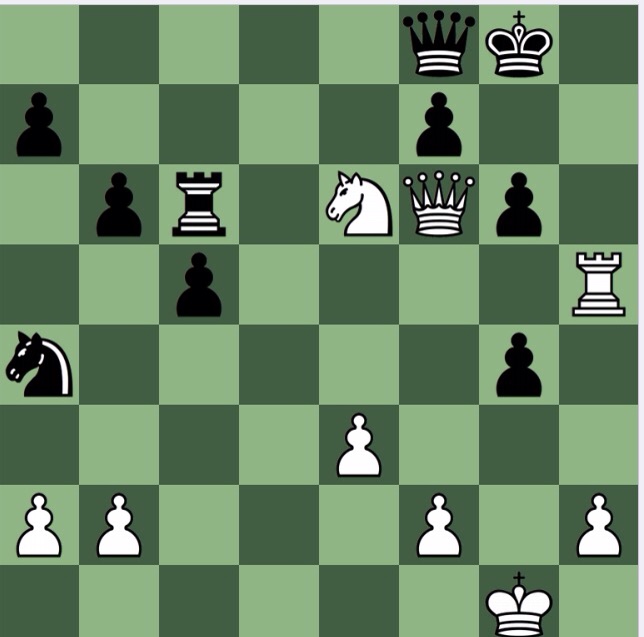
My engine plays this line very cruelly. Before taking the black queen, White's queen zigzags back to g2, picking up the h5 and g4 pawns en route, and from g2 hitting the Rc6. That rook is defended, but any of its moves lead to the rook falling off (…Rh6 Qg5 Rh3 Kg2 being one entrapment, otherwise mainly dropping off to a double attack, king and rook).
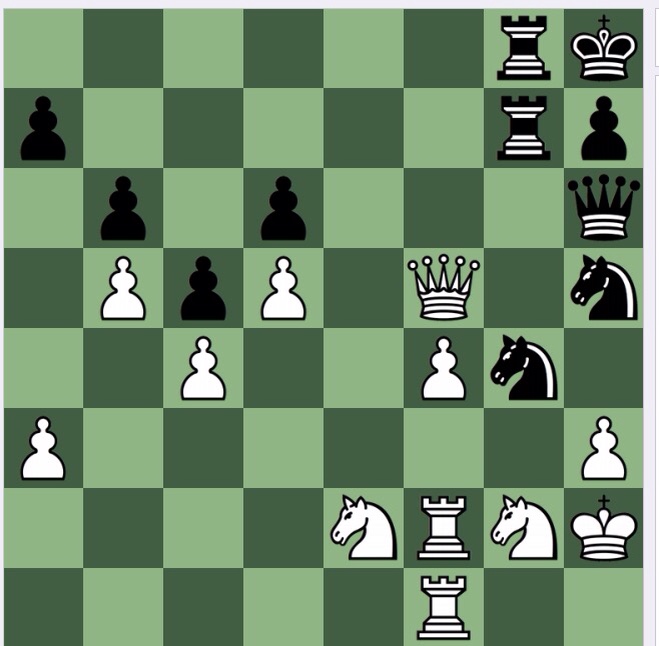
Black to play and win
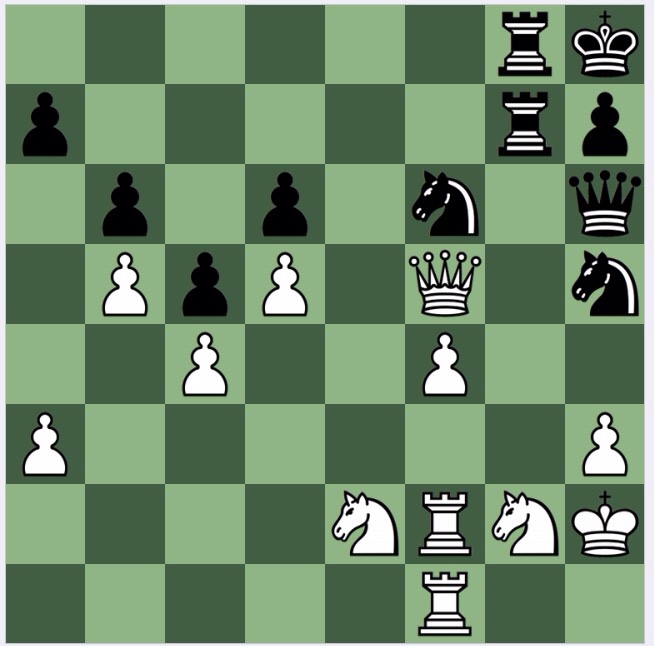
Halfdanarson v Wade, Reykjavik 1966
Solution
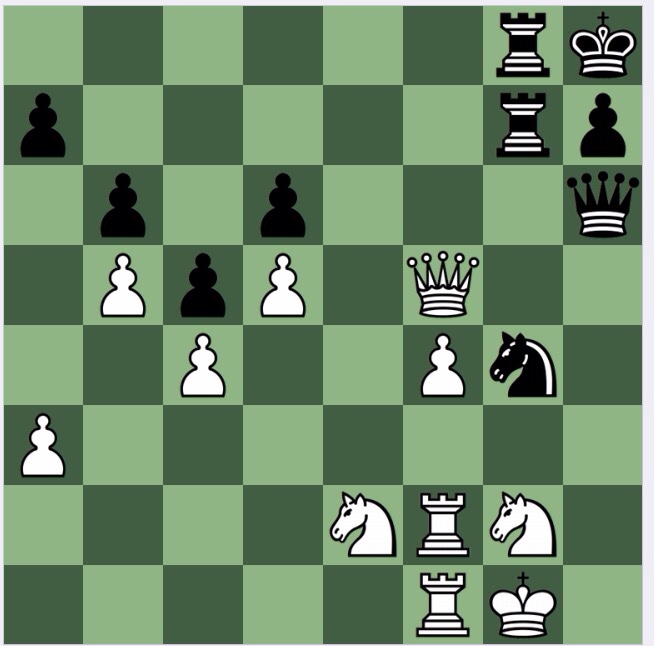
Not too hard today, since the only motif has to be to break through on the g or h files, and apart from 1…Rg2+, which doesn't succeed, there is little else to try but 1…Ng4+!
If the King moves, then 2…Ne3 0-1, not only because the Qf5 is biffed, but because of the triple attack on the Ng2. So, 2 hg Nf6+ and 3….Ng4 brings the house down.
White to play and win
Find the win; and find the win against the best defence
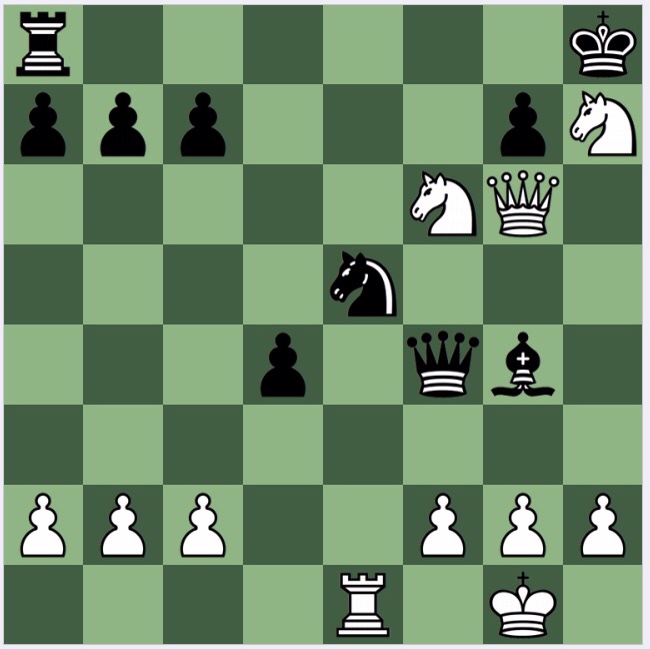
Morse v Buschine, corres 1963-6
Solution
Level 1: easy, follow Purdy's ignore threats advice, and 1 Ng5! Ng6? 2 Nf7 mate. Pretty, but not too hard.
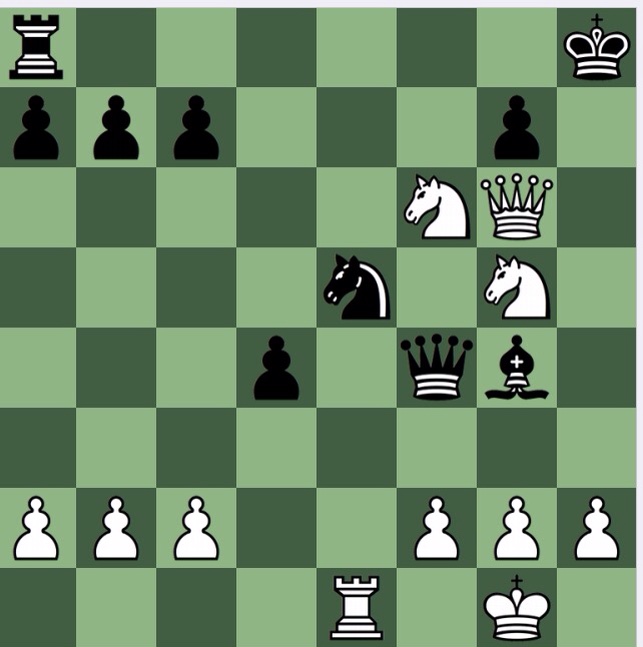
Level 2: if 1…Bf5, then 2 Qh5+ mates next move.
To my shame, I thought that was it, and started to write this blog: but Stockfish suggested 1…Qf5!
White to play and win 1….Qf5
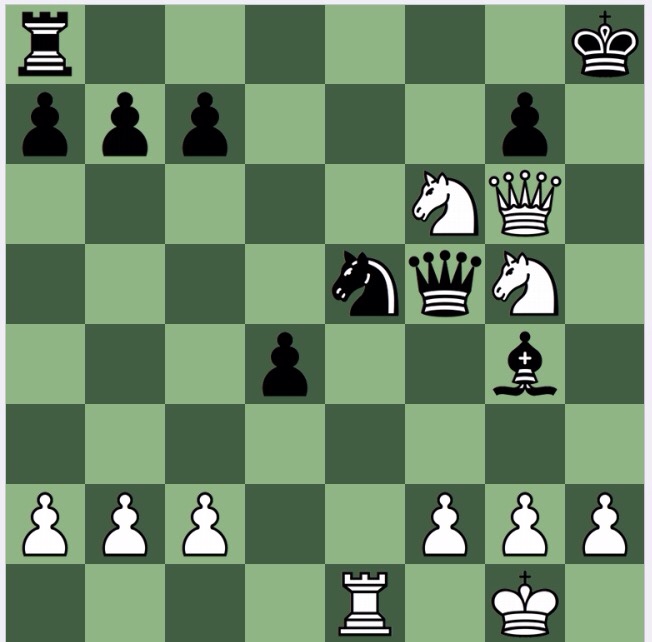
Prosaic is 2 Qf5 Bf5[] 3 Re5 gf[] 4 Rf5 fg[] 5 Rg5 and White wins easily, but White has far better, with the classy 2 Qe8+!! Re8[] 3 Nf7+! Nf7[] 4 Re8 mate.
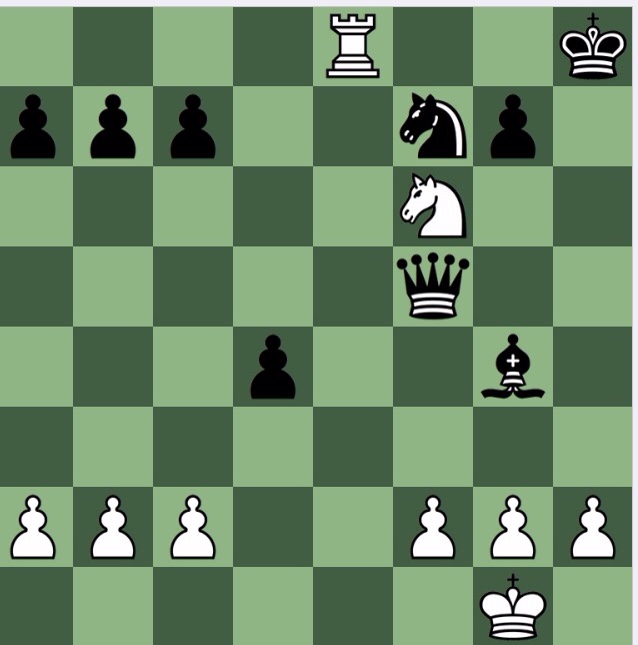
Full marks if you saw this line from the initial position.
 allanbeardsworth