This is an occasional series of postings inspired by a brief discussion on the flight home from Turkey this summer. The flight attendant saw I was reading a chess book (quelle surprise) and, just making polite small talk, said she also liked playing chess, saying that depending on whether other crew members played, she would play on stopovers. Later in the flight she asked me if I had a chess set at home…and that set me thinking. How many chess sets do I have? And since then number is, well, shall we say, quite high, I thought I would blog about them especially those which ‘mean something to me’.
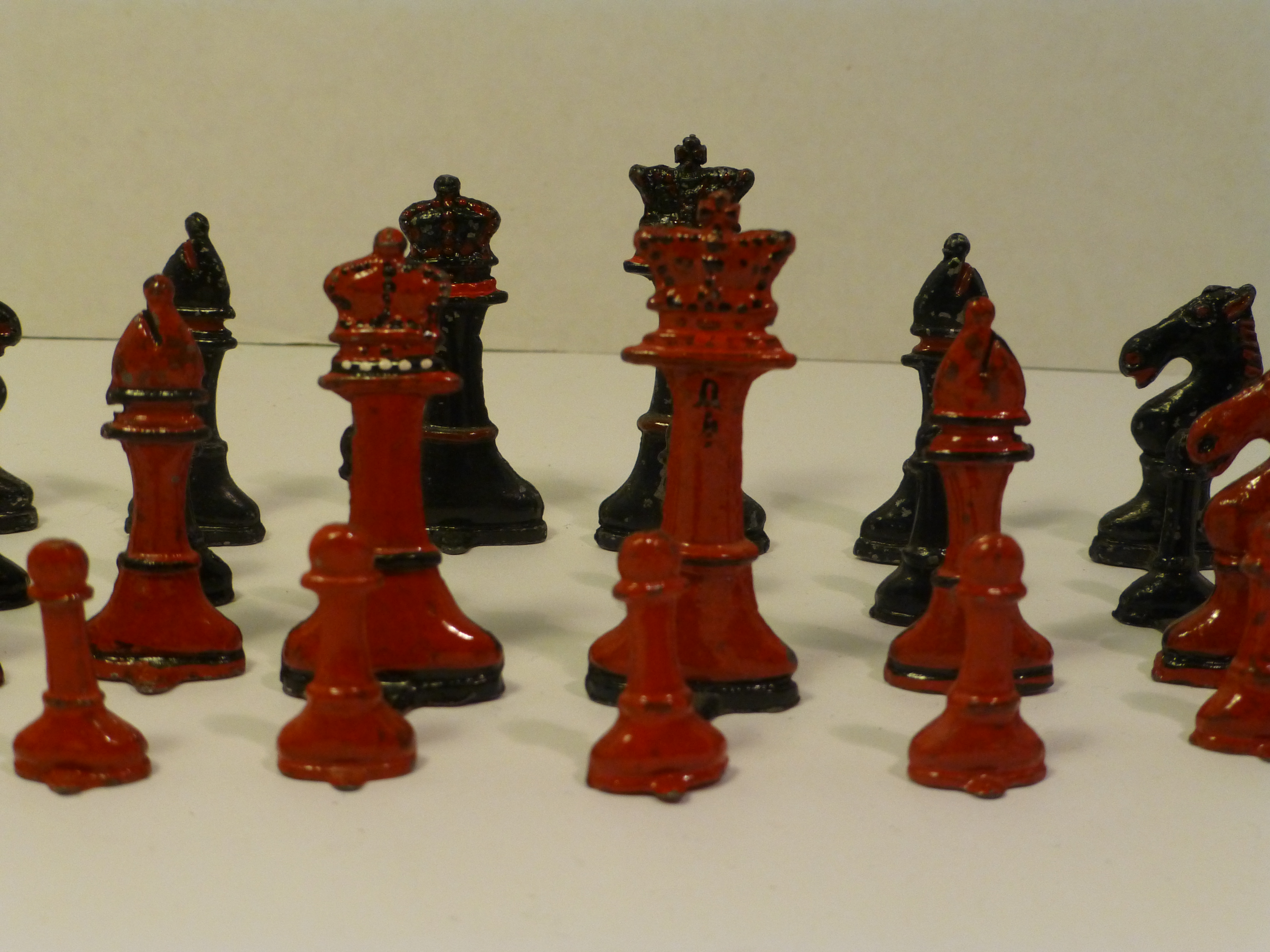
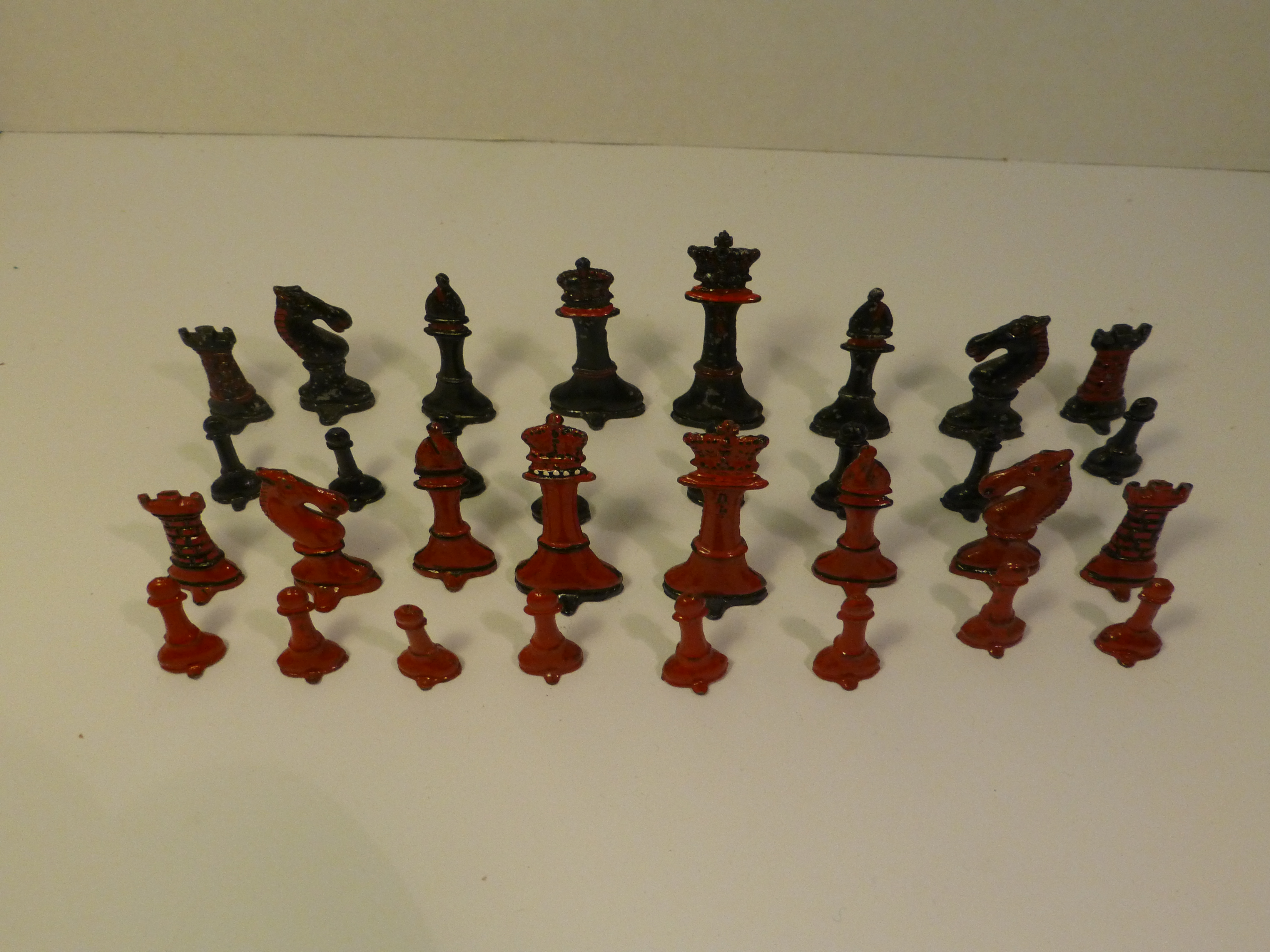
A friend gave me these pieces, together with several other sets. Heavy, lead like, tall and thin, flat. I assume they are made of tin, but don’t know much about them. There is no matching board, just the pieces.
Rating
2/10: they don’t mean anything to me; they are unusual, but that is all.
This is an occasional series of postings inspired by a brief discussion on the flight home from Turkey this summer. The flight attendant saw I was reading a chess book (quelle surprise) and, just making polite small talk, said she also liked playing chess, saying that depending on whether other crew members played, she would play on stopovers. Later in the flight she asked me if I had a chess set at home…and that set me thinking. How many chess sets do I have? And since then number is, well, shall we say, quite high, I thought I would blog about them especially those which ‘mean something to me’.
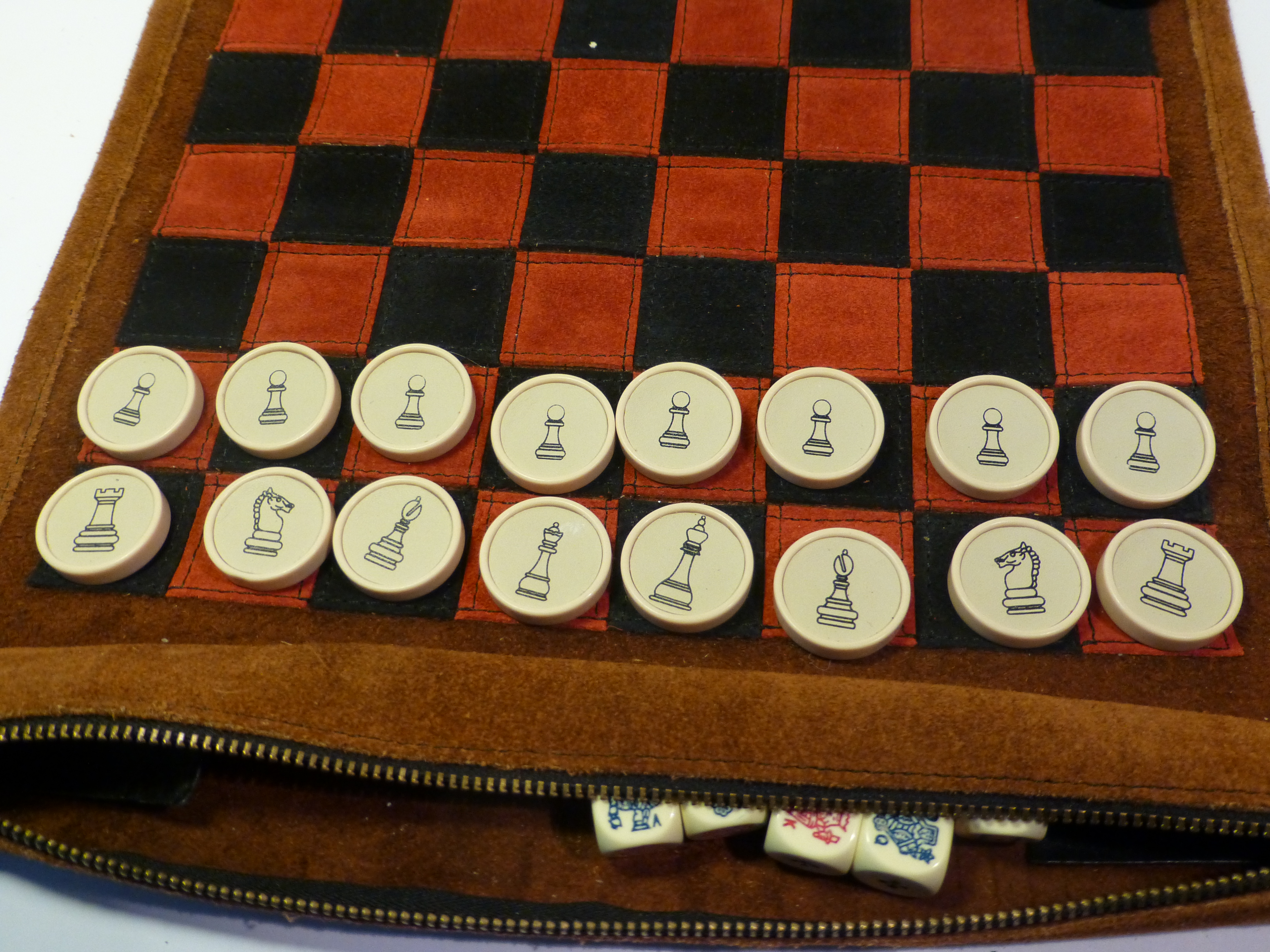
In 2008 we went on a long holiday travelling round South Africa, including, at the end, going on various safaris. We flew to the safari region, and in the departure lounge was this travelling set (and a similar backgammon set). They roll up neatly, and are great for travel. It tends to be first on my list for taking with me on holiday.
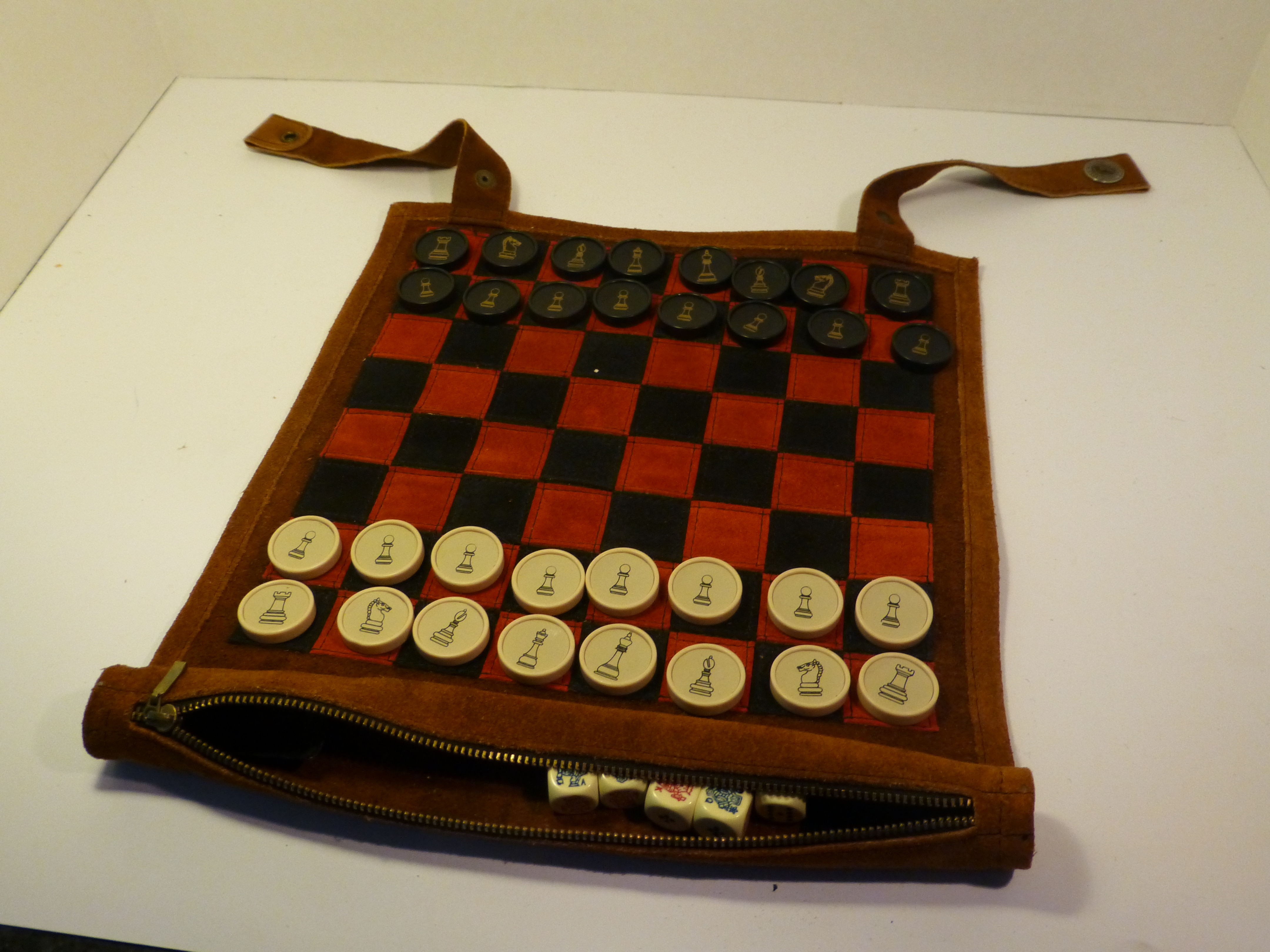
It is easy to use: the pieces move around quickly, no pegs to insert, or magnetism; and the discs are nice to hold.
Rating
10/10: one of my favourite sets
Black to play and win
White played 1 Nb7 here:
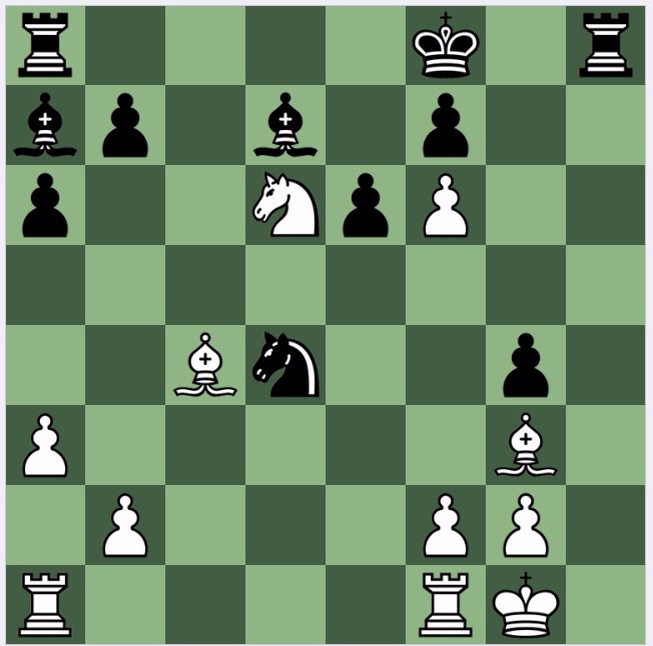
Honfi v Tatai, Reggio Emilia 1962-63
Solution
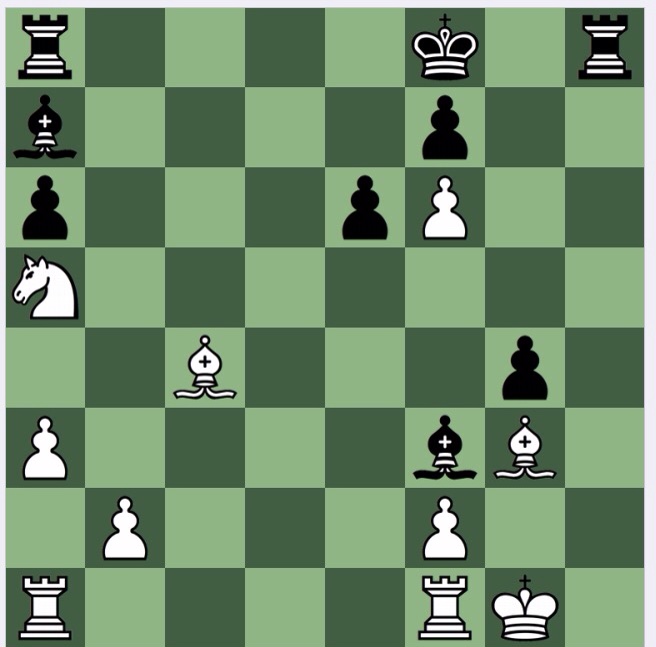
Not too hard, given the open h file and the fact that White's king is in a near net. 1…Bc6 (examine all biffs) wins the knight since if it moves, say 2 Na5, then 2….Nf3+ 3 gf[] Bf3 and mate by Rh1 follows.
 Posted with Blogsy
Black to play and win
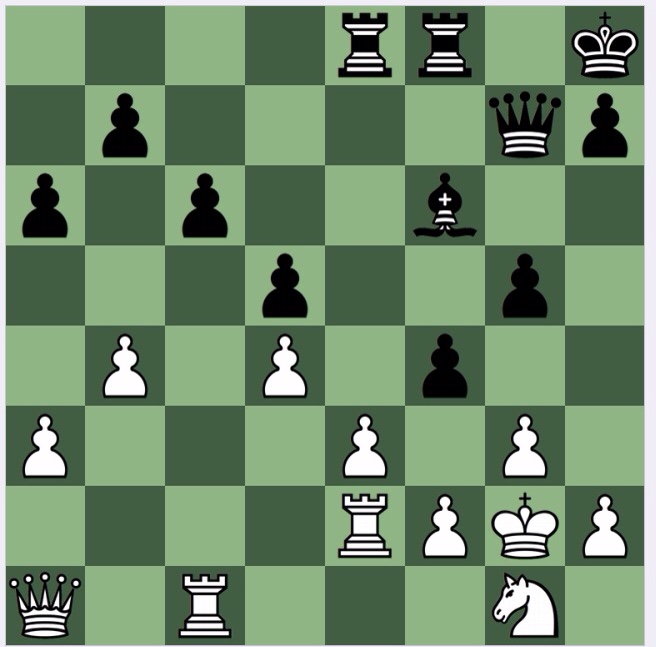
Langweg v Honfi, Reggio Emilia 1962-63
Solution
Straightforward for a CJS Purdy student. Examine all biffs means 1..Bd4! has to be looked at, and after 2 Qd4 (2 ed is similar) 2…Qd4 3 ed[] Re2 4 Ne2[]:
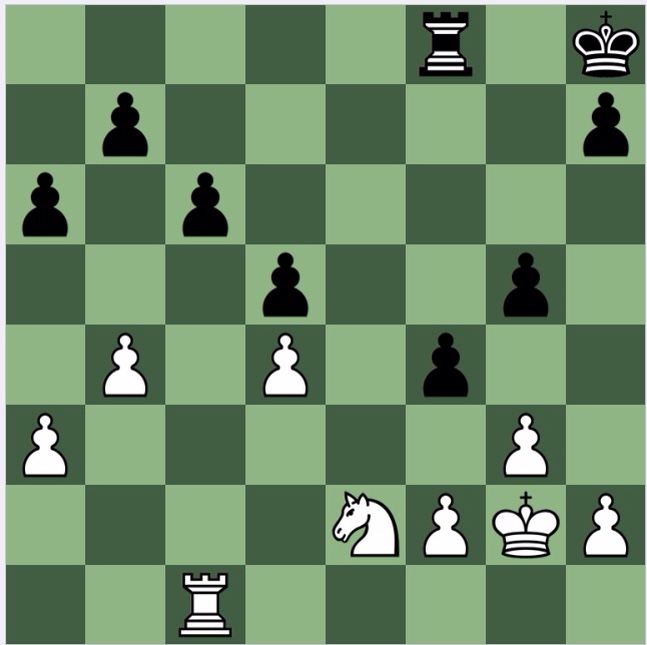
We reach a position where potassium cyanide is in point.
4….f3+ and the king and knight are forked.
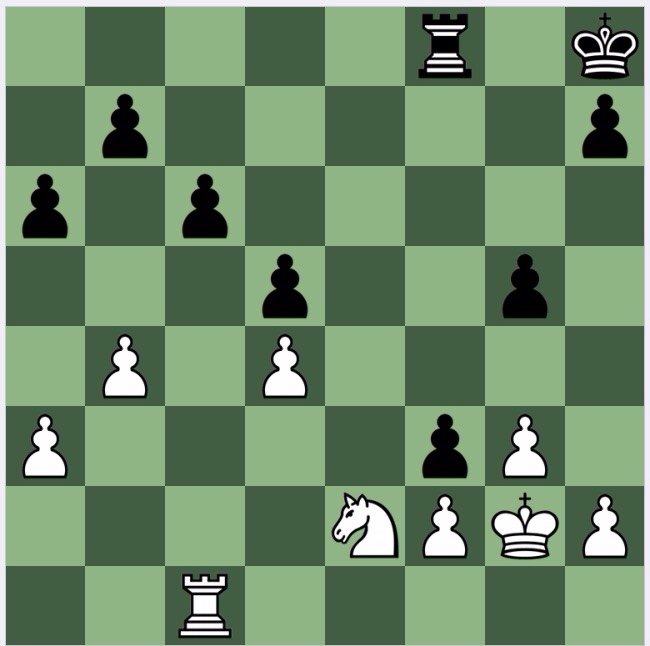
White to play and win
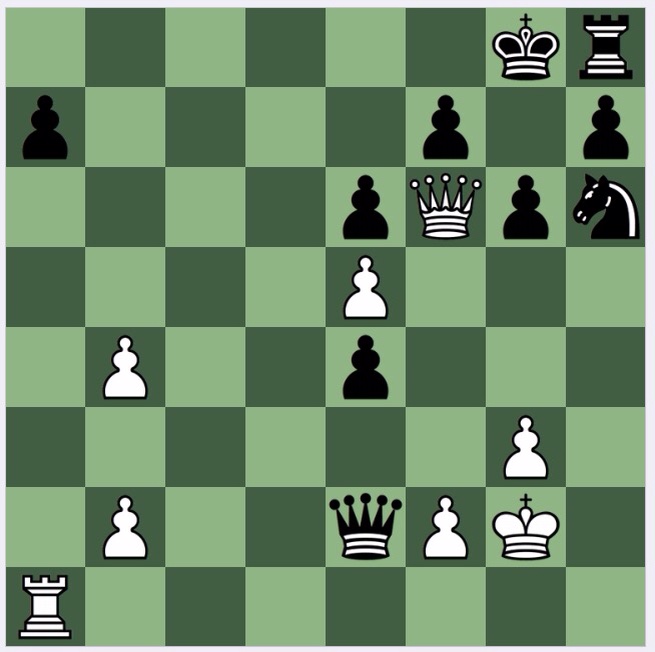
Ciocaltea v Pietzsch, Bad Liebenstein 1963
Solution
In the game, the position was agreed drawn here, move 43, no doubt on the presumption that white has to repeat with Qd8+/Qf6+, in view of Black's threat of Qf3+ Qf3 ef+ and, after freedom of his Rh8, Black will eventually win.
But the threat is not real. I suspect the optical illusion which White missed is that 1 Ra7 is the only way to get to the eighth rank, and that it is frustrated by Qf3+ and if Kg1 or Kf1, Qd1+, with Kh2 always been met by Ng4+ K moves Nf6 ef h5, and there is no mate.
But 1 Rc1! Qa6[] 2 Rd1! and white wins the queen, and the resultant position is won for him. Best technique is also to flick in the intermediary move 2 b5! Qb7[], so the b pawn is one square nearer to queening. If after 3 Rd1 e3+, simply 4 f3 renews the threat, keeps control, and keeps the N out of g4 to boot.
White to play and win
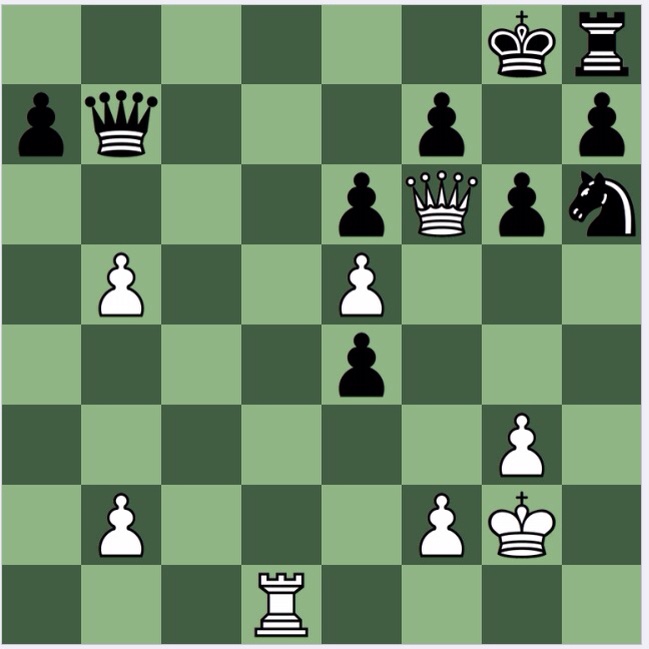
Shushov v Cairncross, corres, 1961-63
Solution
I failed with this one, despite giving it a lot of attention, including, eventually putting the pieces out on a board, not to move around, but to focus and concentrate.
Yes, I found a strong line, which Stockfish says is winning, +3. 1 Qe5 Rc1+ 2 Rc1 Qd6[] 3 Qd4 and Black is in near zugzwang, and the threat of Rc5 is impossible to meet well. In some lines, the Rook comes to rhe eighth rank. But whilst technically winning, not the solution.
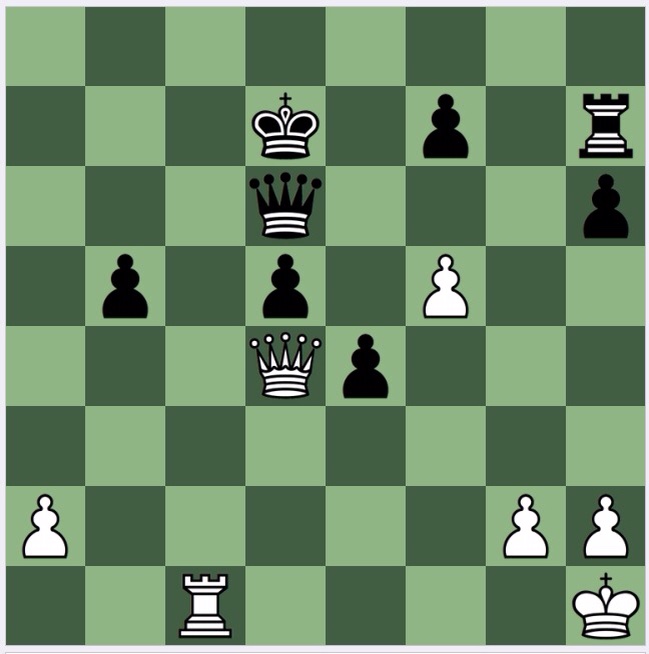
Nor is 1 Rc8 Kc8 2 Qe5! the solution, despite the engine saying too is winning after 2…Qc5 3 Qb2! The engine's main line soon reaches the position after 3 Qd4.
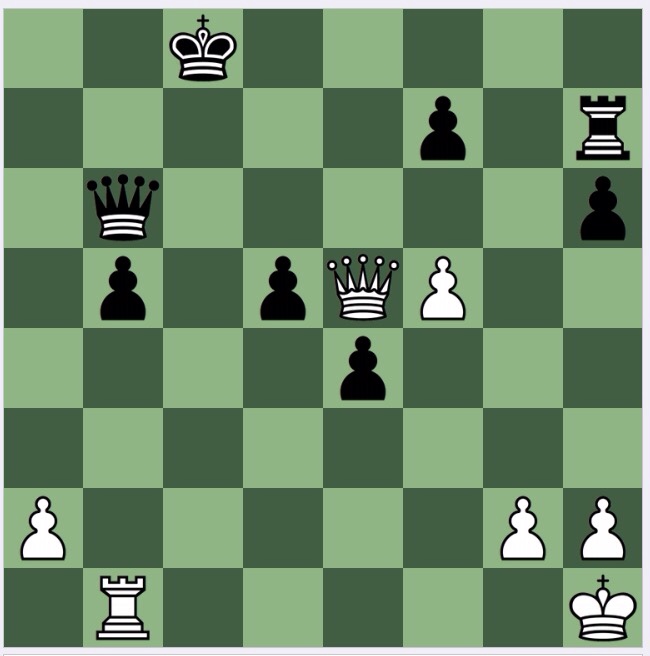
What I missed, and would never see, is 1 Rc8! Kc8[] 2 Qg3!! the point being that if now 2…Rh8 then 3 Qc3+ forks the king and rook. And otherwise 3 Qg8+ picks the rook up.
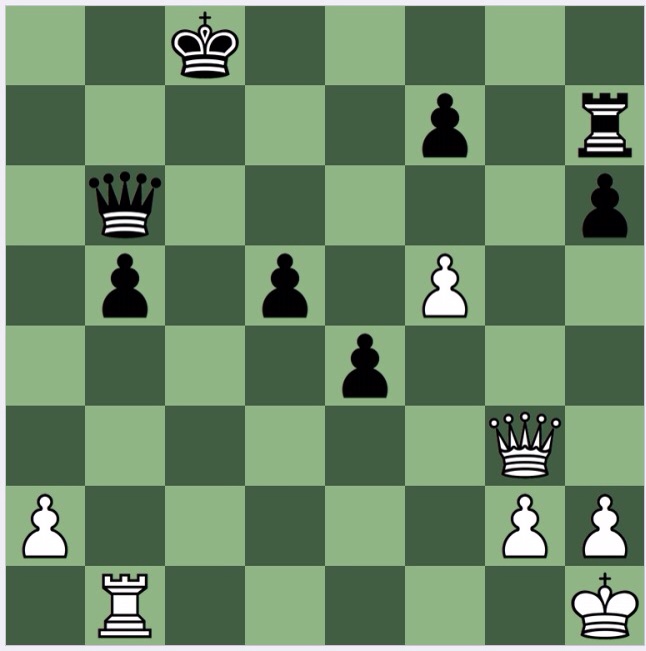
I would assess this position as very hard: I wonder how many readers solved it?
Black to play and win
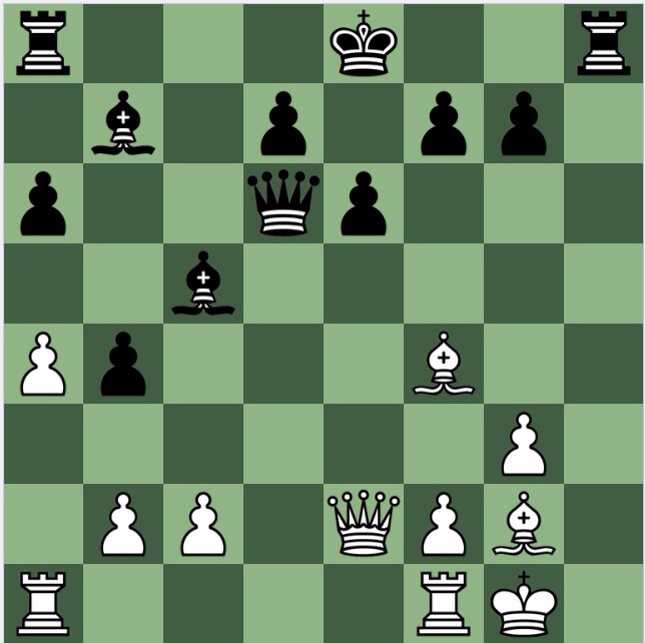
Gutop v Roshal, Moscow 1963
Solution
Not too hard today. The aim is immediately clear, somehow to mate on h1, and when the pinning effect of the Bc5 is seen, either 1…Qc6 or 1…Qd5 come to mind, winning.
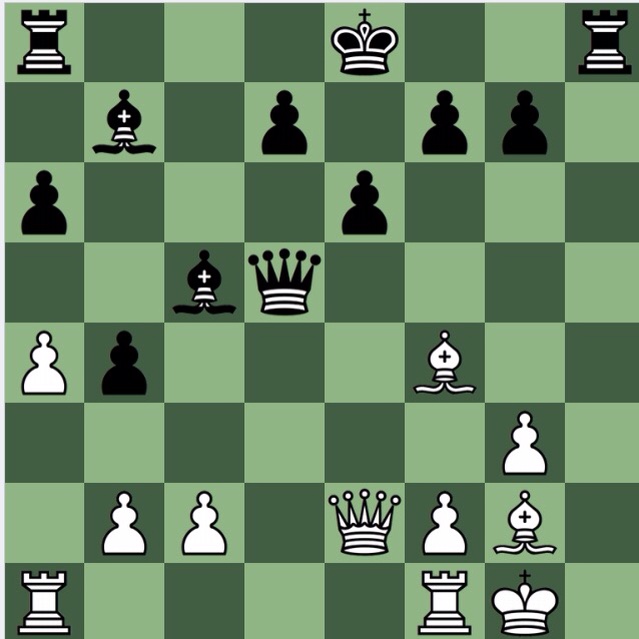
White to play and win
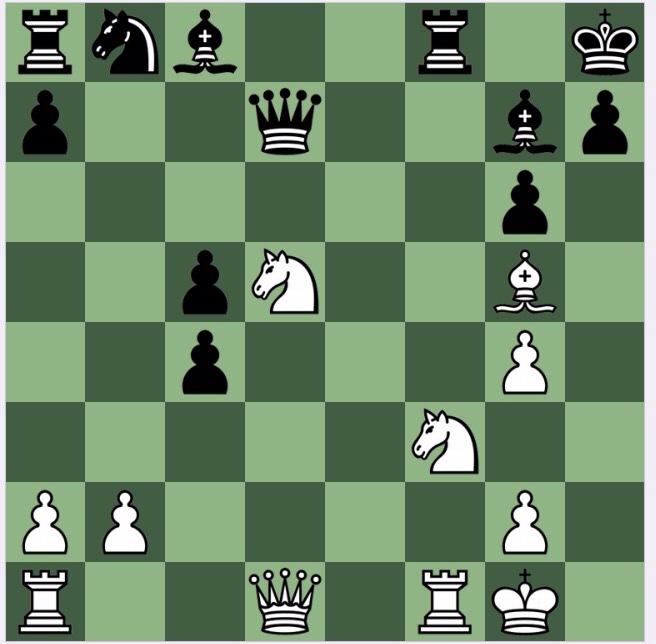
Sakharov c Nemet, 1963
Solution
Examine all biffs means you have to look at 1 Ne5! (which anyway jumps out as the move wanting to be played)
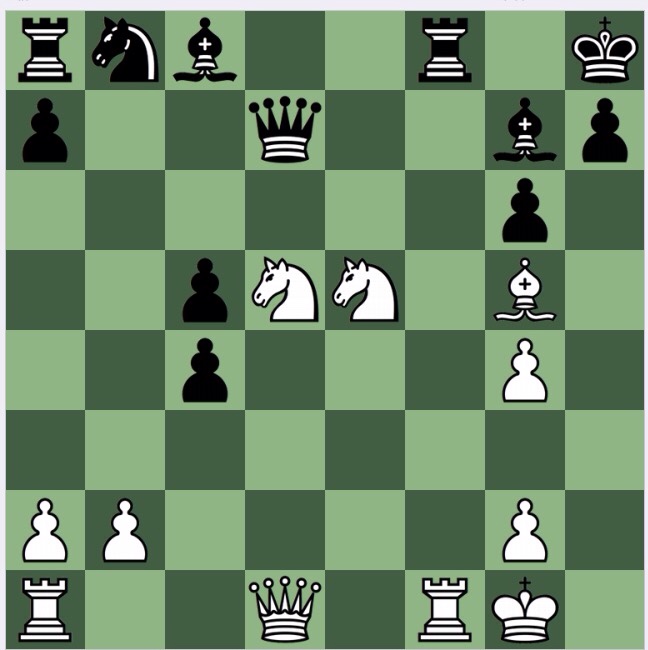
The position could be subject to realms of variations, since Black has various defences, but the most obvious ones are to consider if Black exchanges rooks, 1..Rf1, or if he doesn't, with say 1…Qe6.
Firstly, if 1…Rf1+ 2 Qf1 Qd5 3 Rd1, Black is dead: too many attacking forces, against the king, which is in a mating net (back rank mate threatened)
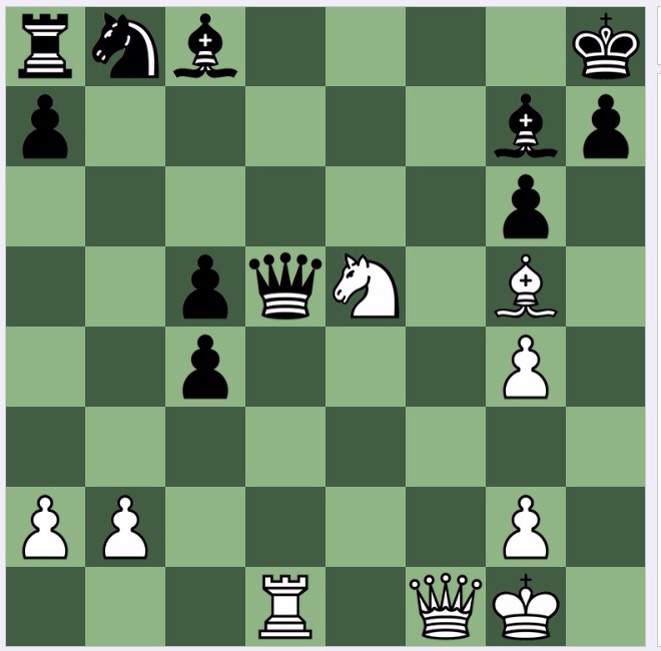
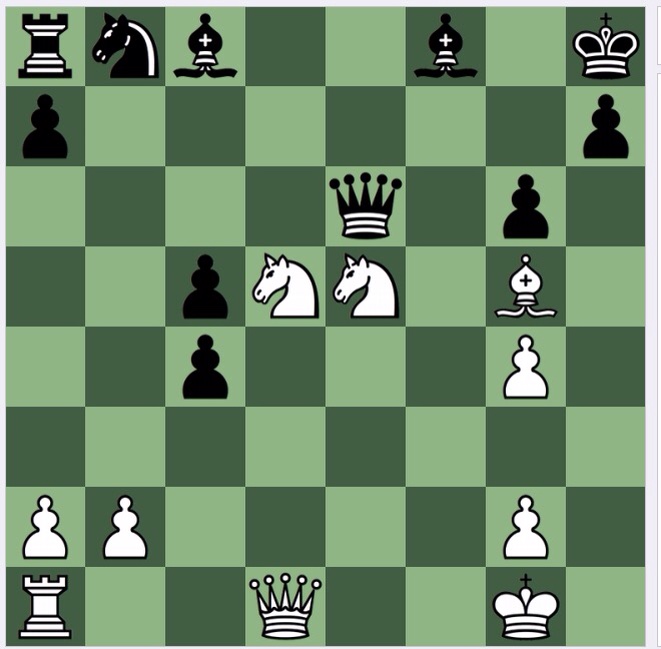
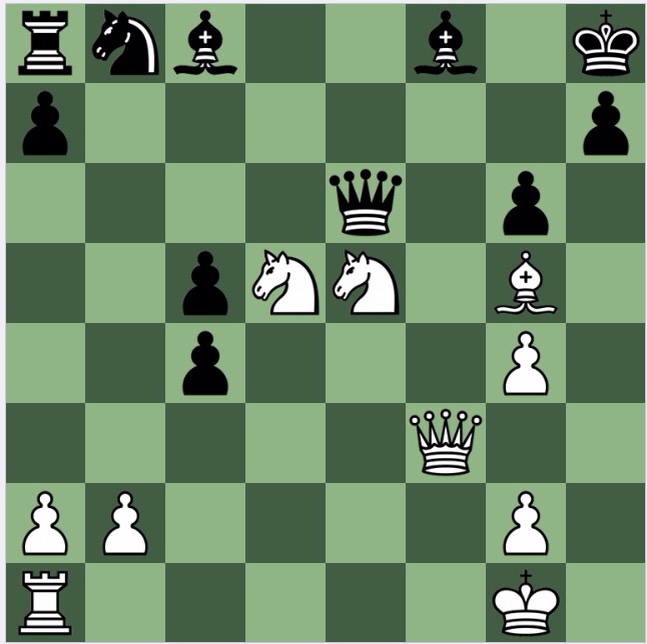
This is the sort of position where the advantage can easily be dissipated, but 3 Qf3! is horrendous for Black. Again, lots of lines which I shall leave for the reader to look for if he or she is interested.
Black to play and win
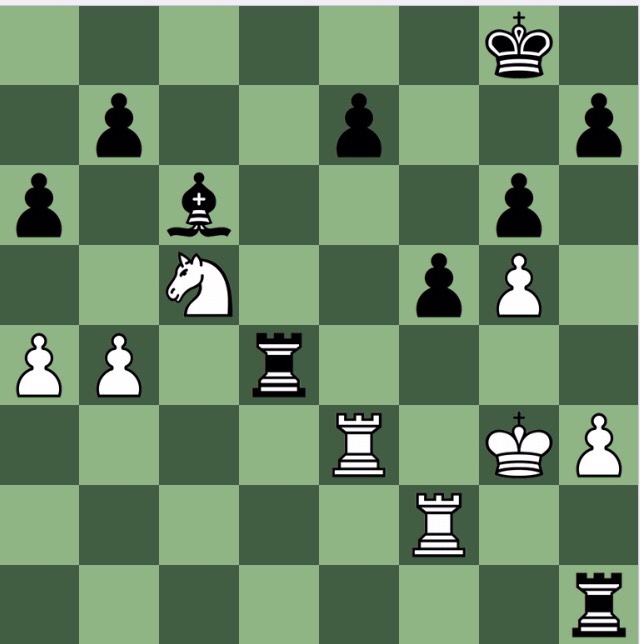
O'Kelly v Rodrigues, Wilderness 1962
Solution
Fairly easy: examine all biffs and Purdy's potassium cyanide motif lead to 1..f4+, after which it is not to hard to navigate. 2 Rf4[] Rg1+ 3 Kh2[] Rg2+ defends the R, and afterwards 4….Rdf4. White hasn't either got a stalemate trick or a bank rank mate or perpetual, so it is game over.
Black to play and win
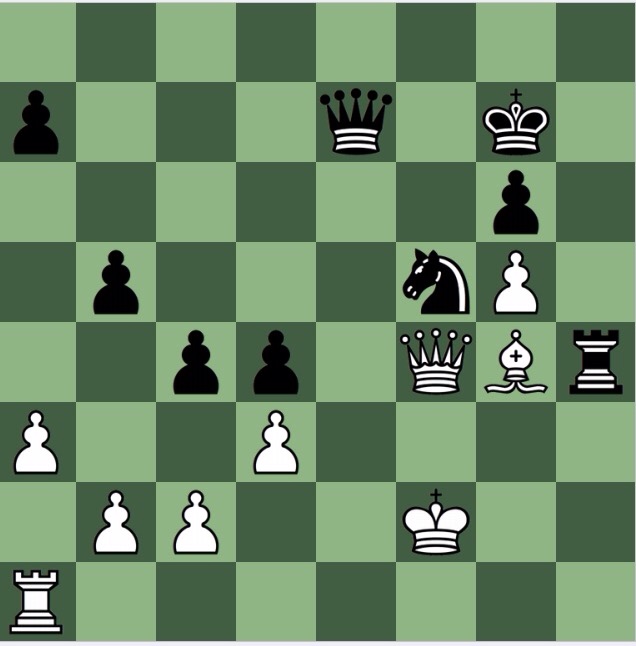
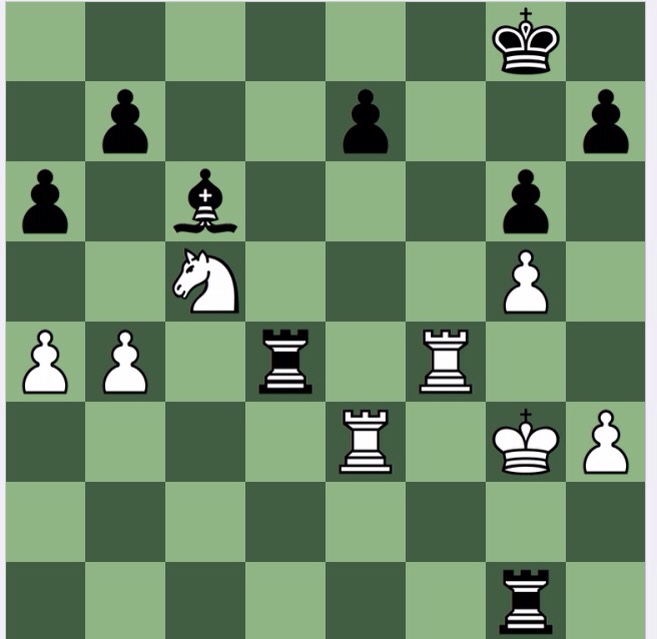
Brüntrup v Baumbuch, Berlin 1962
Solution
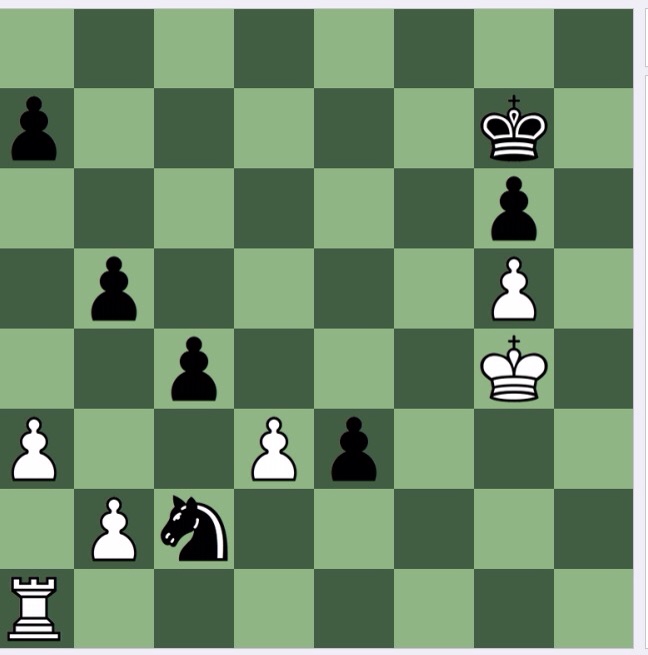
Examine all biffs, coupled with noting that the Qf4 is tied to defending the Bg4, leads to the natural try 1…Qe3+ when 2 Qe3[] de+ 3 Kf3[] is forced. But it is then not to hard too see the continuation 3…Nd4+ 4 Kg3 Rg4+! 5 Kg4[] Nc2 hitting the rook and also threatening to push the e-pawn; 0-1
 allanbeardsworth