White to play and win
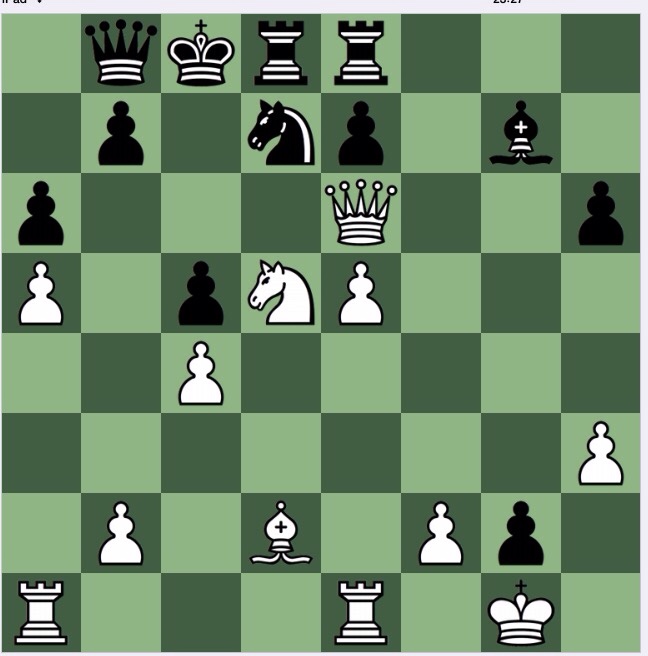
M Rubery v I Rabiner 1984
Solution
Probably most things win for white, such is the near zugzwang. But improving the pieces by 1 Bf4 makes a lot of sense. Black's Re8 can't move, else Ne7+ Kc7 Qd6 mate, so black can only make a pointless move, when 2 Rd1 threatens Nb6+ and Rd7+. So, 1-0.
Stockfish actually prefers 1 Bh6, which is very mercenary, but I can see why. If the bishops are exchanged, black is still is similarly trussed up.
 Posted with Blogsy
White to play and win
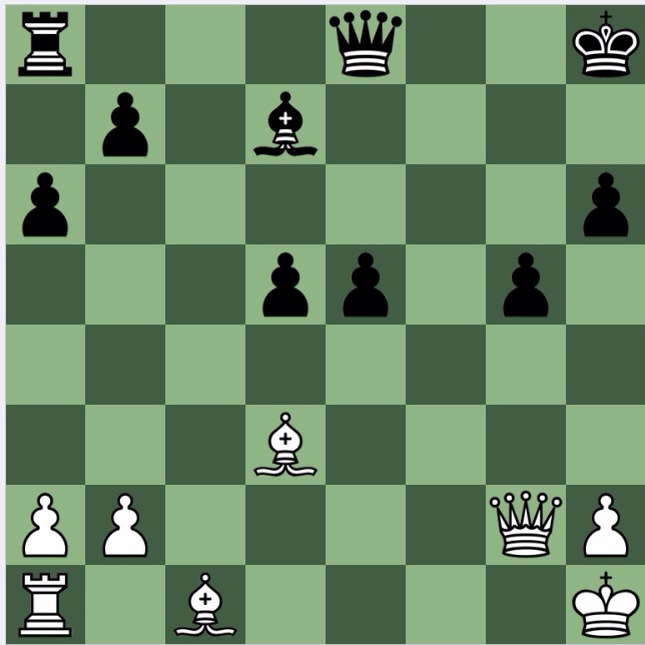
R Mills v JA Barlow 1996
Solution
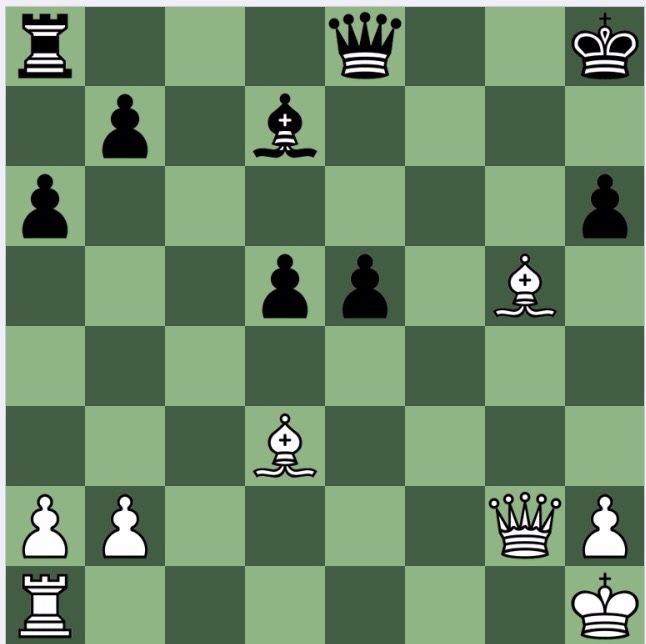
Examine all biffs means you have to try 1 Bg5!, which apart from breaking through, also develops two pieces- the bishop and the rook.
If 1…Qe6 2 Rf1 and white overwhelms.
White to play and win
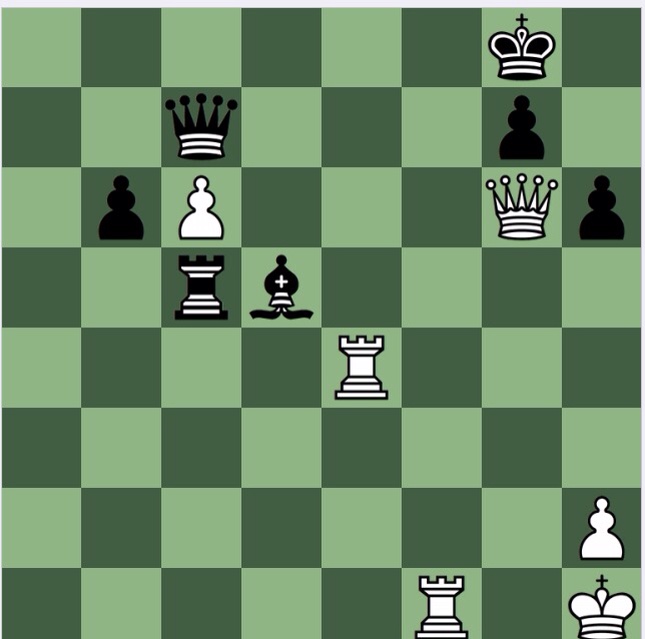
F Mentz v H Bouwer 1985
Solution
This one took me a few moments to solve, since at first I tried a complex line, 1 Qe8+ Kh7[] 2 Rf8, and tries to make it work, before, seeing it was too hard, and then reversing the moves and seeing that 1 Rf8+! wins immediately: 1…Kf8[] 2 Re8 mate.
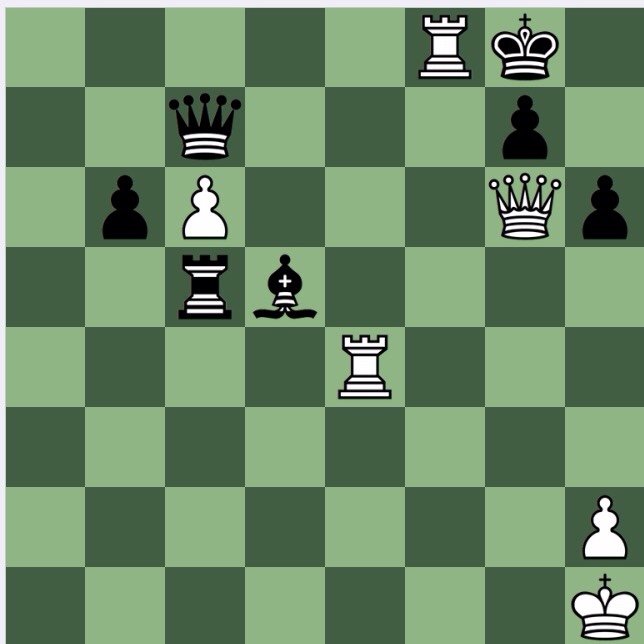
White played 1 Ra6, threatening 2 Rf6: what was the result?
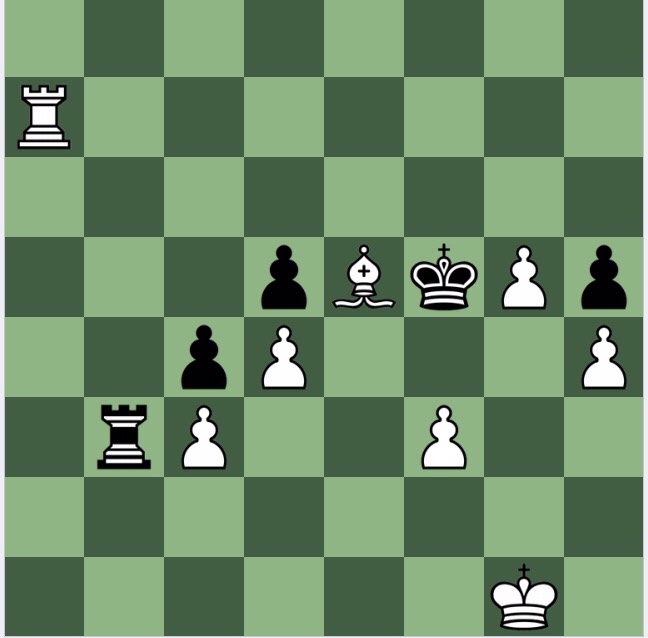
M O'Sullivan v E Kromhout 1981
Solution
An easy one today: 1…Ra1+ and the rook can check and check, since black's king will be stalemated, if the rook is captured.
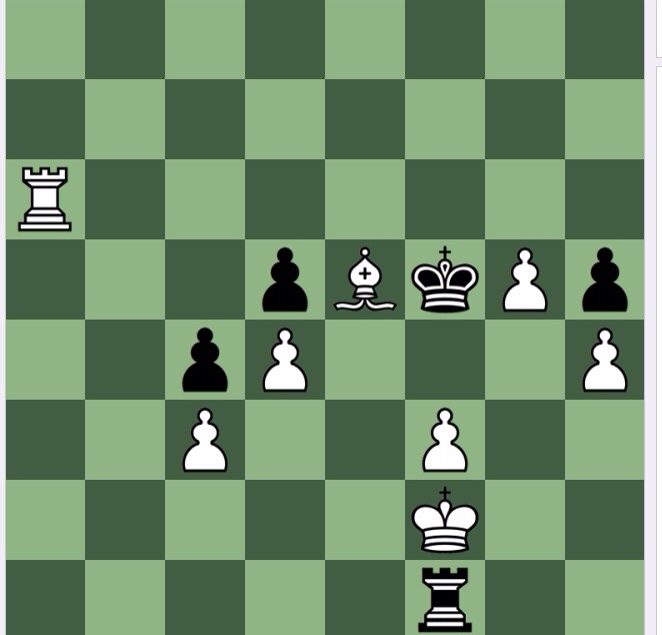
White to play: what result?
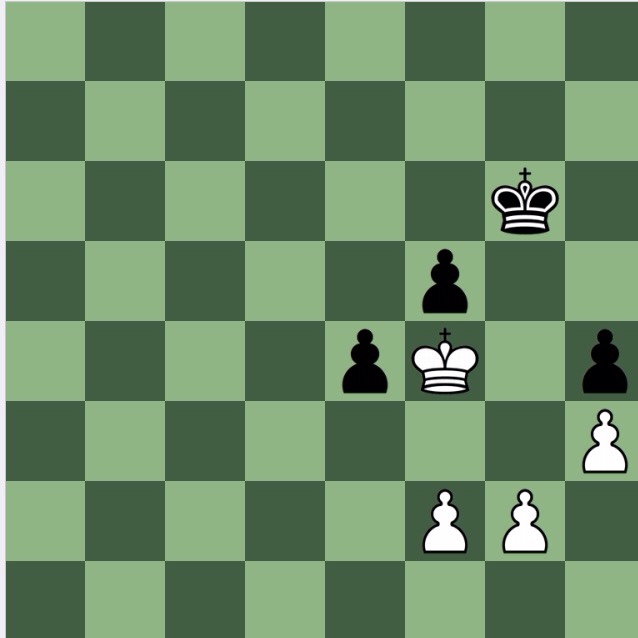
G Searll v T Keuvelaer 1984
Solution
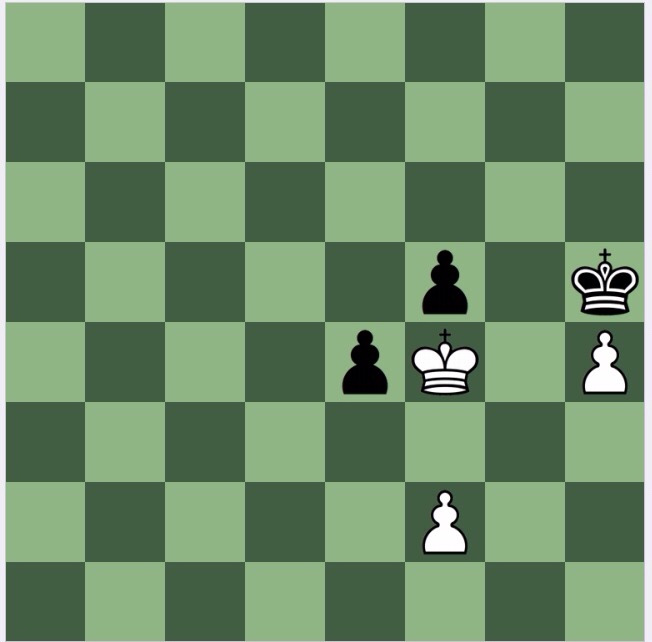
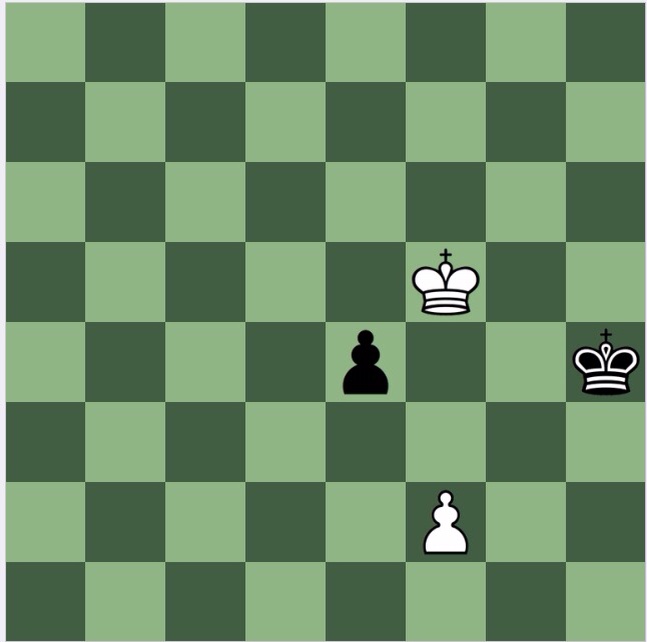
I changed the rubric from white to play and win to 'what result?' to make the task harder. I found it hard enough anyway, and in a game, would merely 'hope' that 1 g3! or 1 g4! won (as they do), finding pawn endings hard to calculate. This one is though do-able…there is a forced line, shown below.
1 g3 (I prefer this move to the equivalent 1 g4 – why give yourself the task of calculating two lines, when one will do?) 1…hg 2 Kg3 Kh5 4 h4+ Kh5 5 Kf4
White to play and win
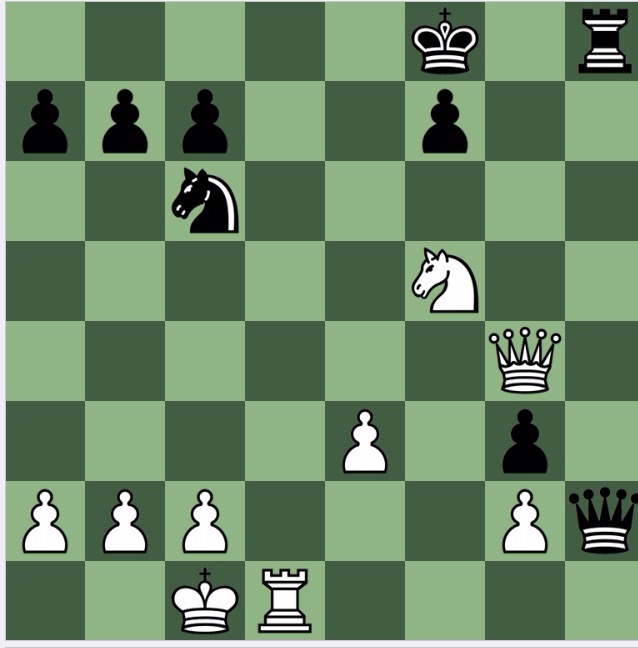
CB Russell v JHC Burton, correspondence 1909
Solution
I fluffed this one, just couldn't see the solution. What is worse, six years ago, when I got the book, and dipped into it, this was one of the puzzles I also couldn't solve.
Alas, once you see it, 1 Qg5! 'isn't too hard'.
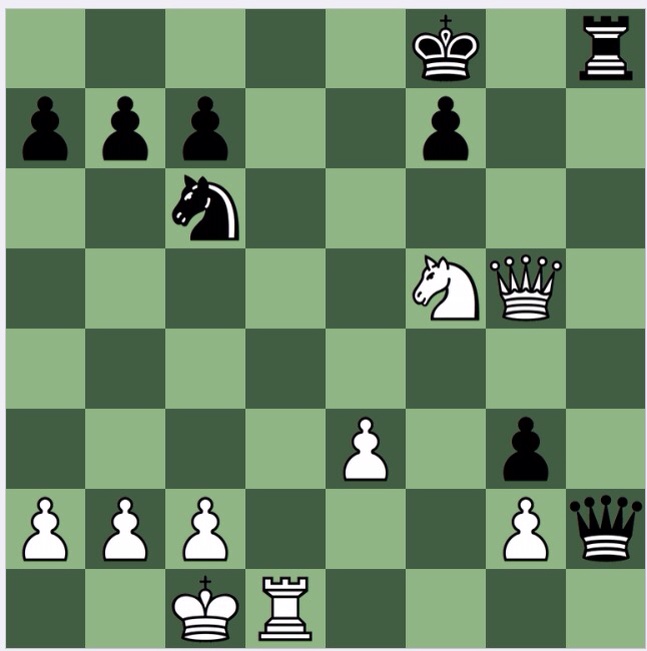
1…Ke8 (say) 2 Rd8+! and 3 Qe7 mate.
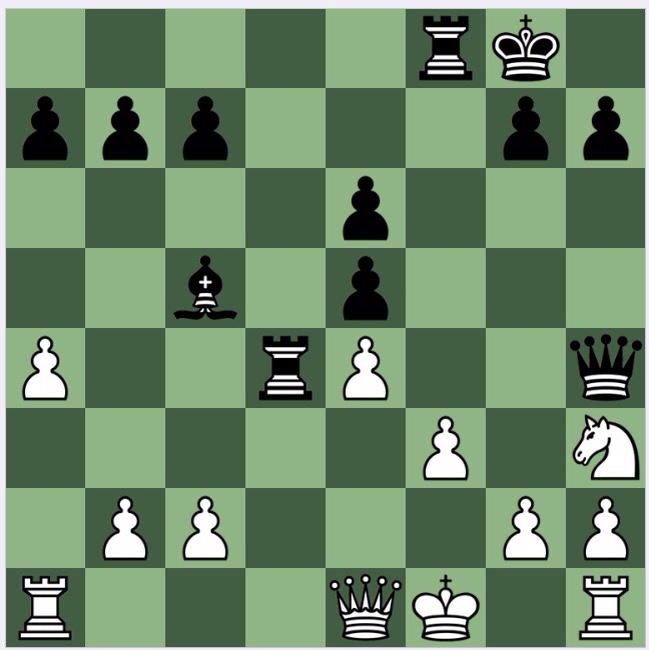
Black to play and win
HE Price v M Powiecki 1972
Solution
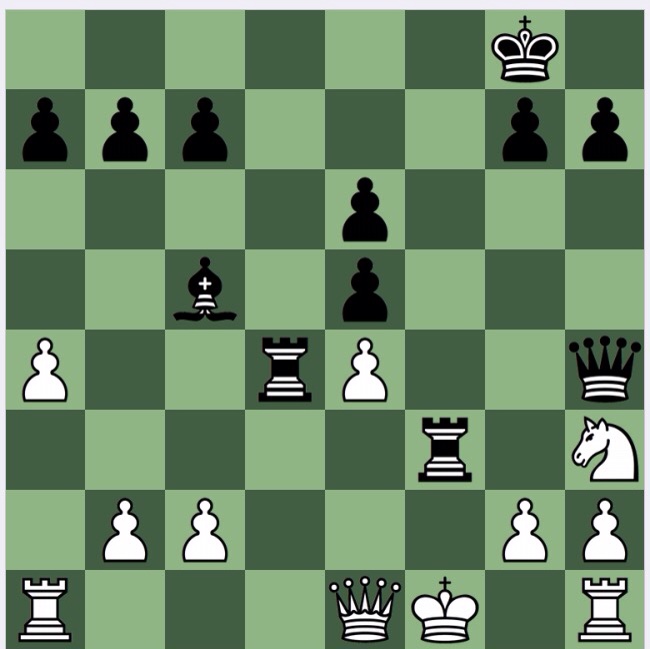
Examine all biffs quickly leads to 1…Rf3+ when carnage ensues.
If white doesn't take on f3, playing say 2 Ke2, then 2…Qe4 mate; or 2 Kg1, 2….Rd1 mate. So 2 gf is forced, when 2…Qh3+ 3 Ke2 Qg2+ 4 Qf2[] Rd2+ is 0-1
White to play and win
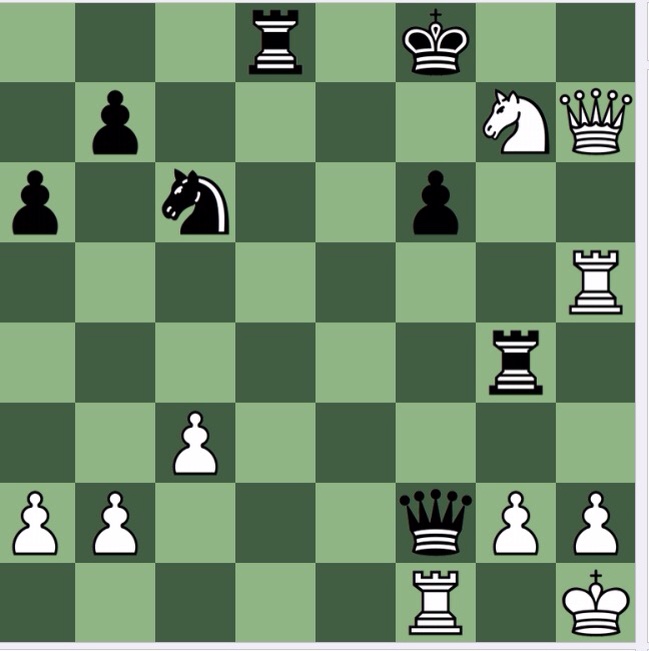
AA Ponelis v J Glyn 1976
Solution
Not hard today, because the desperate straits white is in, with back rank mate threatened (and 1 Rg1 is met by 1…Qg2+! 2 Rg2[] Rd1+ mating) means white must 'keep checking', which is a desperate times version of examine all biffs.
The win then is fairly straightforward: 1 Ne6+ Ke8[] 2 Qh8+ and 3 Qd8+, and then taking on f2.
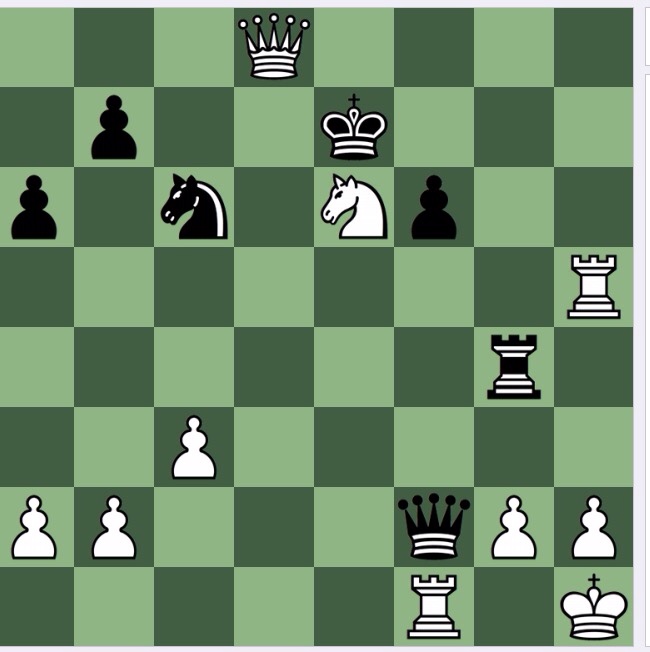
That was the game continuation, and is 'obvious'. The engine, and to his credit, Reitstein (writing in the pre engine era) gives 2 Nc7+ as 'even stronger' in the sense of +8 compared with +5. It doesn't mate, and having looked at why the machine prefers Nc7+, I still prefer the human simplifying approach of quickly snaffling the Rd8.
White to play and win
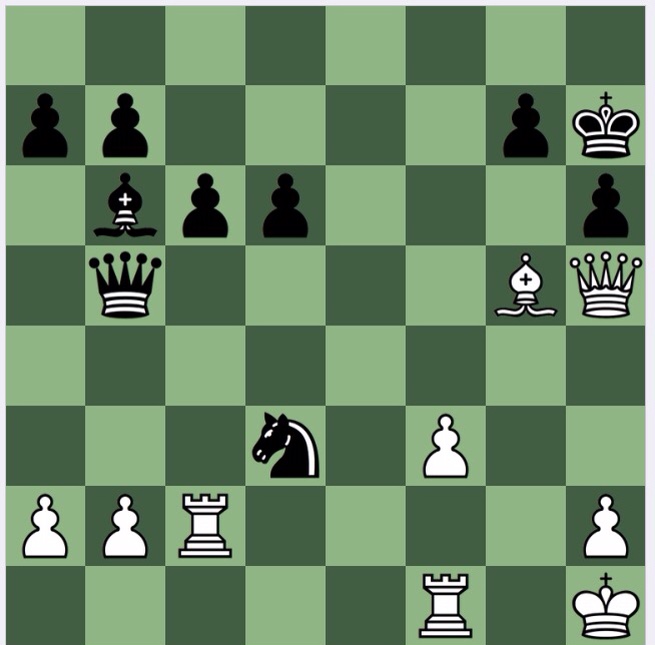
Two questions today:
1) white actually played 1 Rg2: with what response?
2) what else should he have done?
The answer to one of these questions is easy, the other hard.
N Van der Nat v S Bhawoodien 1998
Solution
This is one of those types of positions which is far easier to solve in the comfort of your own home, absent the pressure of a ticking clock, than at the board. I can well imagine any white player buckling under the tactics, as happened in the game.
The answer to my first question is easy: 1…Nf4! biffs the Q, but also biffs the LPDO Rf1. The other important point is that if 2 Bf4 then 2….Qf1+ can't be met (but it is white's only move) by 3 Rg1 because the Bb6 looks at g1, so that 3…Qg1 is mate. So 1 Rg2 is ??
When I looked at the book six years ago, after I acquired it, I looked at puzzles at random, just ones which took my fancy, and this was one of them. I marked the puzzle with a question mark, and made a note to wonder if 1 a4 won, rather than the ’solution', 1 f4. Six years ago I didn't check things with engines. It turns out that 1 a4 does win, or at least does no harm. 1f4, 1 Qg4, also win. Happily, this time round, I chose the engine's first choice, 1 Qh4! which has the advantage of looking both at e4, centralising the queen and pressurising the Nd3, and f2. All white must avoid is 1 Rg2 and 1 h4 (which is also met by 1…Nf4).
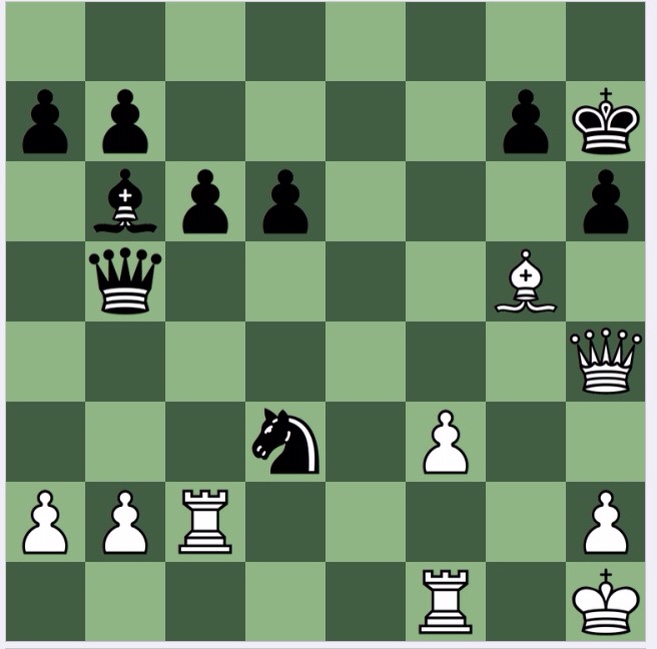
Black to play and win
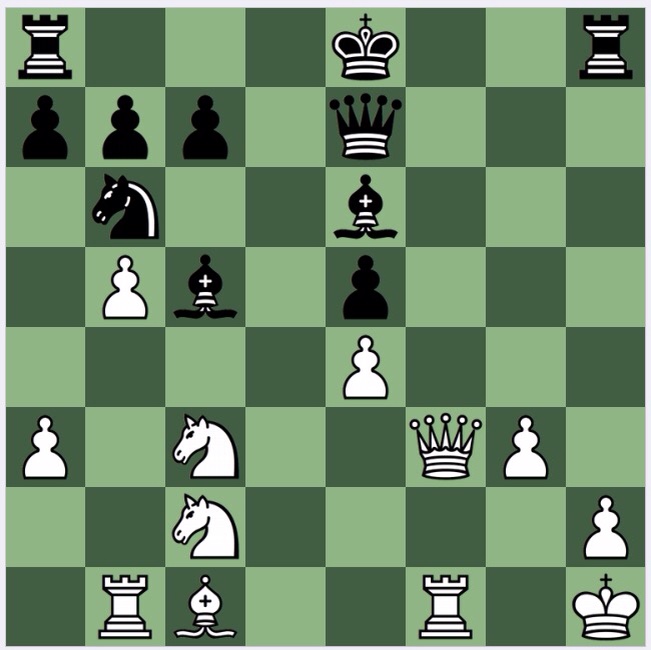
BF Pick v DO Van den Heever 2005
Solution
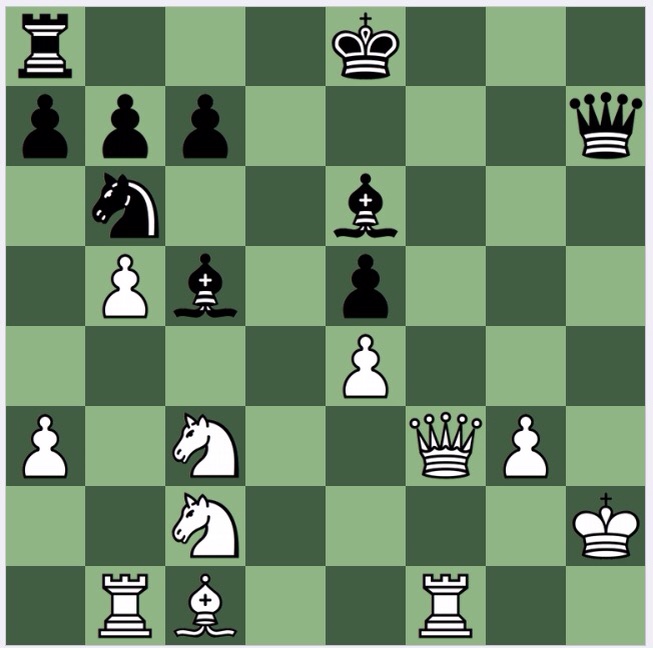
A quick one today: 1…Rh2+ has to be tried, and after 2 Kh2[], I first wasted a bit of time looking at 0-0-0 before seeing the easy win, 2…Qh7+ and mate on h3 unless white throws his queen away.
 allanbeardsworth