Black to play and win
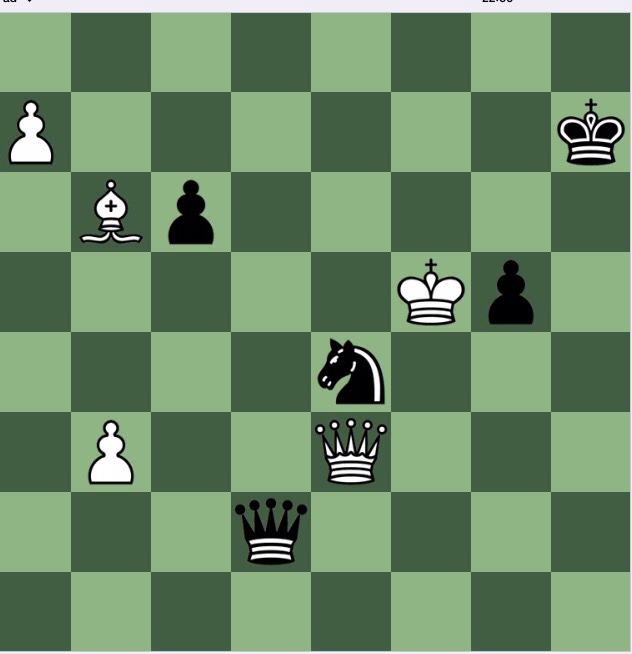
Trapl v Forintos, Overhausen 1961
Solution
Not too hard today, especially given that it is a puzzle, and, for me, because the rubric in the book said that Black played 1…Qd5+ and eventually lost. So 1…Qd5+ is ruled out, so that in examining all biffs 1…Qd7+ is a natural try.
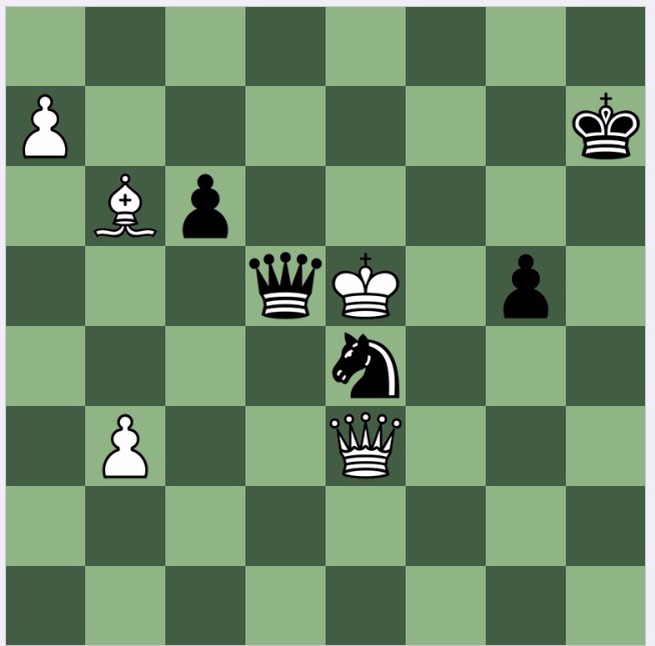
Then if 2 Ke4, 2…Qd5+ is mate in mid-board; and the same if 2 Ke5 (2…Qd5mate).
I have a soft spot for the Hungarian GM Gyozo Forintos, since he was the first GM that I beat, albeit in Rapidplay. I was white, and if I recall correctly (it was in the late 1970s) he had played in the then Benedictine tournament in NW England, and stayed on, I think the Rapidplay being in Knutsford. I remember the first two moves, with me being white: 1 e4 h5 2 d4 h4….so you can tell he didn't take it seriously, or, perhaps he did, because we had a tough complicated struggle. I also remember he was nice in defeat.
 Posted with Blogsy
White to play and win (If black doesn't defend well…the problem is cooked)
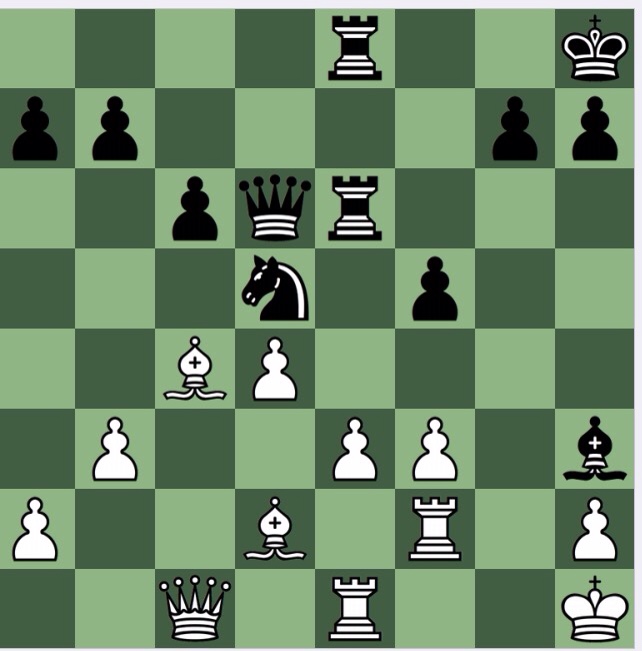
Try to find the purported winning line; and then try to find the refutation. It is a worthwhile exercise.
Kraus v Capelan, Solingen 1961
Solution
Take a quick glance at the position: which side would you take, of the two? I would take black, for his Marshall Attack like pressure, and thinking that white was hemmed in. But no, the puzzle is white to play and win, and more or less the only try is 1 e4!, but at first it didn't seem to work.
Eventually I saw the trick, but before then I saw black's better defence, eventually turning to the solution and being surprised: and then checking, it confirmed that the problem is cooked.
Simply 1…Qe7 keeps everything under control.
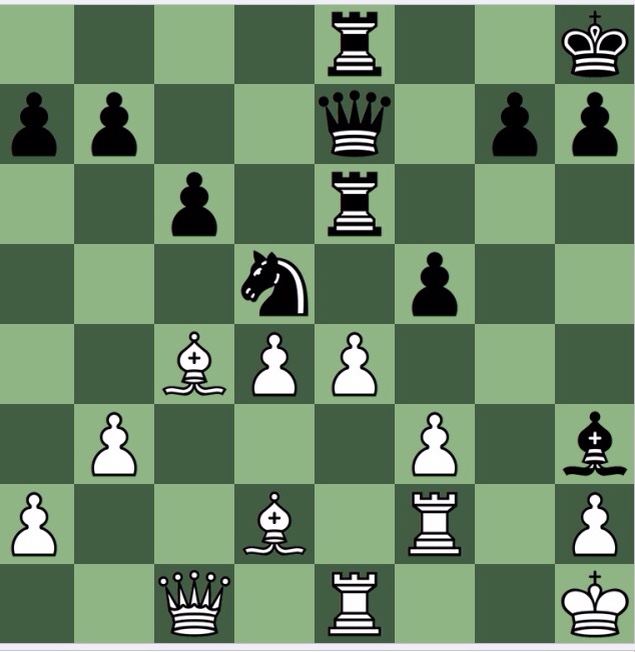
White's best is 2 Bg5! whose aim is not simply to biff the queen, but to prevent it moving to h4: 2 e5 Qh4 and the queen hits the LPDO Rf2 and black has activity. But after 2 Bg5! the queen must shuffle aside, say to d7, when 3 e5 gains space and dents black's pressure. Then, as Jon Speelman says, 'and the game goes on'.
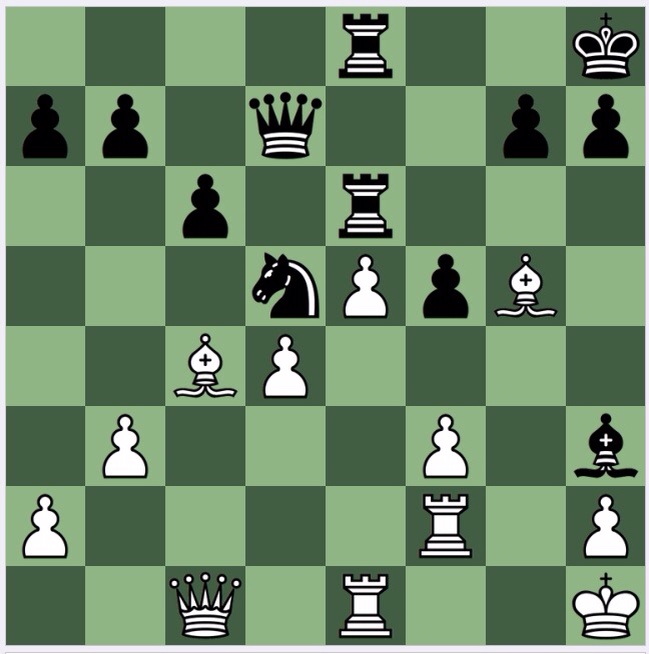
The above is the cook- white isn't winning, the game is equal, but even after the 'main line' 1 e4 fe?! 2 fe Black can improve. Here, 2…Rf8! is equal, for if 3 ed? Rf2 4 de?? Qh2 mate.
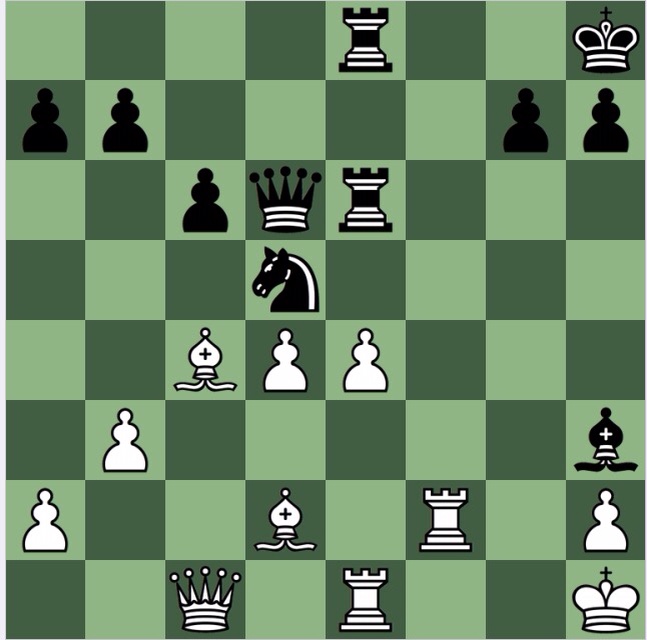
Below though is the purported winning line. 1 e4 fe 2 fe Re4 3 Re4 Re4 4 Bd5! cd (4….Qd5 5 Rf8 mate) 5 Qx7! with s standard back rate mate diversion of defender tactic.
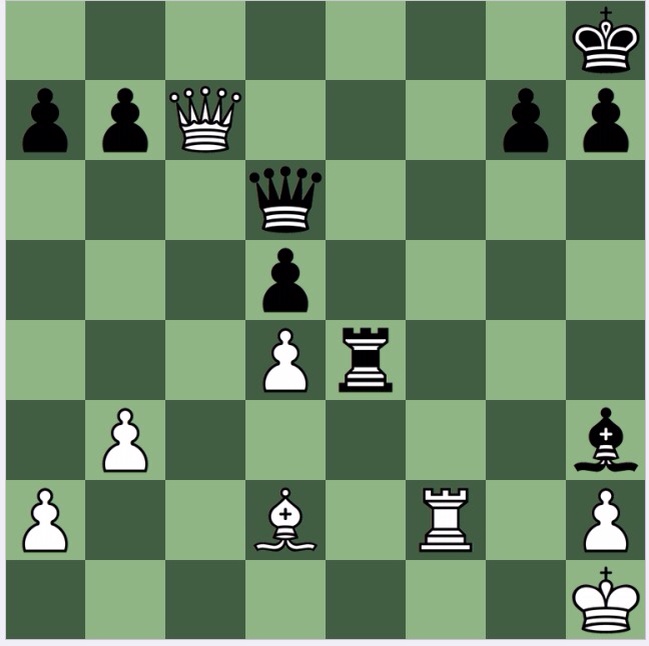
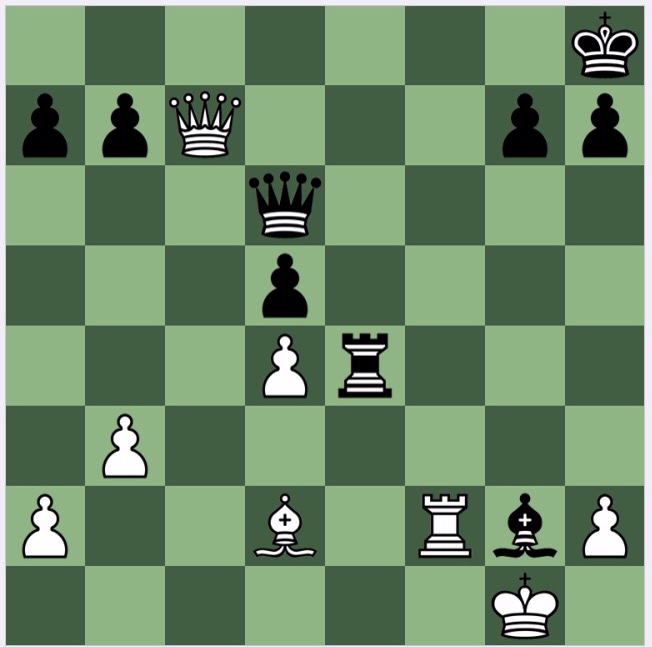
Black has one nice little try: 5… Bg2+, hoping for 6 Kg2 Qg6+, but even then white is still winning, but 6 Kg1 is more clinical.
Black to play and win
(A fantastic puzzle)
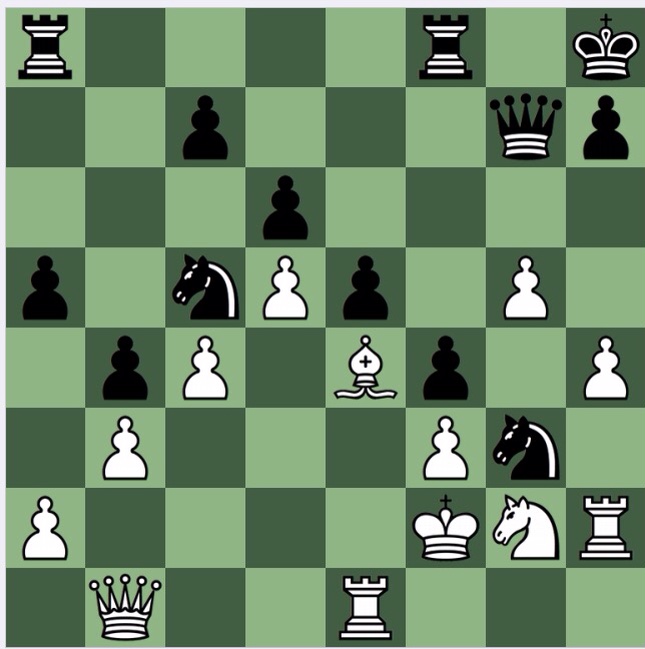
Morales v Dr Lehmann, Leipzig Olympiad 1960
Solution
I 'failed' with this one, eventually plumping for 1…h6 with the intention of an eventual breakthrough, perhaps combined with …a4. I also spent a lot of time on 1…Nce4 and 1…Nge4, preferring the former, but not finding a convincing breakthrough.
Having decided there was no more that I could do with the position, I checked the solution, to see if 1…h6 was the move, to be shocked to see that it was a move that I hadn't even considered. 1…c6!! was played in the game and after 2 dc, 2…Qa7!! is decisive. Joyful.
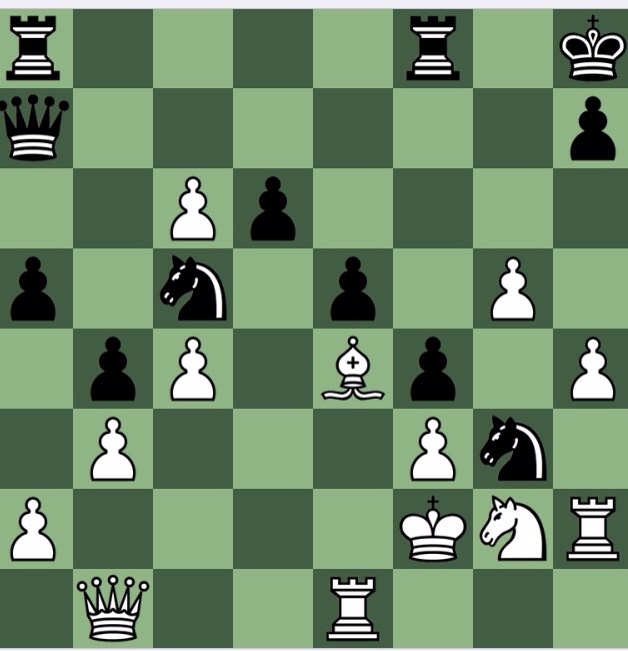
Of course, Stockfish finds the move instantaneously; quite kindly, it also says 1…a4 is just as good; that 1…Nce5 is almost as strong, and that 1…h6 is -2. But 1…c6 is spectacular, to my eyes.
CJS Purdy would have tut tutted at me. Examine all biffs might have made me at least contemplate 1…c6, and his concept of jumping, jump-biffs and jump-checks also could have led me to Qa7: though I suspect they are straining his concepts.
A most interesting problem.
White to play and win
Note: this is not a 'just find the first move' problem: need to look deeper
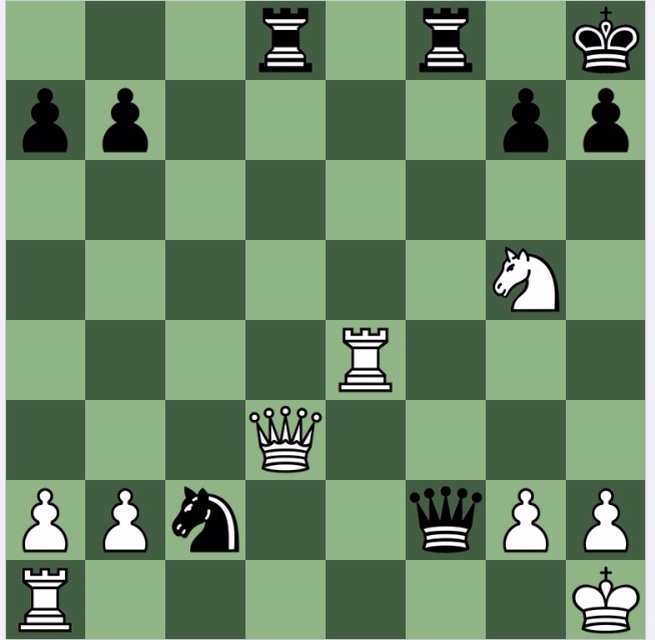
Travnicek v Janata, Prague 1961
Solution
My comment before the puzzle diagram was because I failed here: I assumed it was just a question of 1 Rd4! and it was game over, due to the double attack on d8 and h7.
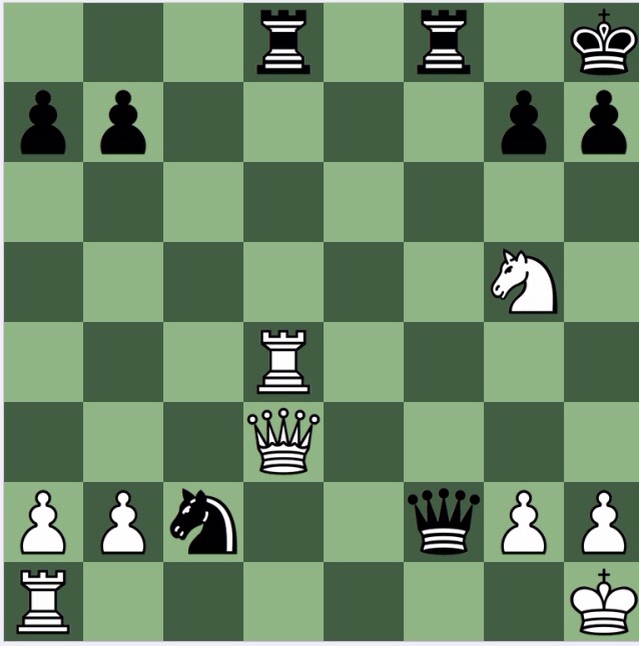
But no, Black can defend: 1…g6 2 Rd8 Na1, and since the Qf2 defends the Rf8, the win is not trivial.
In fact, white must first improve his queen, 3 Qa1+ Kg8[] 4 Qc4+! Kh8, the point of which is quite hidden: from c4 the queen looks at c8.
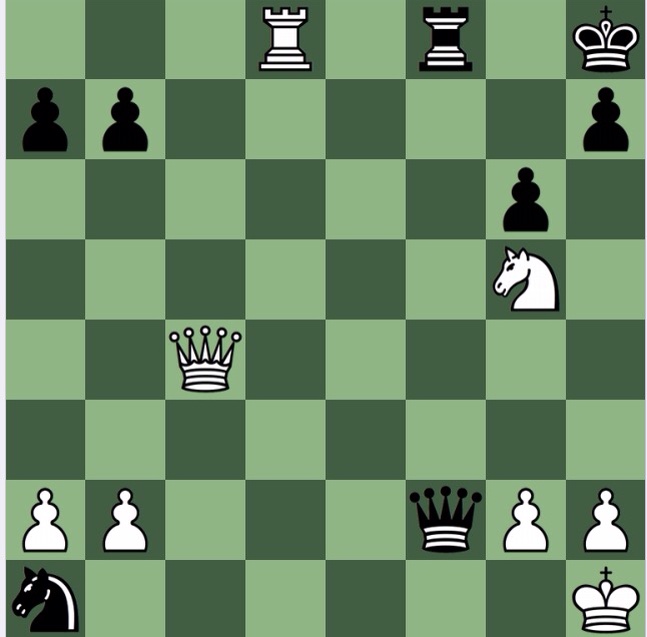
5 Rf8+ Qf8[] 6 Ne6!
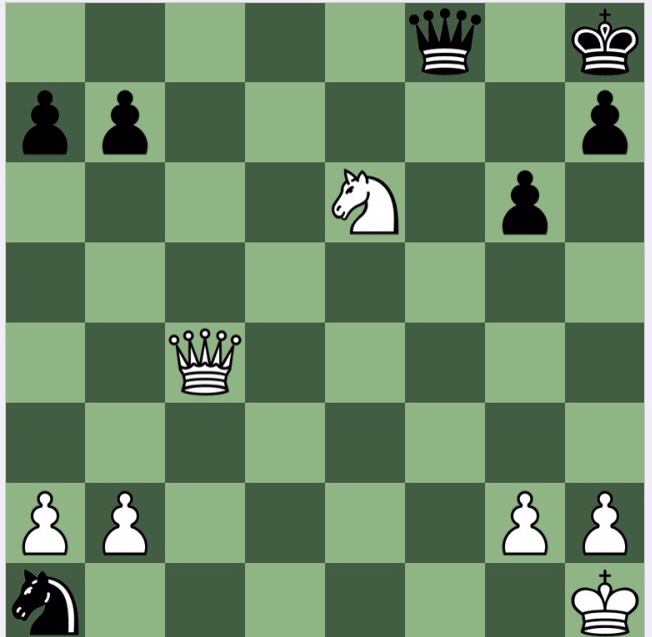
White to play and win
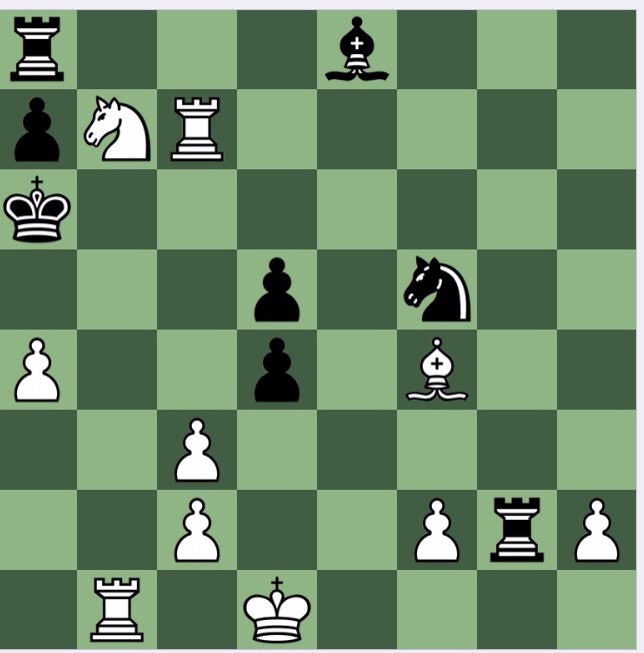
Ivkov v Portisch, Bled 1961
Solution
There must be a mate, but how? White's rook stands in the way of his Bf4 (after 1 Nc5+ Ka5[]) so 1 Rc6+! is a nice clearance sacrifice: 1…Bc6[] 2 Nc5+ Ka5[] 3 Bc7 mate.
Not too hard, since the line is forced, but pretty nevertheless.
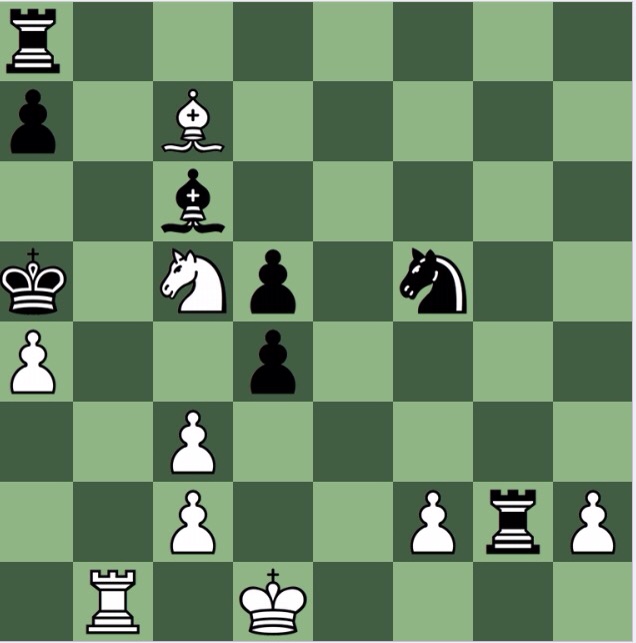
White to play and win
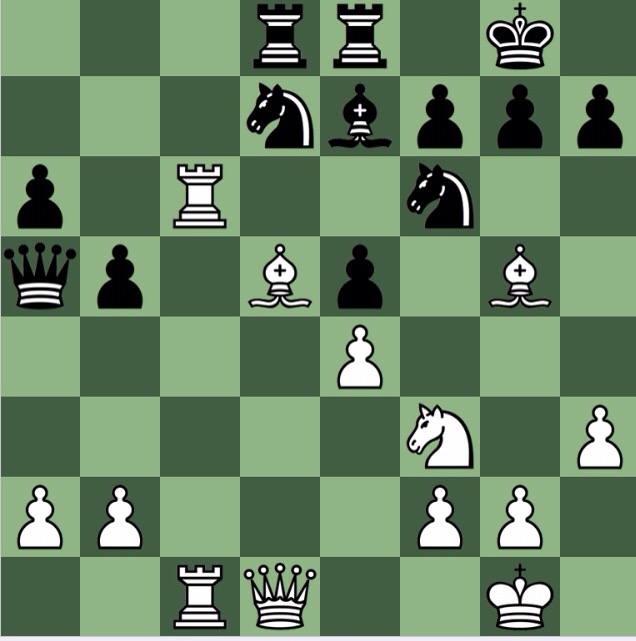
Tal v Unzicker, Stockholm 1960
Solution
Two motifs immediately spring to mind: something nasty happening on f7, perhaps coupled with Qb3+, and Black's queen is in a bit of a net. Combining these, 1 Bd2! is nice move to be able to find. If 1…b4 2 Bf7+ Kf7 3 Qb3+ Kf8 4 Ng5 1-0; or 3….Kg6 4 Nh4+ Kh5[]
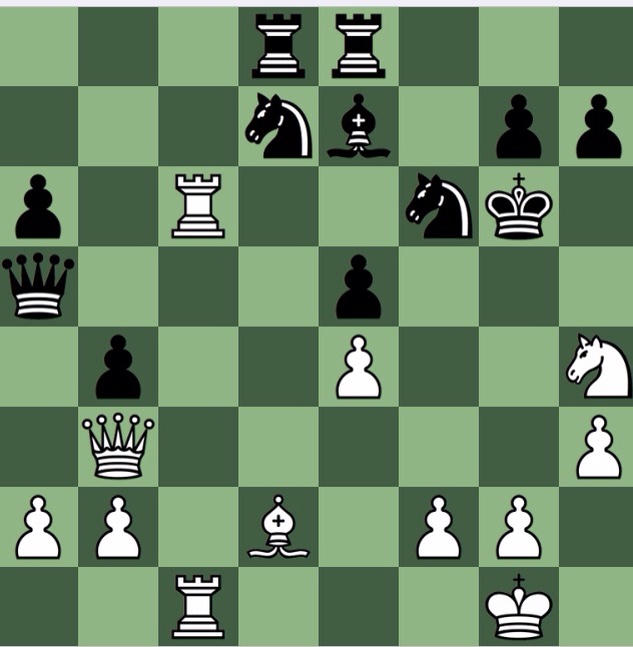
5 Qf3+, 6 Qg3+, 7 Qg5 mate.
If instead 1…Qa4 then something else nasty happens on f7: 2 Bb3 Qe4 3 Ng5 1-0
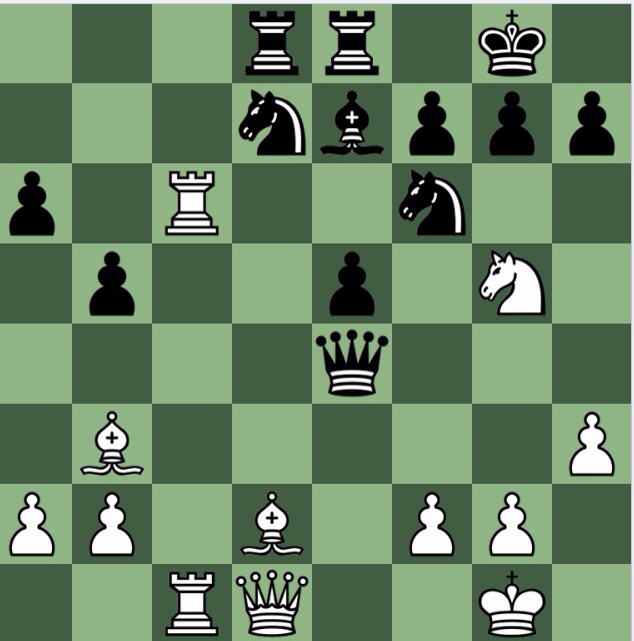
Black to play
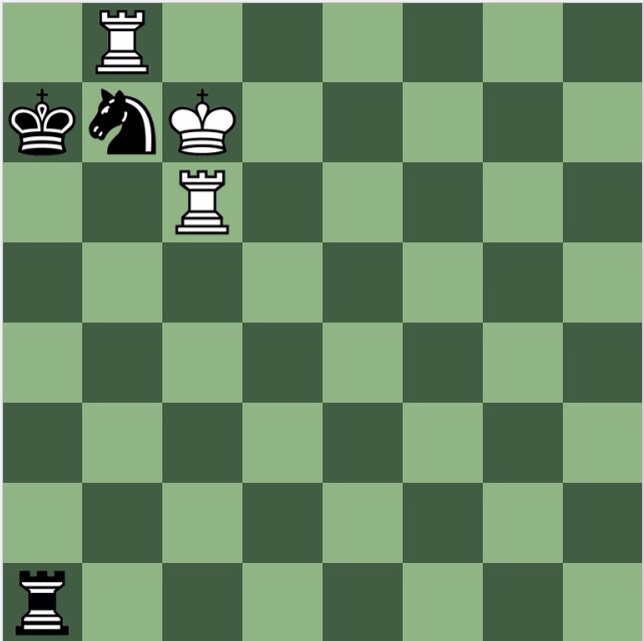
Kristinsson v Benediktsson, Iceland 1961
Solution
The problem in the book is 'how does black escape to a draw' and, in the absence of other moves, 1…Nd6! has to be the solution.
Clearly, white can't take the Nd6; if 2 Rd6, then 2….Rc1+ 3 Rc6[] Rc6+ 4 Kc6[] Ka7 1/2.
Whether black is drawing in theory is down to the Tablebases; whether he could draw in practice is more of a moot point.
White to play and win
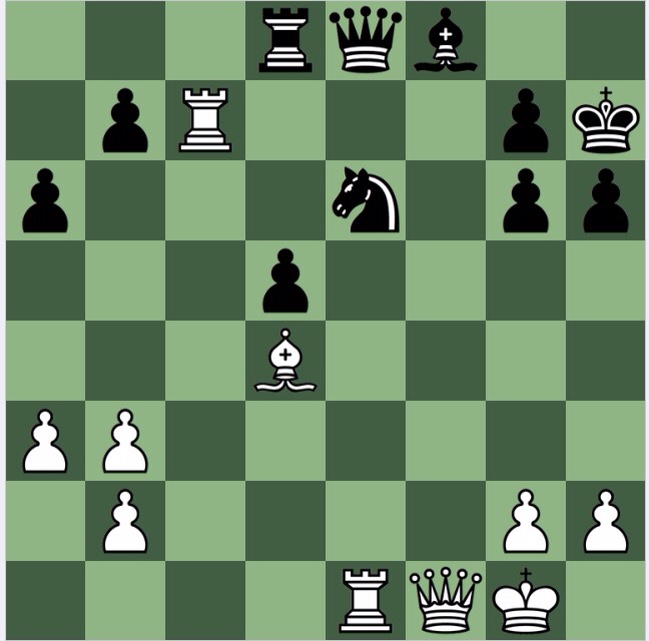
Vasiukov v Djurasevic, Belgrade 1961
Solution
Fairly straightforward today, with a series of mini sacrifices.
1 Re6! Qe6[] 2 Qf8!
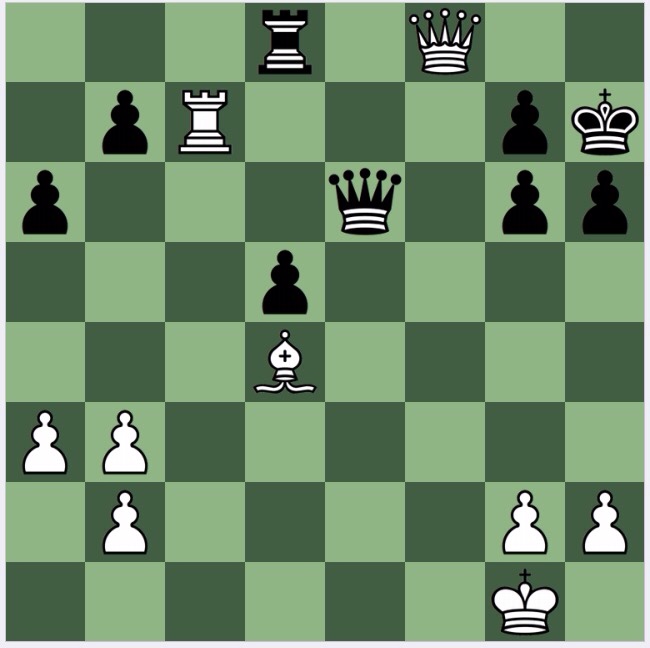
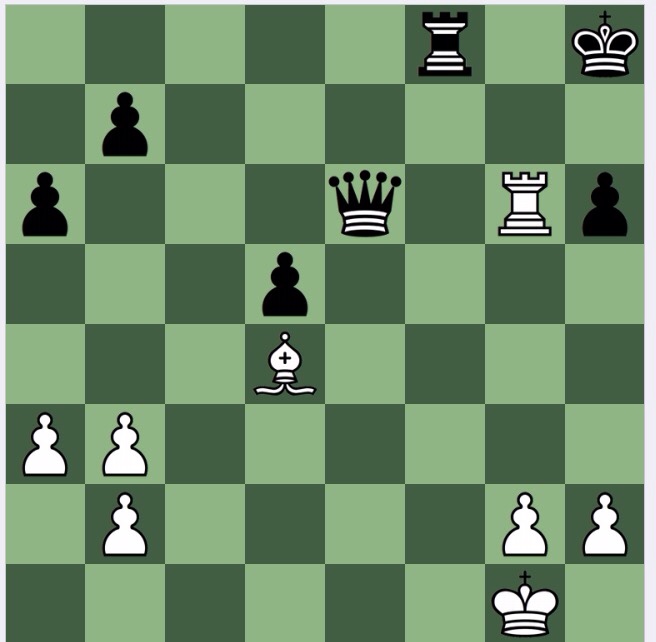
2…Rf8 (there are no funnies after 2…Qe1+) 3 Rg7+ Kh8[] 4 Rg6+
Black to play: can he defend?
White has just played 1 Qg4 threatening 2 Qg7 mate; and if 1….Qg4, 2 Ra8 mates.
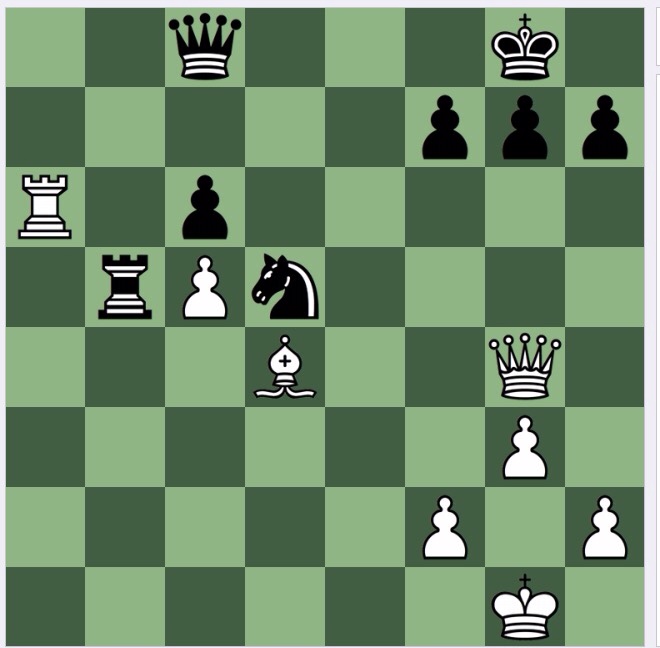
Engelbert v Hofmann, Schleusingen 1961
Solution
In the game, black resigned, but he should have played on. 1…Rb1+ forces 2 Kg2, when 2….Nf4+! starts to complicate matters.
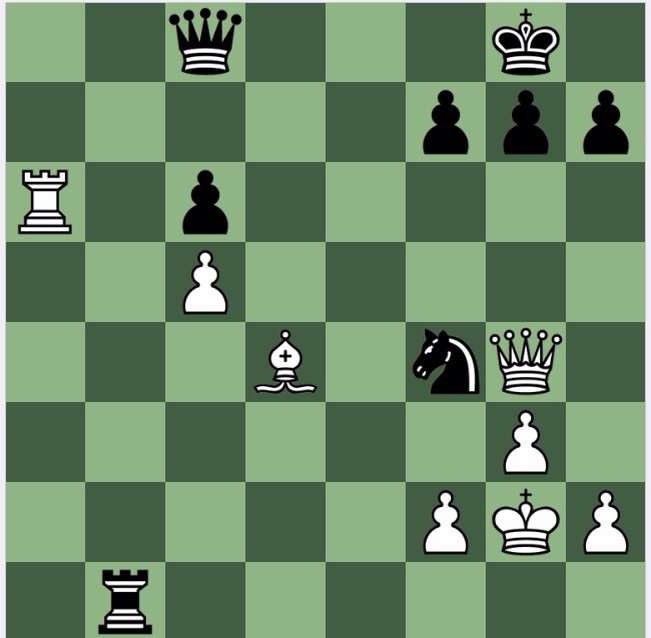
Firstly, if 3 Kf3? then 3…Ne6 secures everything, and black is not worse. Stockfish tells me black is better, -1, and that might be so, but converting any advantage would be hard. The engine suggests 4 Ra4 Rg1; the latter would never occur to me, but, once seen, must be too keep white's king out in the open.
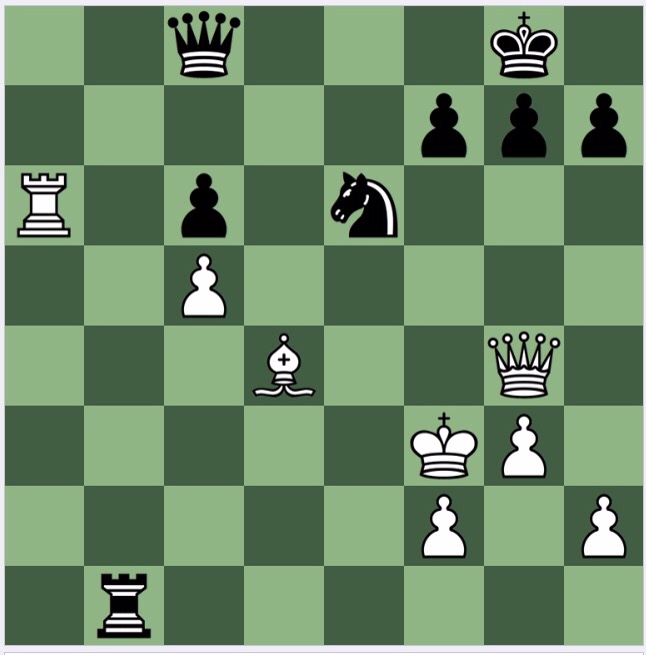
So, instead, 3 Qf4 Qa6
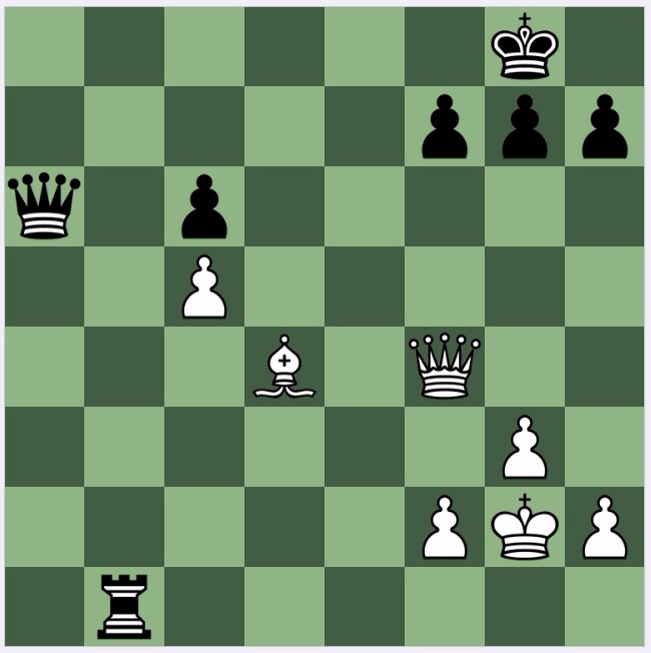
After 4 Qe5, threatening mate both on g7 and e8, black must bail out for a draw: 4…Qd3+ with a perpetual check.
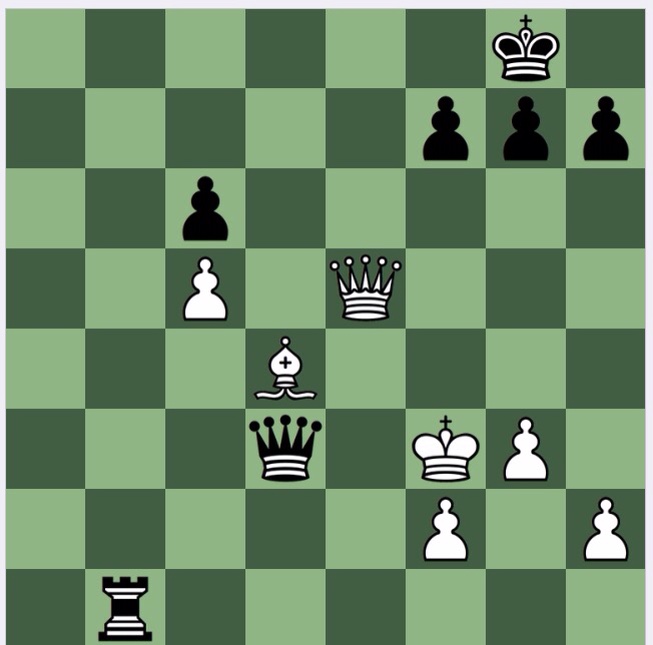
Black to play and win
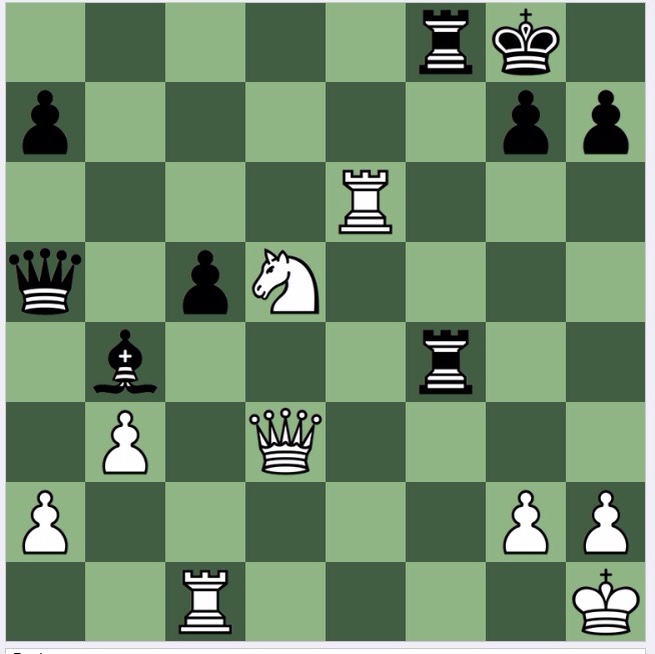
Vogt- Alexander, Berlin 1962
Solution
The motif is clearly back rank mate, and the task is to try to deflect white's queen from defending f1. So 1…c4! (examine all biffs) and if 2 bc, then 2…Qa3!
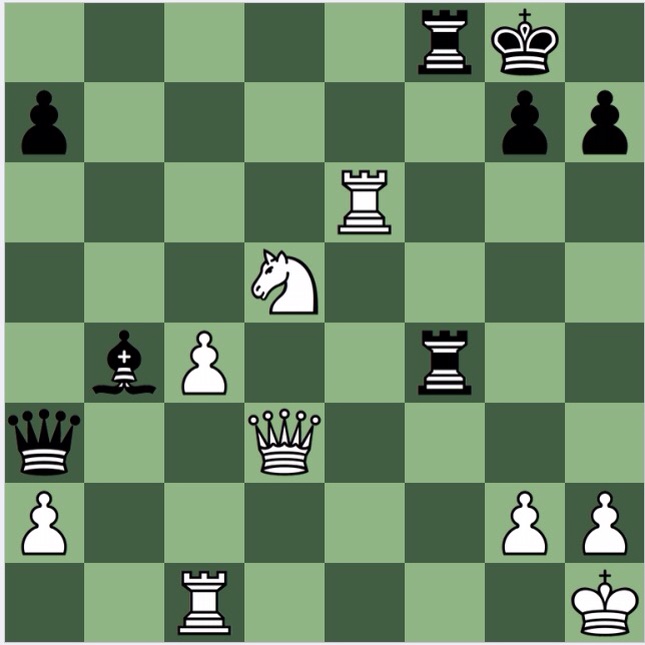
If now 3 Qd1, then 3….Qc1! is game over.
Note also that (1…c3) 2 Qe2 loses to 2…Qd5.
 allanbeardsworth