Today is round 4 of the Tromso Olympiad, and this posting is being made mid round. The game of the daywill doubtless be Carlsen's graceful demolition (the game has just finished – he makes the difficult look so easy, in hindsight all his moves are logical, but predicting them is impossible) but Vladimir Kramnik's gam vs Wang Yue had an interesting moment.
Examine all biffs
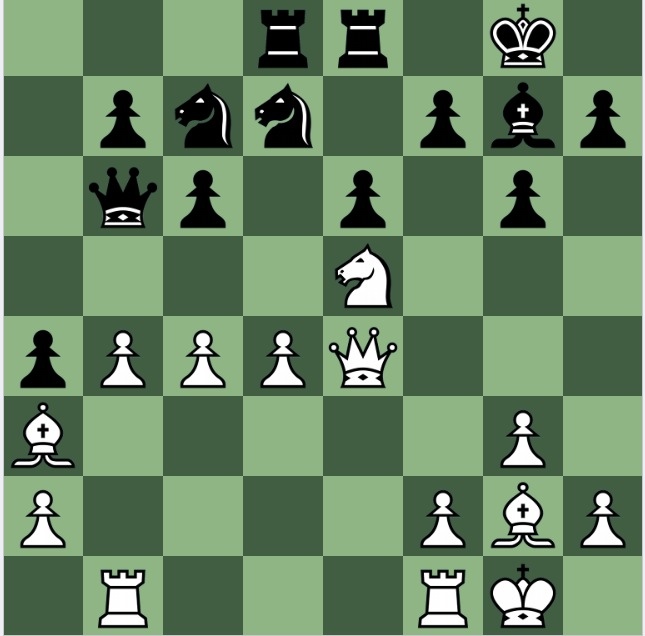
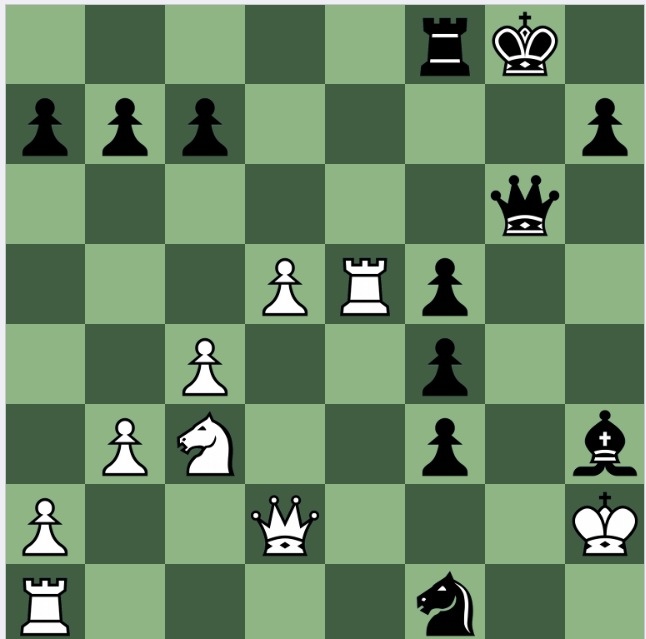
Vlad has clearly read CJS Purdy since here, rather than playing the move my engine recommends, 1 b5, with a good sized advantage, he played 1 Nf7!?.
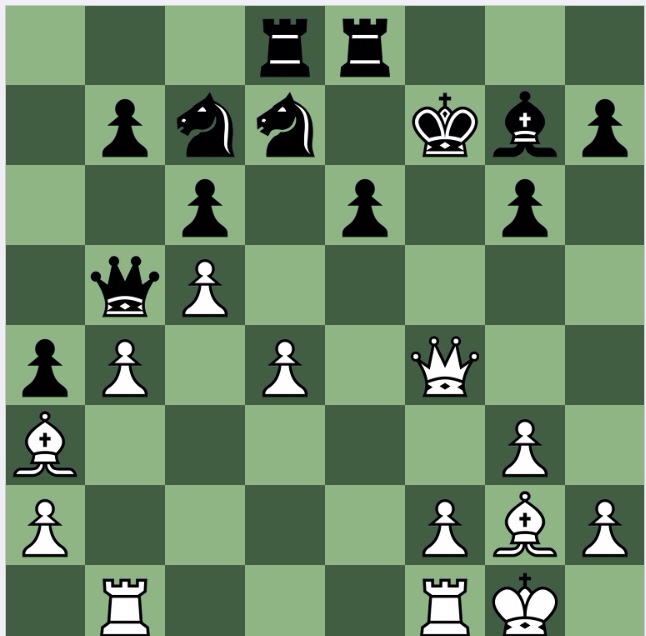
I didn't get the point of it when the move was played. It took me a while to appreciate it: 1…Kf7 2 c5 forces black's queen to lose protection of his Nc7, so after say 2…Qb5, 3 Qf4+ is a fork, and the LPDO Knight drops off.
Introduction A year or two back, my younger daughter gave me a present, 'Dear Dad, from you to me' , one of those gift shop gifts which are very well intentionedy, but, alas, time is so short that they can often gather dust and never be completed. I decided a while ago that I wouldn't let this happen, and would aim to complete it for Sophie, Alice and Tom, so whenever they want to, they could find out a bit more about their Dad. So, I have set up a private blog, to which only family have access, and have been posting to it during our summer 2013 holidays and subsequently. Many of these postings are personal, and best kept private for the family only, but those which are less private will also be posted on my main blog.
Where would life be without proud parent moments?
Each of my children, now ranging from sixteen to nearly twenty one, are turning into fine young people. A friend once said his parents had a phrase that bringing up children was like baking: you give your children the ingredients, you try to shape and bake them, but what comes out of the oven is not entirely down to you. Well, in my children's case, they are three delicious cakes.
The first cake out of the oven is my eldest, Tom, who graduated on Friday with a First in PPE from Brasenose College, Oxford.

I don't see how a parent could possibly be prouder than I am of Tom.

Do we look alike?
He has had a wonderful time at college, making great friends, being heavily involved in student journalism, including a term being editor of Cherwell, a university newspaper, and generally just having the perfect Oxbridge experience.
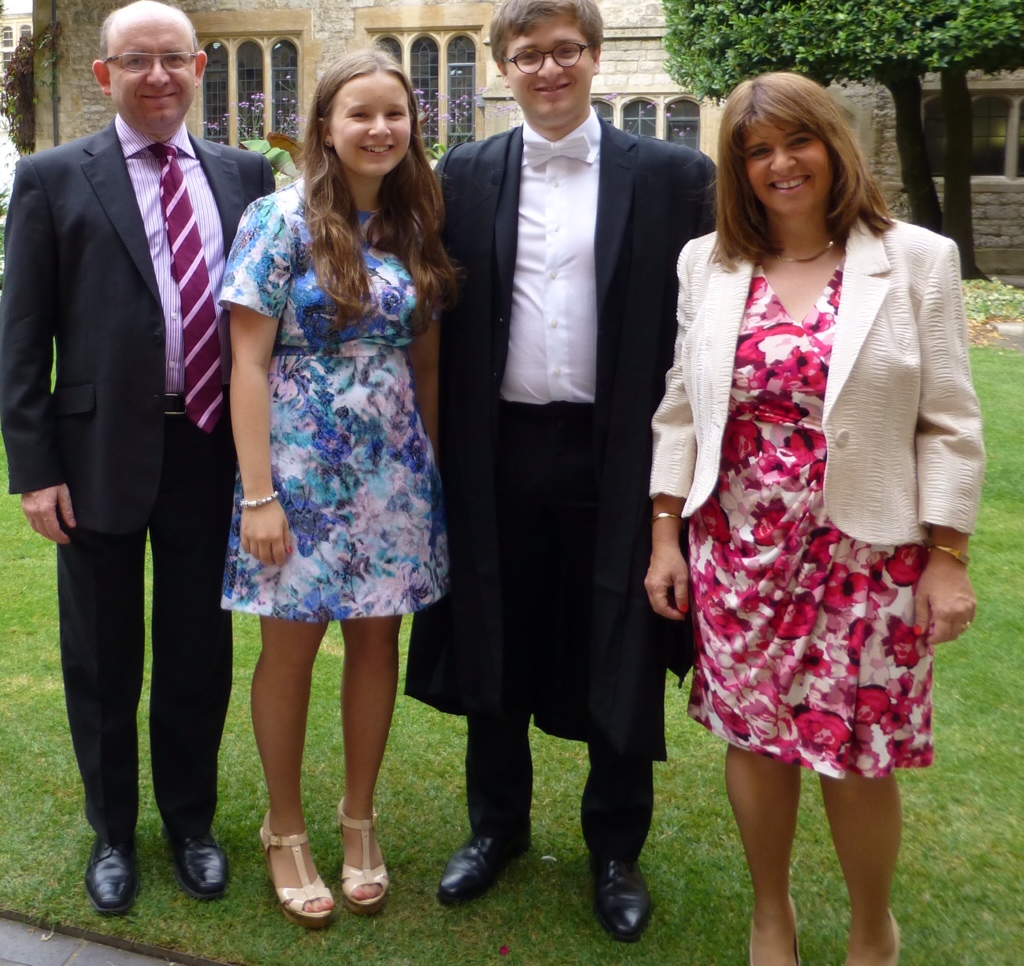
Friday was a fitting finale. The weather was superb and Jane, myself, Tom and our youngest daughter (daughter #2 is away, volunteering in Malawi) had a wonderful, memorable day: the ceremony was just right, the right mix of Latin, pagentry, doffing of mortar boards, bowing, and of lightness and celebration. Then after drinks and canapés at Brasenose we had lunch with Tom's girlfriend Anna and close friend Will, and their parents at Quod restaurant to cap a perfect day.
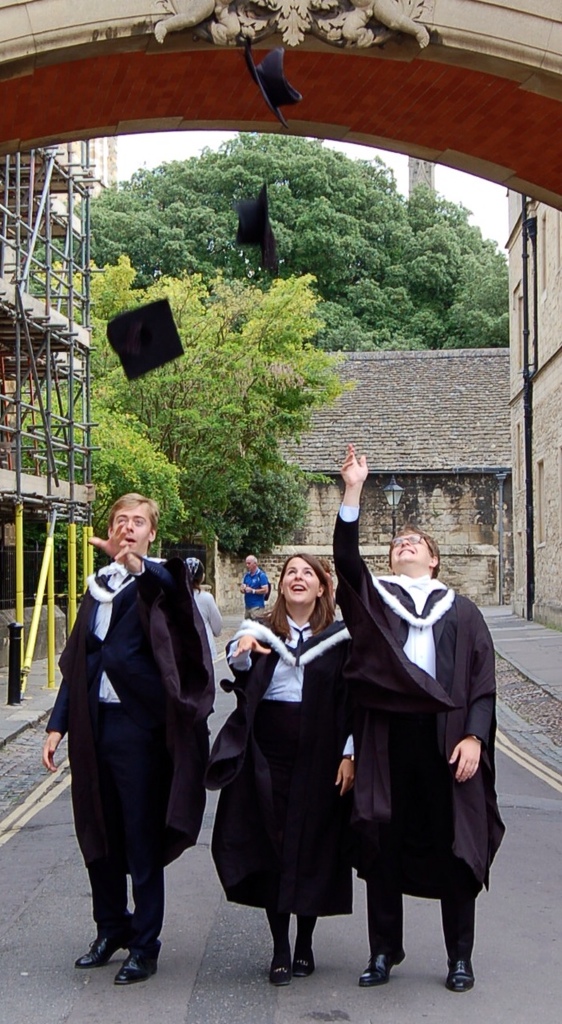
Bridge of Sighs, Hertford College
 Posted with Blogsy
Black to play and win
Reitstein says that on this correspondence game black announced a mate in 9 (with the rider that there were ways white could throw ruinous material away to drag the game on). It is actually quite a nice exercise to find the main lines.
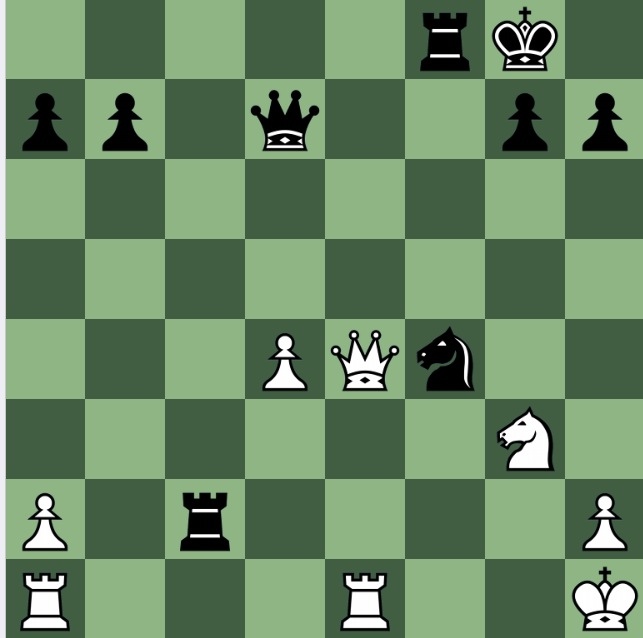
GW McElhinny v J Martins 1957
Solution
The first moves are obvious: 1…Rh2+ 2 Kg1[] (2 Kg1 Qh3 is trivial) Qg3+
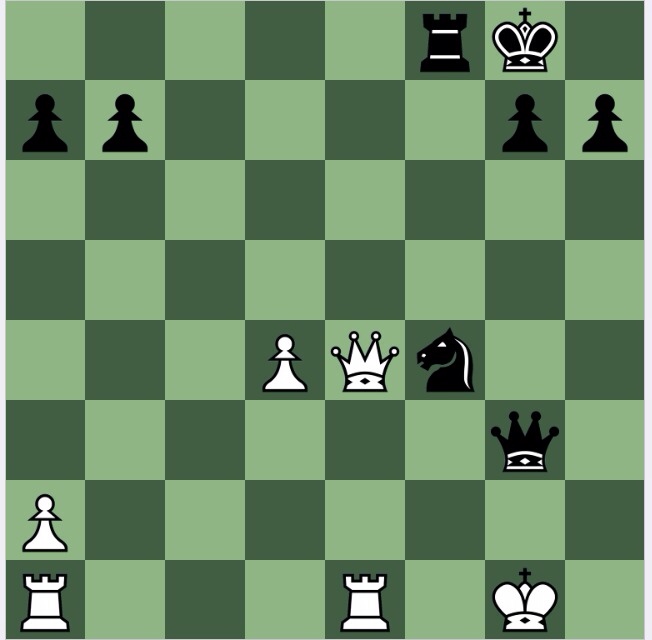
White has two moves now.
3 Kf1
I found a very pretty mate here, and was pleased I could see such a long line. (Alas, Stockfish prefers a different move, but confirms mine line wins)
3…Nd3+ 4 Ke2[] Rf2+ 5 Kd1[] Nb2+ 6 Kc1[] Qc3+ 7 Kb1[]
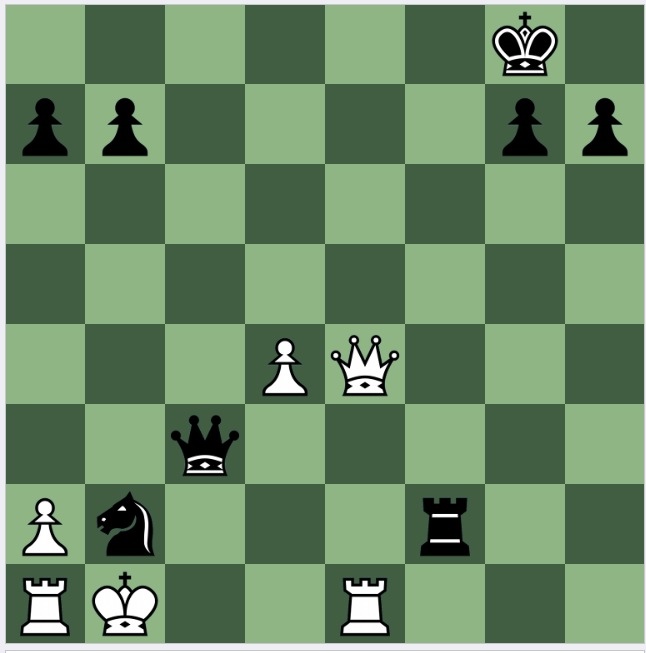
Here, I saw ( from the original position, quite hard, but white's moves are forced, so it is a single branch) 7…Qd3+! 8 Qd3 (8 Kc1 holds out longer, but the same thing happens: 8…Qc4+! 9 Kb1 Nd3 10 Qe8+ Rf8 11 Qe6+ Qe6 12 Re6 Rf2 and mates, as in the main line: I don't get full marks in my analysis, since I didn't see 8…Qc4+!, and thought 8…Rc2+ 9 Kb1[] Rd2+[] won, but it doesn't since 10 Kc1[] biffs the Rd2, which will be LPDO after 10…Qe4 11 Re4; in a game. Black can win by 10… Rd1+ 11 Rd1 Qe4 12 Kb2, but it will be a long game, with RRN v Q and pawns. Note that 11 Kb2 loses to a nice mate 11..Rd2+ and mates: with the Nb2 gone, Qb2 mate ensues.
My previous post mentions yesterday's Berlin endgame Naiditsch-Adams, but is mainly a trip down memory lane to Adams-Almasi from the 2004 Olympiad, my first captaincy of the England team.
I have now had time to play through yesterday's game, and realise that my narrative of the game was wrong. I felt, watching it live yesterday, that Mickey was worse, often far worse, and rescued a draw. This understanding was wrong: the game was near equal throughout, and doubtless Mickey (and Zoltan) knew this.
Yesterday was round three of the Tromsø Olympiad. I am writing this from our home in Kas, Turkey where we arrived on Sunday. Through travelling and then because the internet was down I missed the first two rounds, but not to worry, the hard matches started yesterday.

With teams from 180 nations taking part, this is one of the biggest sporting events. As others have commented, it just had to be the case that on the precise hundredth anniversary of the outbreak of WW1 England were paired against Germany.
The joy of the round was Matthew Sadler's fine win against David Baramidze, a game I intend to study since from first impressions, I really don't understand it, but can tell Matthew played fine chess. The ordeal of the round was Michael Adams' defending a Ruy Lopez Berlin defence against Arkadj Naiditsch. Fortunately, despite to my mind Mickey's position always seeming questionable, he held on to secure a draw: yet again, Mickey shows his true supreme qualities by successful defence.
Black to play and win
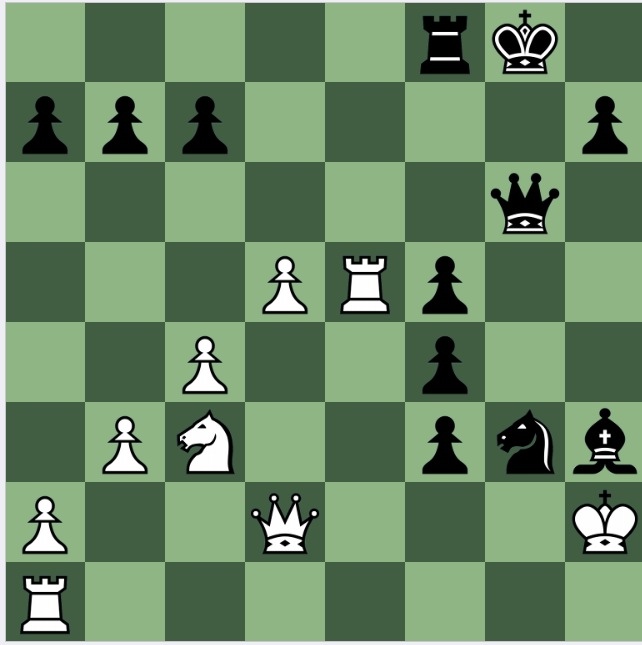
BE Siegheim v J Schumer 1905
Solution
Reitstein gives the solution (which was the game continuation) as 1…Bf1, so at first I thought the move I found, 1…Nf1+, must have been a mistake, but in fact it is the engine's first choice too.
Dealing briefly therefore with 1…Bf1, which also wins, white could struggle on (albeit in a lost position) by 2 Qf4 Ne2 3 Re2 ( Reitstein gives 3 Qe3?? Qg2 mate) fe 4 Qg3 hopeless, after say 4…f4, but not immediate.
Instead, 1…Nf1+! is both more obvious and stronger.
Firstly it is a biff, and Purdy exhorts us to examine all biffs: and not just any biff, but a double attack on king and queen, so has to be looked at. I have circled most of the LPDOs in the attached.
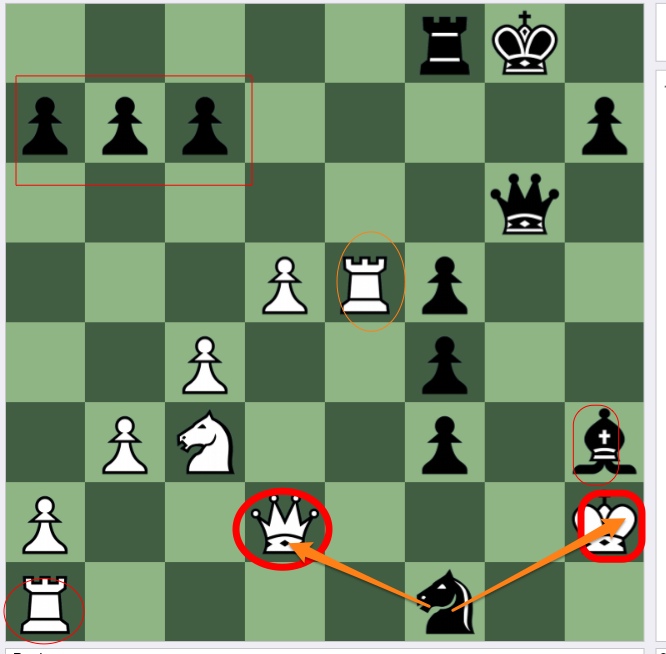
2 Rf1 is forced, when 2…Qg3+ follows, with 3 Kh1 being the only move.
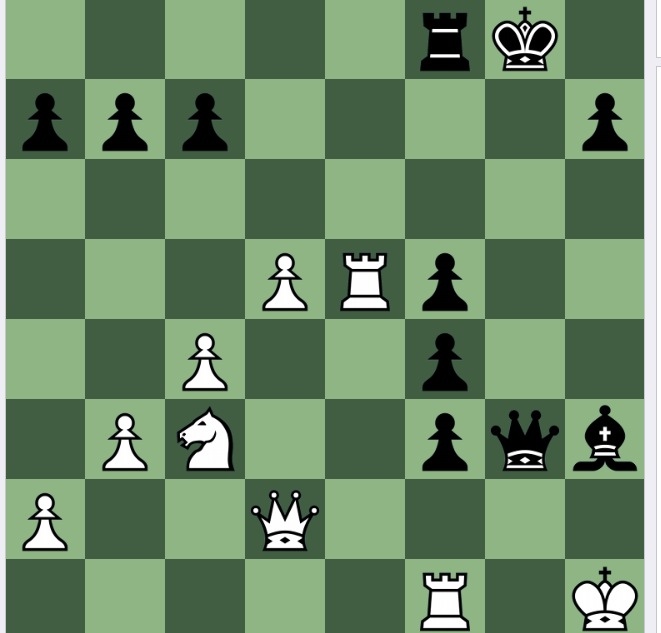
Position after Kh2-h1
My 'eye' or 'hand' wanted to play 3…Bg2+, but it is no more than a perpetual ( in fact, I am wrong there. Stockfish showed me 4 Kg1 Bf1+! 5 Kf1[] Qh3+! 6 Kg1 Kh8! winning the house- I missed 6…Kh8!, seeing instead 7Re6!= . Then I saw 3…Qg2+!! which again exploits the two LPDO pieces, Qd2 and Rf1, and after 4 Qg2[] fg+ 5 Kh2 gf(Q) 1-0.
In my earlier post this morning, I gave position 223, and one of the lines resulted in the following position, with black to play.
Black to play
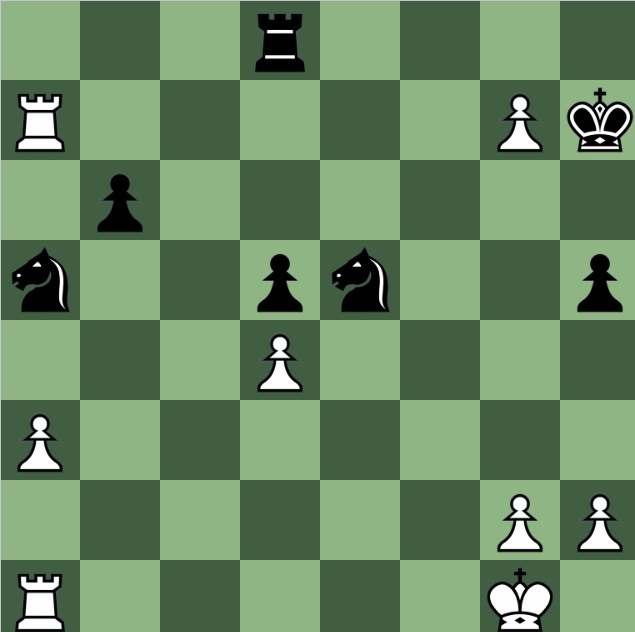
I reached the positon in my analysis, and assessed it as 'and the game goes on', Jon Speelman's phrase. I thought 1…Nc6 2 Rc7(say) Nd4 and I somewhat preferred black: one point is that 3 Rd1 doesn't win the LPDO Nc4 (LPDO because the Pd5 is pinned, because of the jump biff Rd1-d8, the Rd8 being LPDO. It doesn't win it because 3..Ne6! both biffs the Rc7 and defends the no longer LPDO Rd8.
White to play and win
Slightly cooked, so worth spending some time on. Reitstein's rubric was 'If, as White, you had reached this favourable position you would soon realise that if given the chance your opponent could return some material by 1…Ne5 for counter play. So you have to force home your advantage without delay, as Kirby did.'
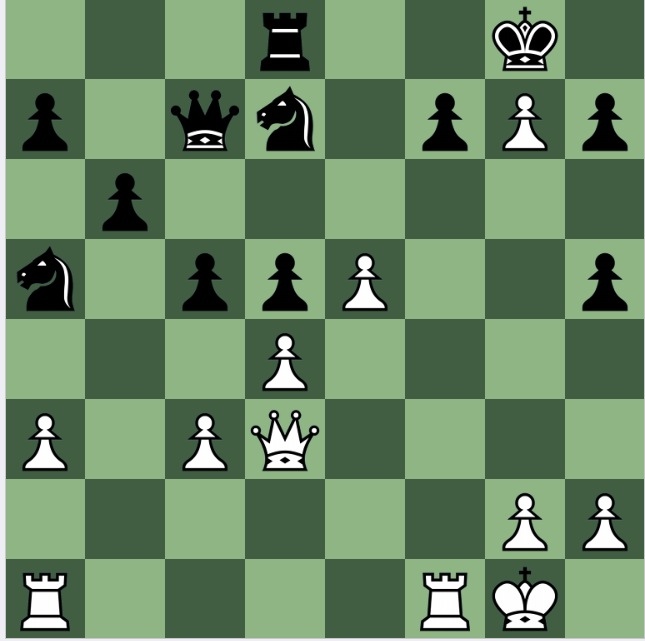
KF Kirby v M Bleiden 1949
Solution
Reitstein's hint is a big steer to 1 Rf7, and this is indeed the move which was played. The game continued 1..Qc6 2 Raf1 Qh6 3 Qf5 1-0. However, isn't 1…Ne5! a natural try, since whilst the Qc7 is LPDO, so is the Qd3? Stockfish confirmed that the position is level: 2 Qh7+ Kh7 3 Rc7 cd 4 cd Nc4.
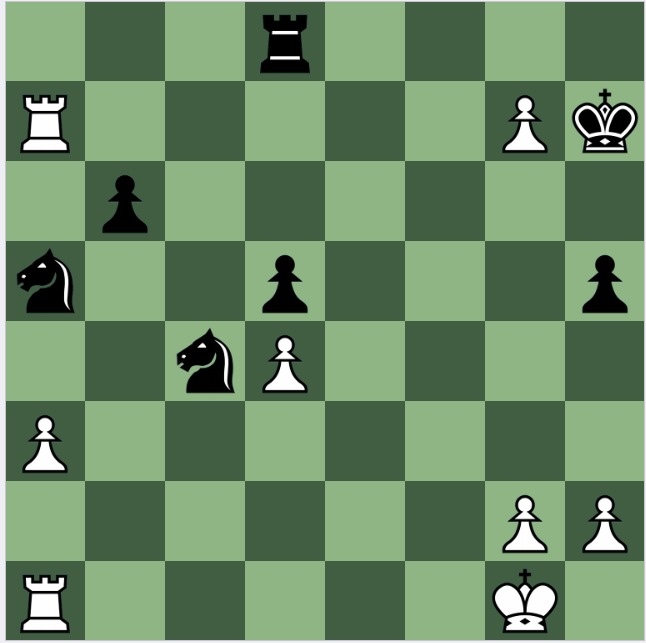
So strange that Reitstein didn't mention it, and also strange that black didn't play it, though of course it might have been a time trouble position.
Stockfish has a nice move following the above position, which I will post separately in a moment.
White to play and win
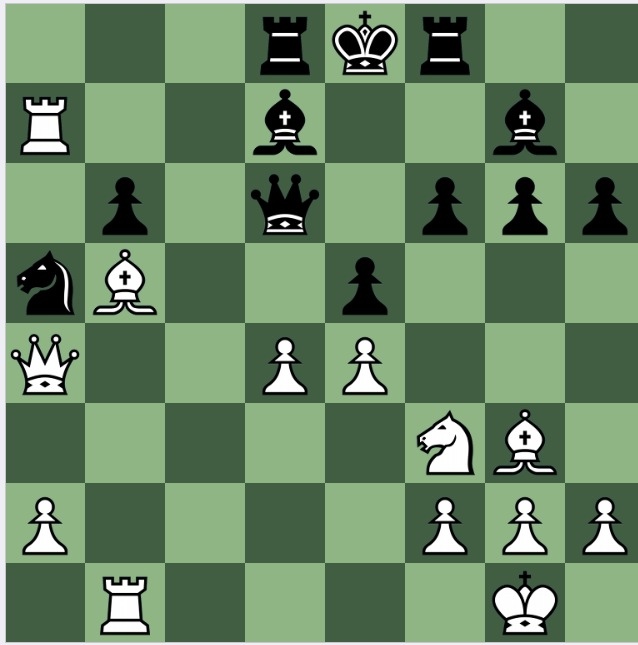
PJ Foley v C van Vliet 1980
Solution
Not the very best of puzzles, since most reasonable moves win.
A) the game continuation, 1 de fe 2 Rd7! and 3 Rd1! 1-0; or if 1…Qe6 2 Rd7! and 3 Rd1;
B) the move I chose, 2 Rd7!, which is basically a different move order
C) 1 Rd1, which again is a move order play: but not as good (even though winning) since it gives black one more defensive option, namely 1…Bb5 2 Qb5+ Qc6, but 3 Ra5! wins
D) Stockfish's preference, which I saw but ruled out, but once the engine shows it, it becomes clear. 1 Bd7+!! Rd7 2 Rb6!!
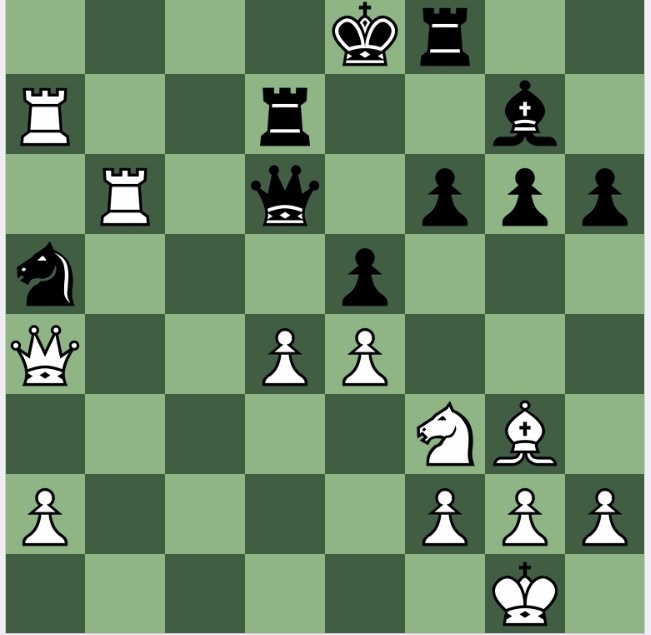
2…Nc6 when 3 Rc6! is easily winning (3…Ra7! 4 Ra6+ or 4 Rc8-+). If 2…Qe7 3 Ra5 1-0.
Black to play and win
A good exercise: try to solve this puzzle on the presumption that white is an engine, and will put up the best defence.
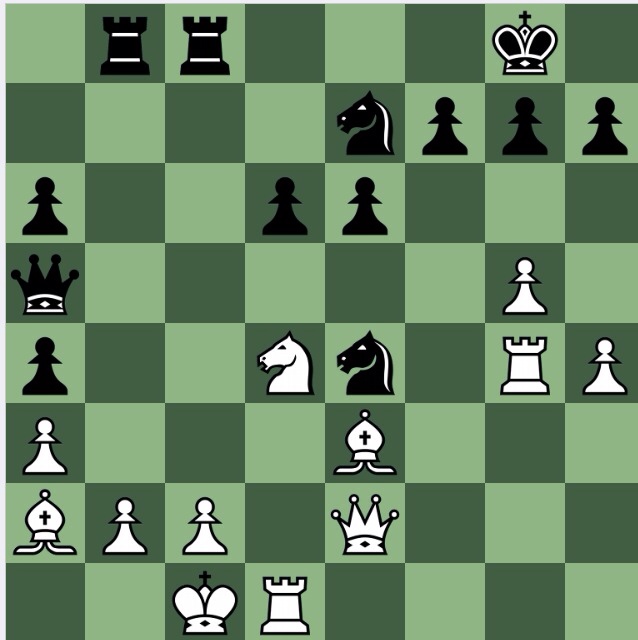
V Huang v M Levitt 1981
Solution
I put the rubric up, since 1…Rb2! is pretty obvious, but with the pieces tangled up, it isn't too easy to see all the lines. Had it been blitz, it would be easy: Rb2, see what happens, if 2 Kb2 Qc3+, see what happens. But classical chess is harder.
Having said that, it isn't much harder in the present case, since black is a piece down, and has to go 'all in'.
So, 1…Rb2! 2 Kb2 Qc3+ 3 Kc1 d5 and 4…Ba3+; 3 Kb1
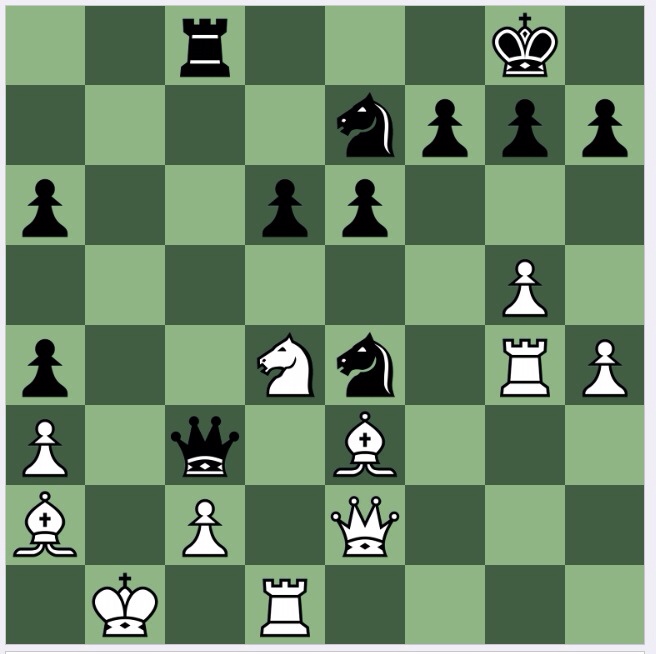
3…Rb8+ 4 Bb3 (this is the line Reitstein gives as his main variation) 4..ab 5 Nb3 Rb3+ 6 Kc1 Ra3 'and wins'.
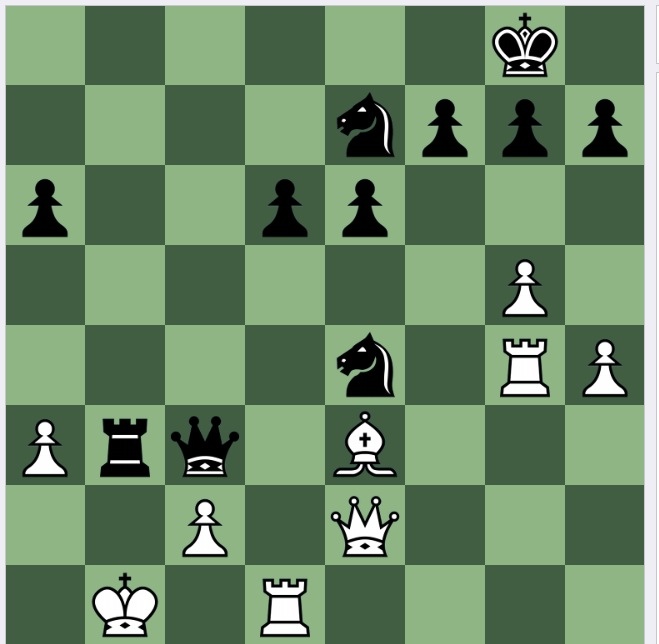
Alas, there is something wrong with this line. Instead of 6 Kc1, 6 cb is natural, and is equal. 6..Qb3+ 7 Kc1 Qc3+ perpetual (white can't interpose 7 Kb2 since the Rd1 is LPDO).
Double alas, there is something more seriously wrong with this line. Instead of 4 Bb3?, which we have seen is dead equal, 4 Nb5! is advantageous to white. 4…Rb5+ 5 Qb5 ab and 6 Re4, and white has too much wood: some advantage to him.
Position before 6 Re4
So, is white better after 1…Rb2? No! Stockfish shows me black can still fight for the advantage, but by a move I would never have considered
After 1…Rb2! 2 Kb2 Nc3! is strong.
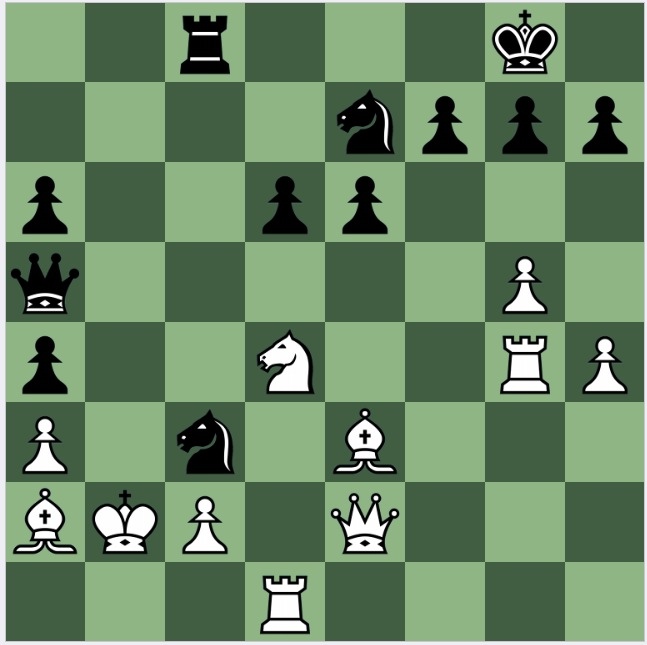
2…Nc3! is a move I would never even consider, and if I did follow CJS Purdy's consider all biffs I would reject it encase because of 3 Qd2, which itself isn't best! 3…:Nd1+ 4 Qd1? Qc3+ 4 Kb1 Qe3 and black wins. The open b file will mean that white has to give a minor piece back.
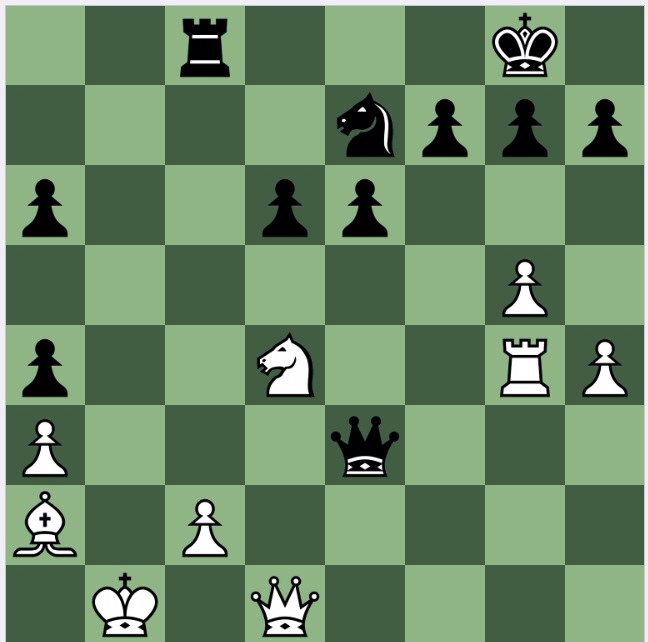
The best line appears to be 2…Nc3! 3 Qd3! Nd1+ 4 Ka1! and black is better, but the game goes on.
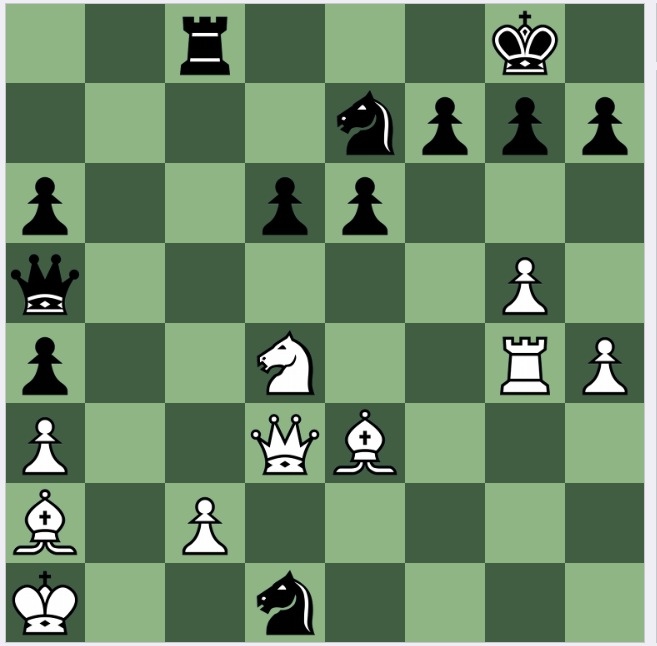
Stockfish gives a half point advantage to black after 4…Qc3+, taking off the queens.
 allanbeardsworth