…you'll be walking down memory lane.
Or at least I was, yesterday, when for the first time in probably 35 years I went to Crow Wood, Culcheth- the village where I grew up, and where my father still lives.

Entering Crow Wood
My younger daughter, our dog Charlie, and I went to visit my Dad, who was out when we arrived at his bungalow. So we decided to take Charlie for a walk in the hope that by the time we returned, dad would be back (and he was).
So, for something different, we walked out of the village and took the track to Crow Wood. A lot had changed- a new school has been built, plenty of new houses, an old farm which I always feared (running the gauntlet of farmyard dogs) is now a plush private residence, but when you leave the built up area, the track was still the same, and I entered the wood with massive emotions.
As a child from around the age of 8 or 9 into my teens, I spent a fair amount of time in the wood, often biking round the circular, bumpy, up and down path, in dens, exploring…..without any notion whatsoever that it might be dangerous (think several ponds, with marshy areas, think secluded); I doubt my parents knew where I was, nor worried. Today, as a parent, no such freedom would be possible. Have we gained or lost?
The wood was smaller than I remember, but that is probably a reflection of childhood blinkers; but it was large enough to be a perfect size for Charlie to run around, chasing again and again the squirrels [he never learns- for four and half years it has been Squirrel 1, Charlie 0].
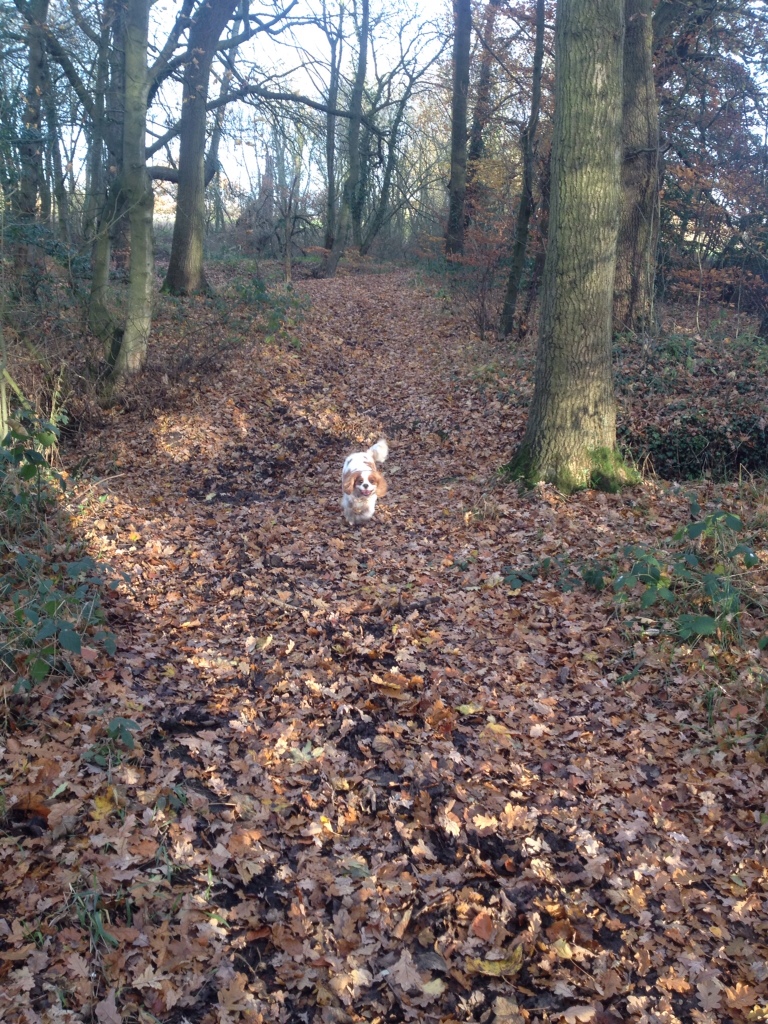
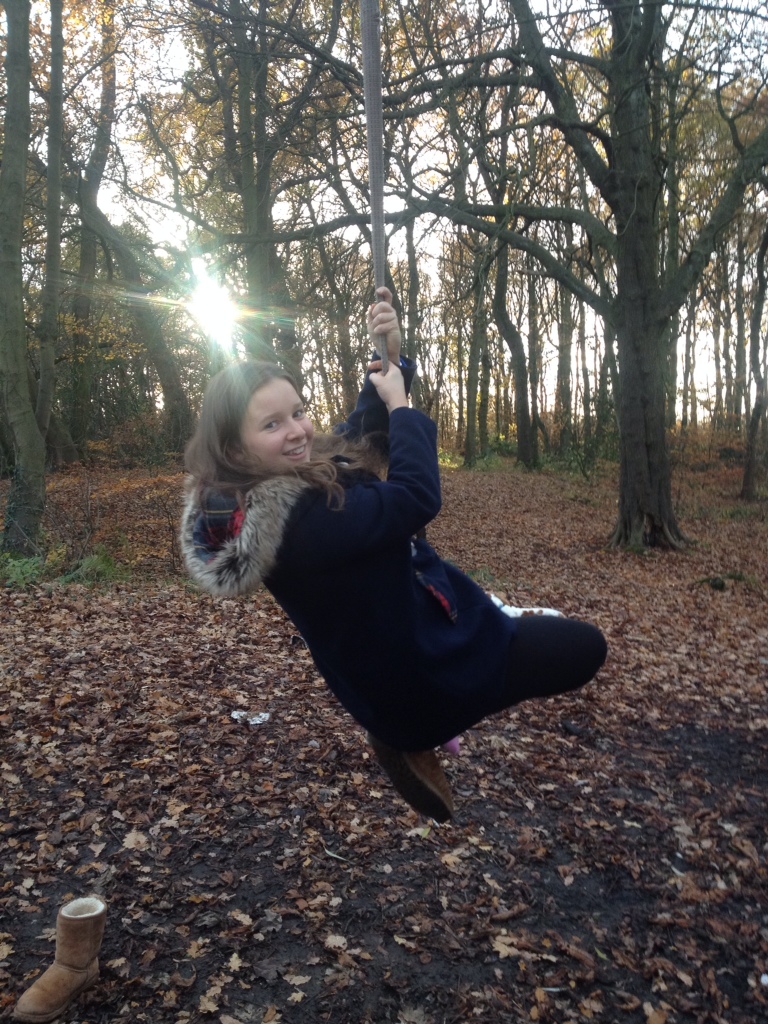
In the middle of the wood, we found a rope which, forty years ago I might have used to swing on, never having heard of health and safety.
Later, we walked a bit further, to the extreme point of where I used to play, marked by a railway bridge. We stopped, and whilst we were looking at Winter Hill in the distance, an old man came up on his bike, and also stopped. We exchanged pleasantries, and I mentioned I was walking down memory lane, so we chatted further, and I took a 50:50 guess and asked him if by chance he remembered my late mother- 50:50 because she was the receptionist for one of the two village doctors' practices. 'Of course I did, and my wife knew her well', and another trip into the past, tinged with both happiness and sadness, started.
Probably the best dog walk of my life.
 Posted with Blogsy
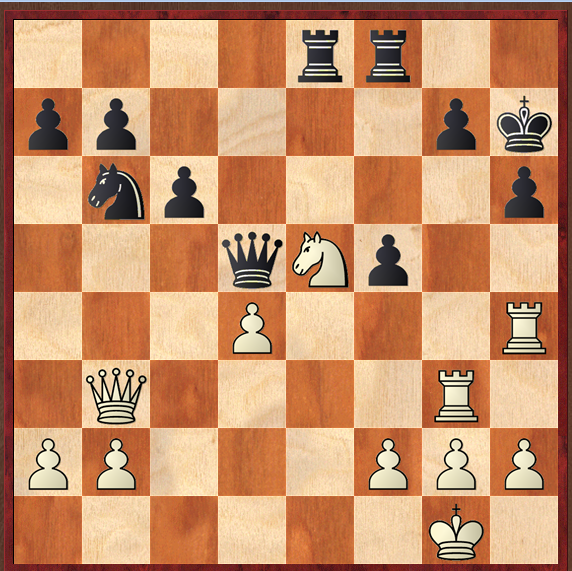
White to play and win
Solution
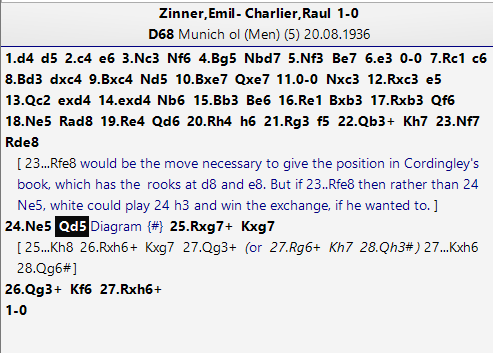
A bit of a rest day. 1 Rg7+! is an obvious breakthrough sacrifice, and there are not many branches to calculate.
My own task was slightly harder: the diagram in the book itself has the black rooks at d8 and e8: it doesn't change the evaluation, but means that there are one or two more lines to calculate, with the king now having f8 as an escape square: but if it goes there, the Rh4 goes to f6 (from h4).
White to play and win (or not, perhaps)
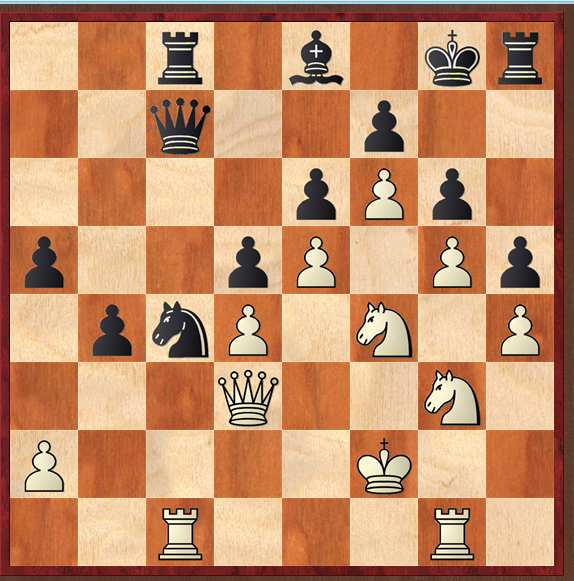
Whilst I think the problem is cooked, it is nevertheless a good exercise. I think White's attack can be defeated. How?
Solution
White's first move is obvious, 1 Ngh5, but black isn't forced to capture- if he does, g6 comes, with ruinous opening of lines. But if black declines, my analysis to date shows that I think Black can just about defend – though the narrow drawing line is only obvious if you are made of silicon- the line isn't mine, but Houdini's. I think the drawing line is little short of miraculous.
I attach my analysis to date. I wouldn't be too surprised if further engine power changed the evaluation. The problem is Aagaardian, capable of extensive analysis.
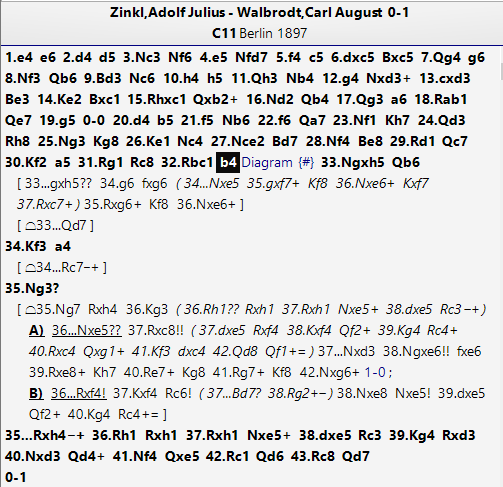
White to play and win (or not, as it turns out)
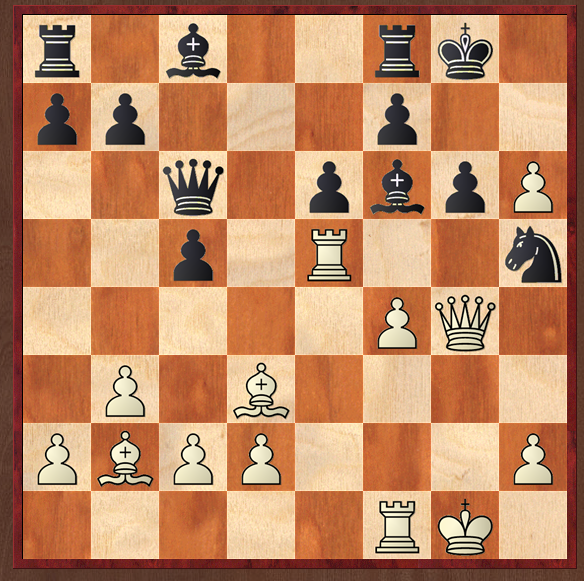
Solution
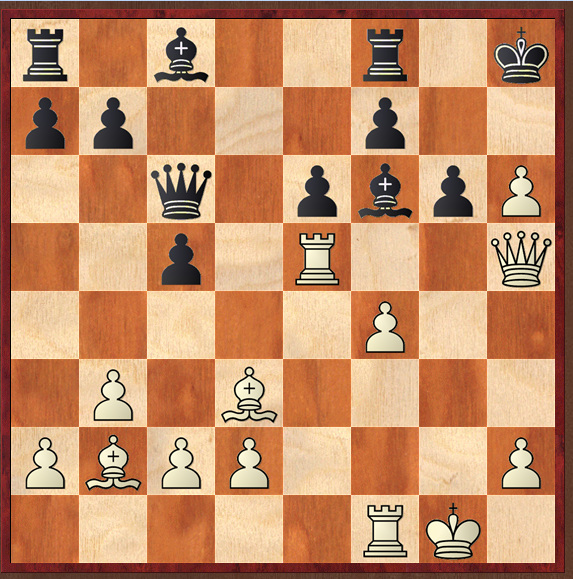
I suspect this game was from a simultaneous- it is described in Cordingley as Zemsch – X, at Kiev 1902- and the game score isn't in Megabase nor could I find it online.
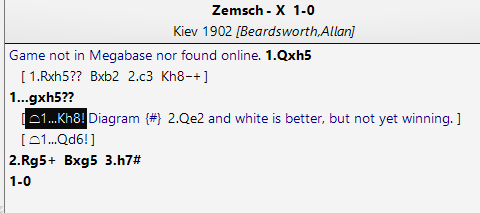
So, 1 Qh5! is the obvious try, and won in the game- 1…gh?? 2 Rg5+ Bg5 3 h7 is a pretty mate- but declining the queen, and pinning the Re5 by 1…Kh8! holds.
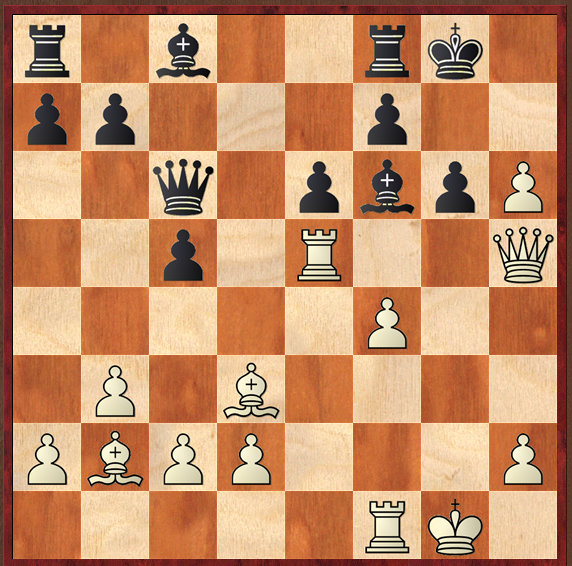
Black to play and win
Solution
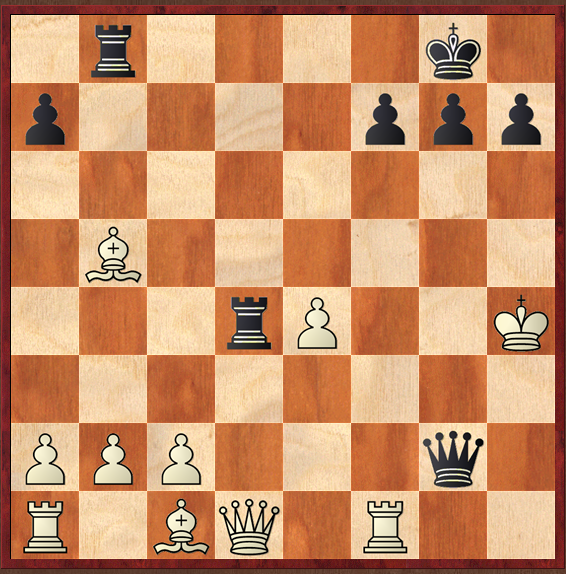
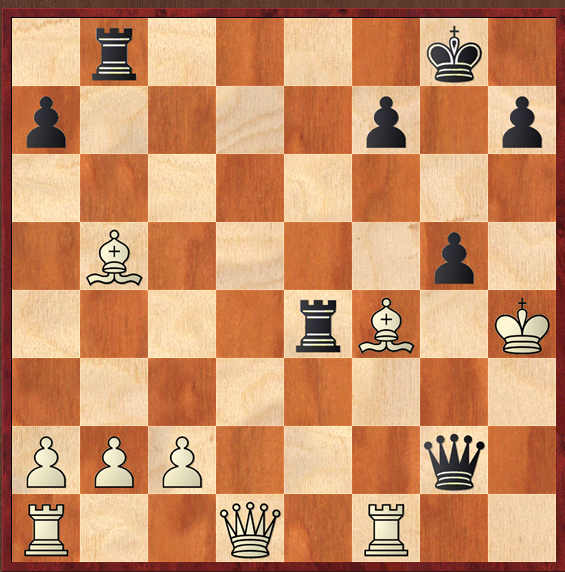
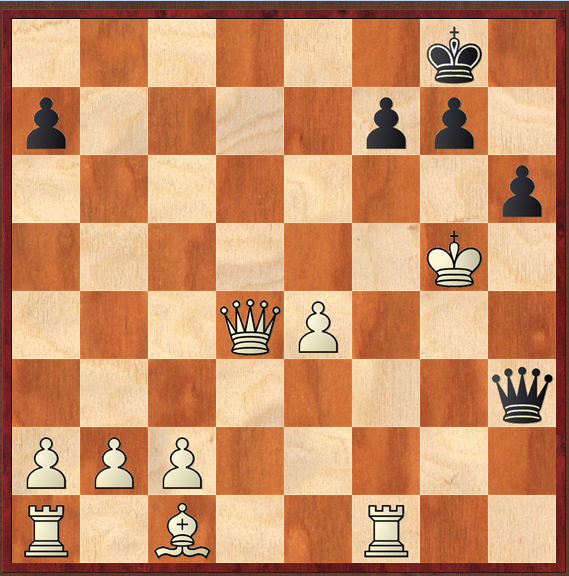
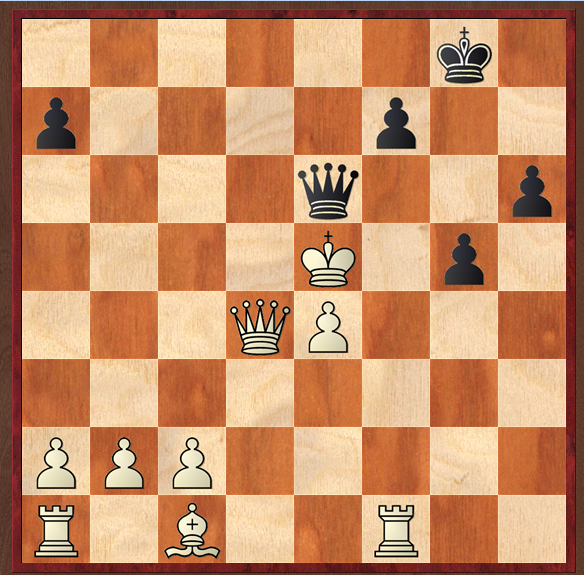
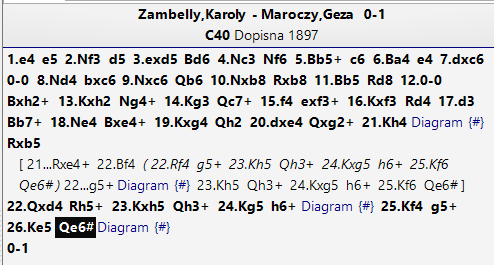
Not too hard, but a nice exercise in visualisation- it is mate in five, in two primary ways. I found the more prosaic one, starting 1…Re4+; Maroczy played a prettier one, starting 1…Rb5, but they are equivalent and lead to a similar mate.
To help see the mates, a few diagrams are printed below.
White to play and win
Solution
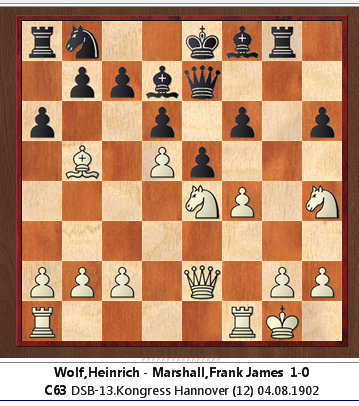
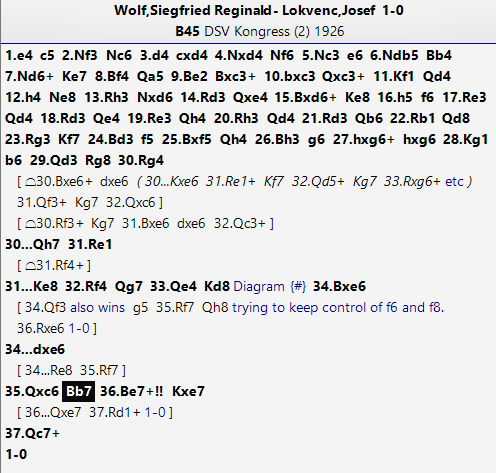
A good challenge. I found it quite hard- a lot of inviting moves, but a quandary about which to play and in which order.
Eventually I cracked it, realising I didn't need to go too far into the line, and once I saw the concept of c2-c4, I knew I was there.
So, 1 fe! Bb5 2 Nf6+! Kd8 3 c4! and it is game over.
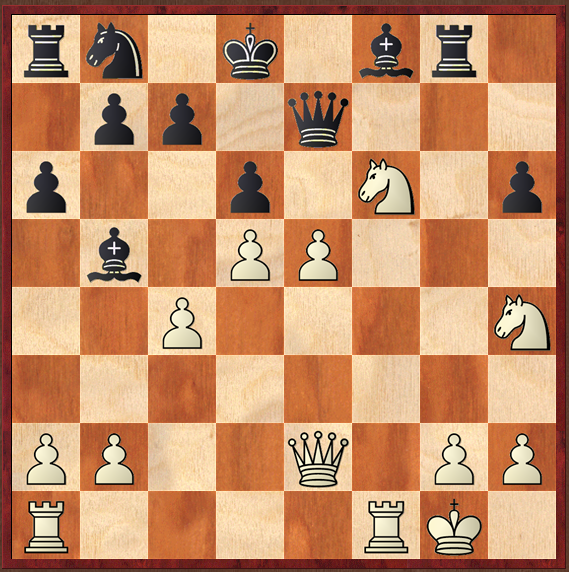
Checking afterwards, Houdini tells me 1 Nf5 also wins, but slightly messier; and 2 c4 is equivalent.
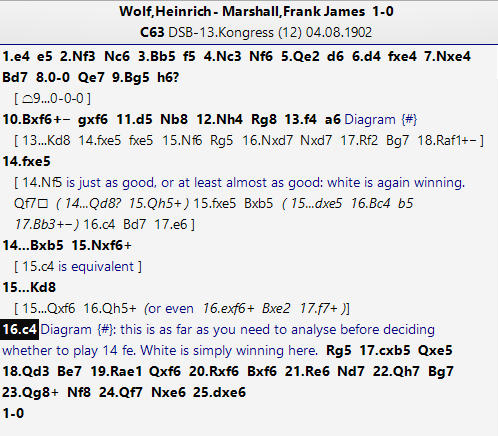
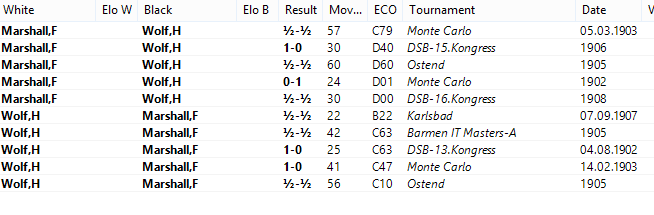
I had never heard of Heinrich Wolf before: his Wikipedia entry shows he is a virtual near contemporary of Marshall's, against whom he had a positive score.
Black to play and win
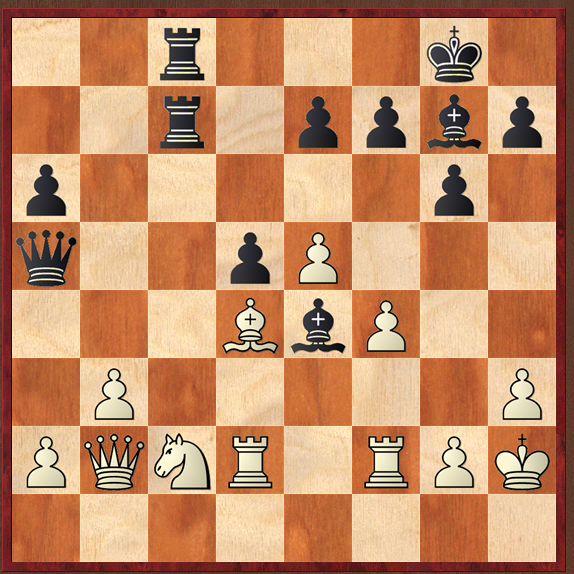
Solution
A rest day today: the pseudo sac 1…Qd2! is fairly obvious. It is only the equivalent of a temporary pawn sacrifice (Q for R and N) but g2 is taken next, with a lethal discovery to follow.
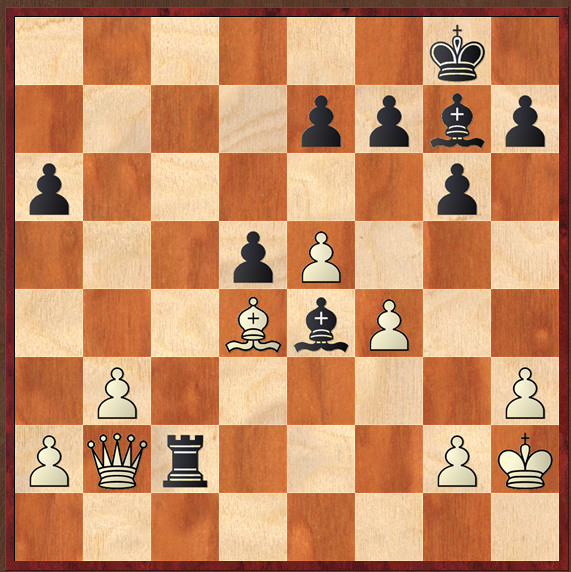
Alas, the game score is missing.

White to play and win
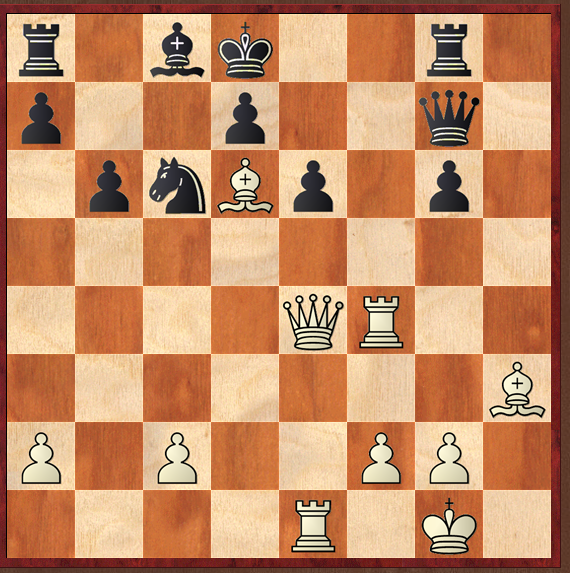
Solution
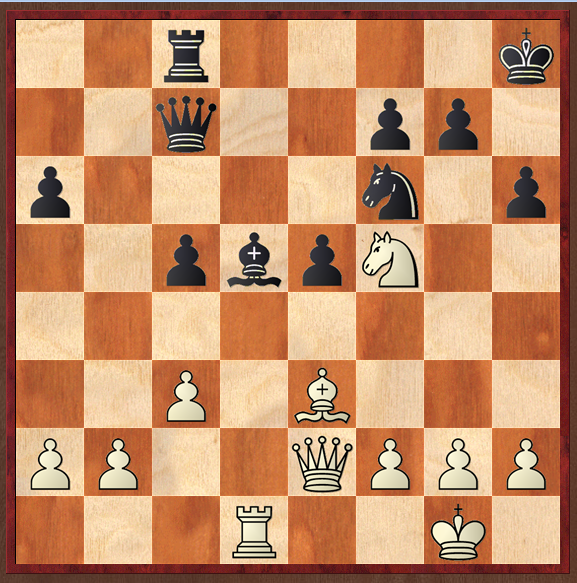
Purdy's examine all biffs mantra means that 1 Be6! has to be looked at. The Pd7 is tied to defending the Nc6, which drops off if the B is taken, so 1…Re8 2 Rf7 Qf7 3 Bf7 Re4 4 Re4 is all that really needs to be calculated- back rank mate.
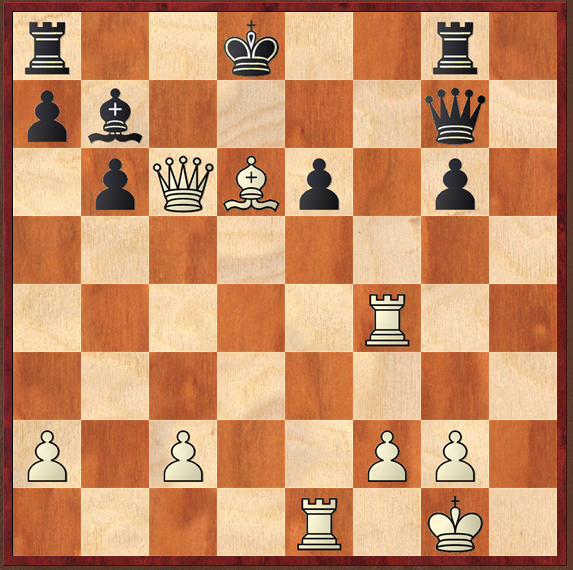
Houdini also tells me that 1 Qf3! wins.
White to play and win
Solution
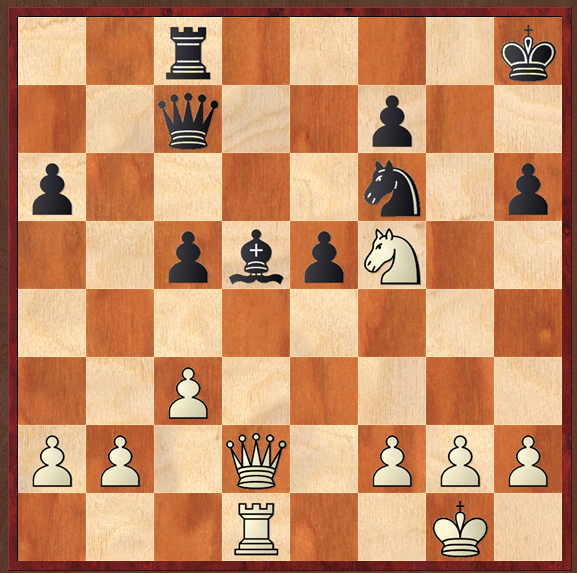
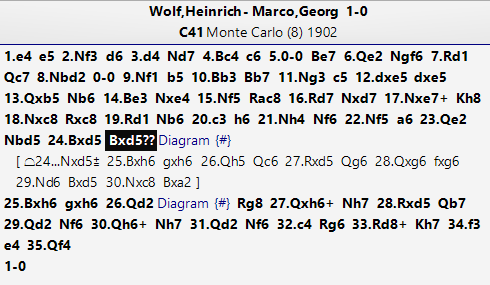
A gentle exercise today- or at least not too taxing. The weakness at g7 and the kingside generally is apparent, as is the Bd5 which ties the Nf6 to its defence. Following Purdy's maxim to examine all biffs, 1 Bh6! has to be examined, and after 1…gh the biff 2 Qd2! also needs to be looked at- and is quickly seen to be decisive. Black either gets mated or his Bd5 drops off.
So, what everyone knew would one day happen, happened yesterday. Magnus beat Vishy Anand 6.5-3.5 in Chennai yesterday. My thoughts on the match will mature over time: not the greatest, and I am sorry for Vishy (who took defeat with great grace in yesterday's press conference), but Magnus's formidable strength shone through. The main aspect for me is the fact that he just keeps plodding on, good, simple [once you see them] moves, maintaining the balance or applying slow, steady, pressure until the opponent cracks.
I first saw Magnus close up at the 2006 Turin Olympiad, aged 15, when he played top board for Norway. He already had a reputation as a prodigy, as someone special, so our match against them, midway through the competition, was one I eagerly anticipated. (I first met him two years early, at the Calvia Olympiad, but we didn't play Norway then).
I believe I am correct in saying that Magnus' defeat of Mickey Adams on 28th May 2006 was his first victory over a member of the world elite. It was his appearance in the highest echelons of chess. (It was their first game, since when they have played a dozen times, with Magnus on about +6; Mickey has defeated him just once, in 2012).
I vividly recall the match. On board 2, as white, Nigel Short played a super game vs Leif Johannesssn, winning as white with his trademark 3e5 against the Caro, crashing through on move 22 and winning in 25. The game is worth playing through both because of the thrilling finish but also because of Nigel's prior positional master class- 12 Bg5! which only works because of 4 h4 h5 which takes away black's control of g5. On board 3, Jon Speelman lost a tough game, one I remember being worried about his position from early on, whilst Nick Pert had a very level draw, so we lost the match 1.5-2.5.
On any other day, Nigel's win would be Game of the Day, but Mickey's defeat was the talk of the Olympiad, and for me, having stood by my players throughout the game, it was the manner of Magnus's win which had an impression. We now know it as trademark Carlsen, but kids are meant to be without fear, attack relentlessly, and not play positional grinds. Magnus though played a brilliant positionally based tactic, which rocked me when I saw it on the board (e6!! and Bd8!!), and I know that Bd8! rocked Mickey.
I remember during the subsequent thirty odd moves of the game never being sure what was going on: was Mickey dying a slow death, or was he just suffering in a near drawn position? We now know that this your fate when playing Carlsen, and it doesn't really matter what the evaluation is: Magnus will play on, even in level positions where there is no risk to him, as he did in game 10 yesterday, when he could have taken a draw early on in the game, but instead played the psychological game and applied relentless pressure on Vishy. Magnus, the torturer.
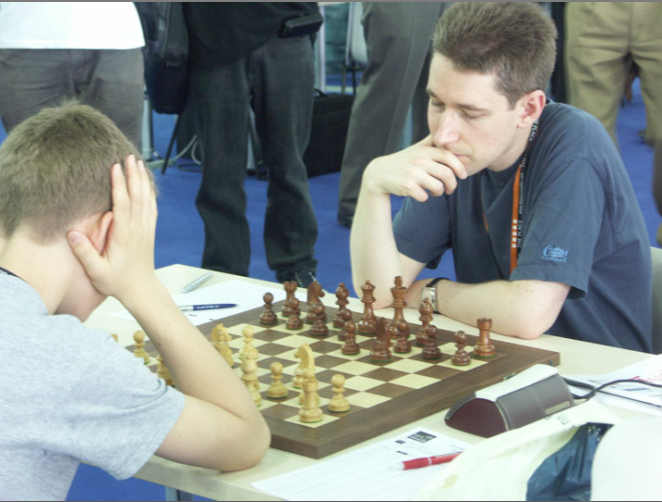
Below are some pictures of Adams-Carlsen (note to self: next time you see a prodigy, make sure you get a good picture of him/her; don't just concentrate on your players). I recommend looking at the game, both for the e6 Bd8 combinational phase and the subsequent grind.
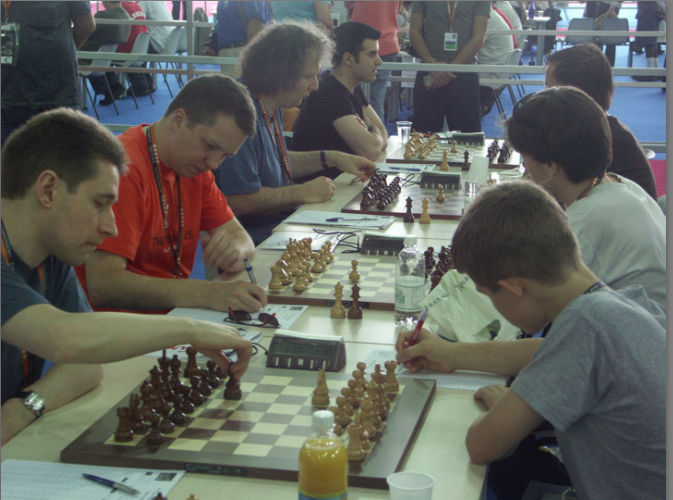
The trademark orange juice in full sight
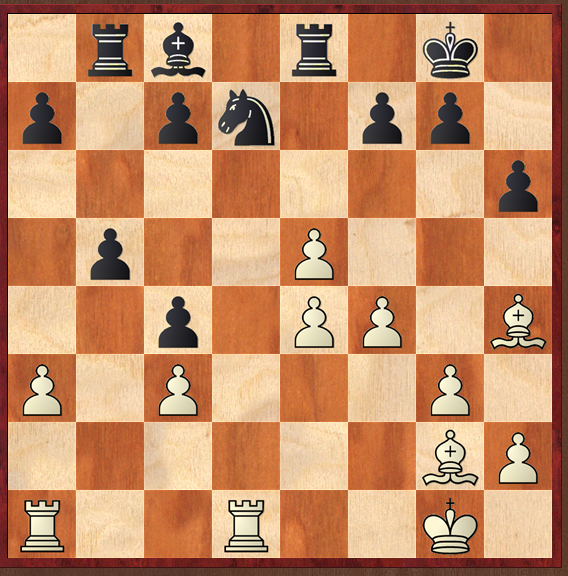
White's next move in the above position would never, ever, occur to me; and when it was played, I still had no idea what was going on.
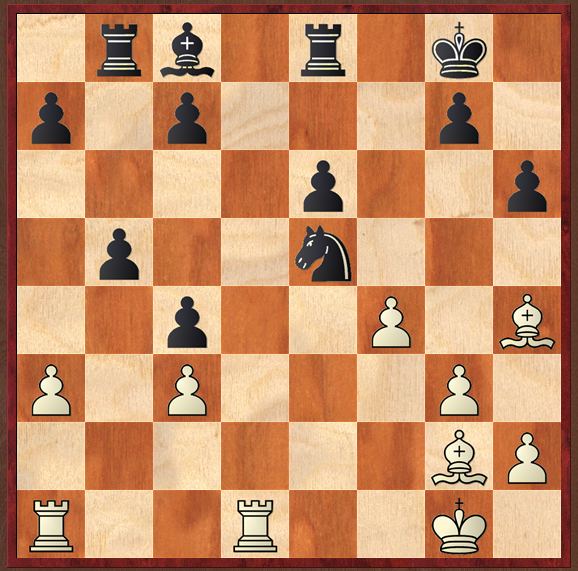
Here, I wondered if there was a technical melee, an explosion of the position, since if the N is captured, g5 wins the bishop.
But no, white plays Bd8!! and the point is revealed: white wins the exchange, his two bishops raking on the diagonals trapping the rook. Profound, brilliant, humbling.
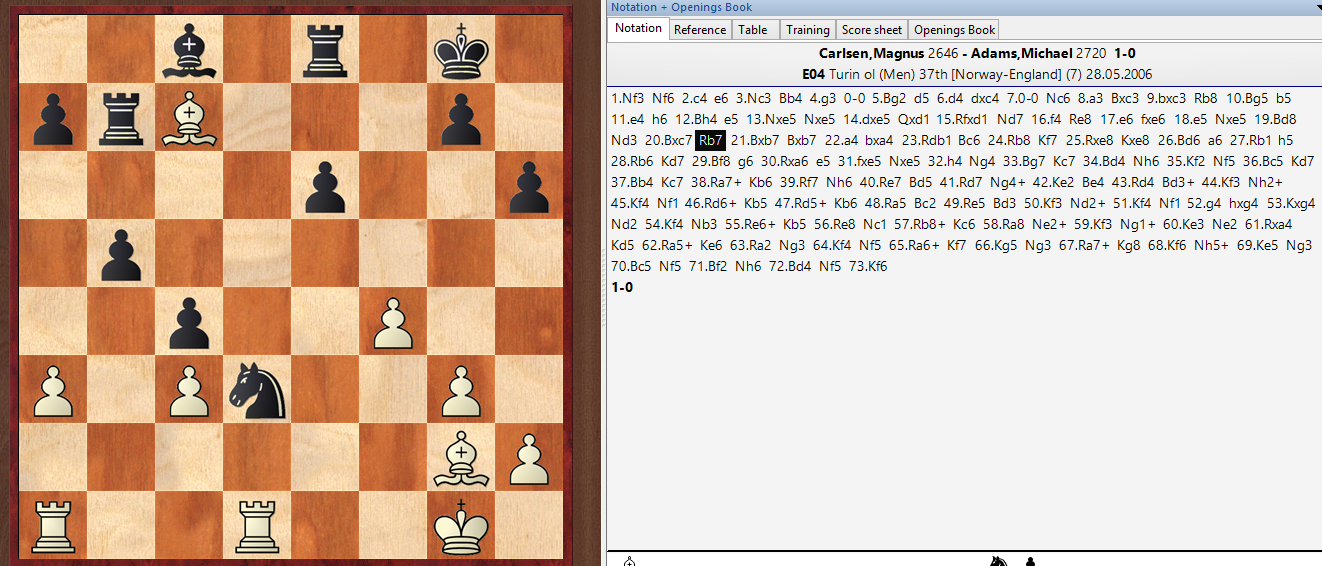
From here, I wasn't sure what the nature of the fight was. Of course, white is the exchange up, but black has a pawn for it, and the knight has a good outpost. The game went on and on, until it became clear Mickey was losing. I never asked him about the game afterwards, knowing that such defeats are mentally wounding, and all he mentioned was the effect on him of Bd8.
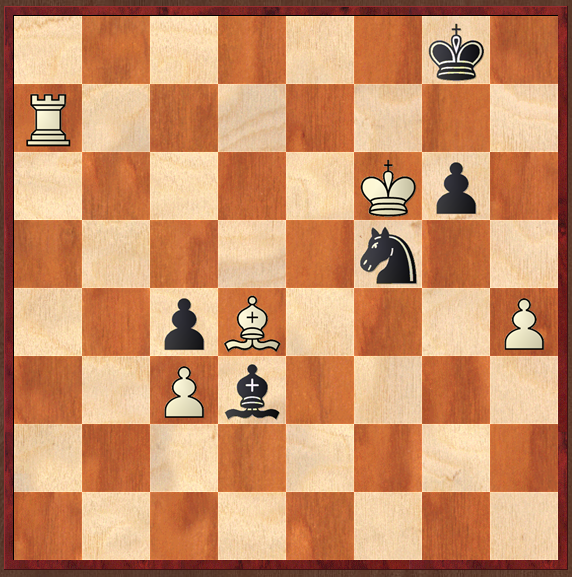
The final position.
 allanbeardsworth