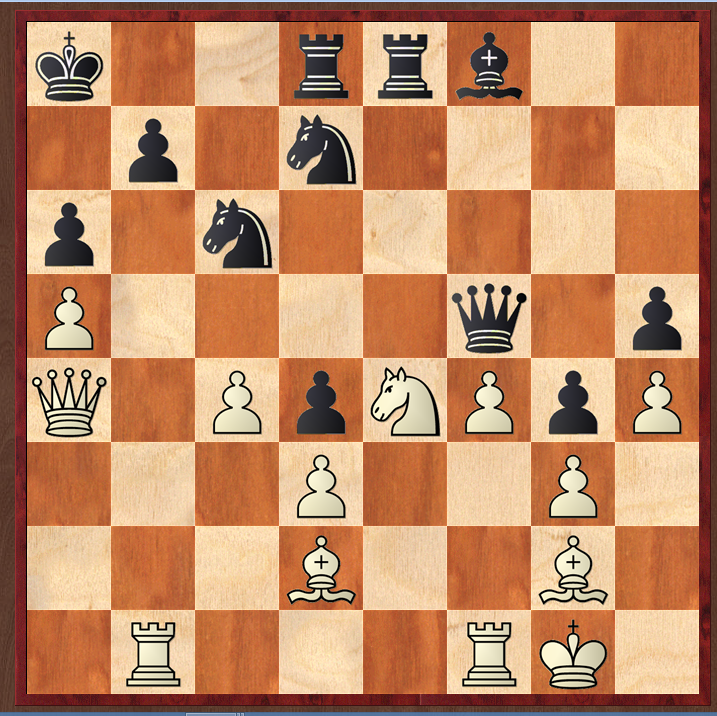
White to play and win
Solution
Fairly straightforward, though with two twists.
I instantly focussed on 1 Rb7, and quickly checked that it wins, either if black captures, when 2 Nd6+ followed by 3 Qc6, or if black doesn't capture, and tries to grovel out.
The first twist? When I switched on Houdini, it preferred 1 Nd6! with its point being that 1…Bd6 2 Qc6! is apparently forced mate, though to be honest, I am not sure that +12 (1 Nd6) is actually better than +10 (1 Rb7).
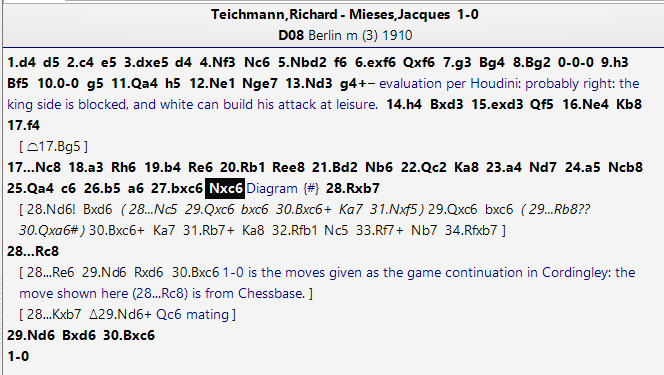
The second twist? Chessbase's game moves differ slightly from Cordingley's. Either could be correct.
 Posted with Blogsy
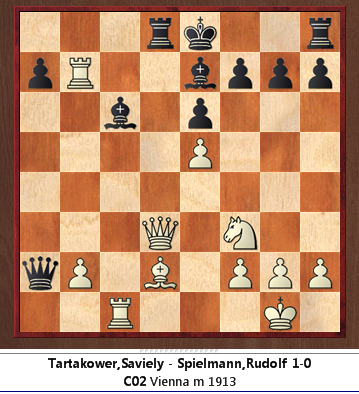
White to play and win
Solution
No prizes for getting white's first move correct: 1 Re7+ is obvious, and the only question is how to follow up. I quickly dismissed 2 Bg5+, since 2…f6, complicates, and eventually plumped for 2 Bb4+, thinking it worthwhile to keep the Rh8 out. Then 2….Ke8 3 Qc3 when 3…Qd5 [] 4 Qc6 and the ending is better for white.
Stockfish (on my iPad, writing this whilst away from my PC) prefers the immediate 2 Qc3, and of course, it is right: the Rh8 can't get out and Bb4+ only permits Rd1+ when white's pieces are tangled: but both lines lead to the same +- ending.
A few days ago I asked what the following, picked from our kitchen garden in Turkey, is.
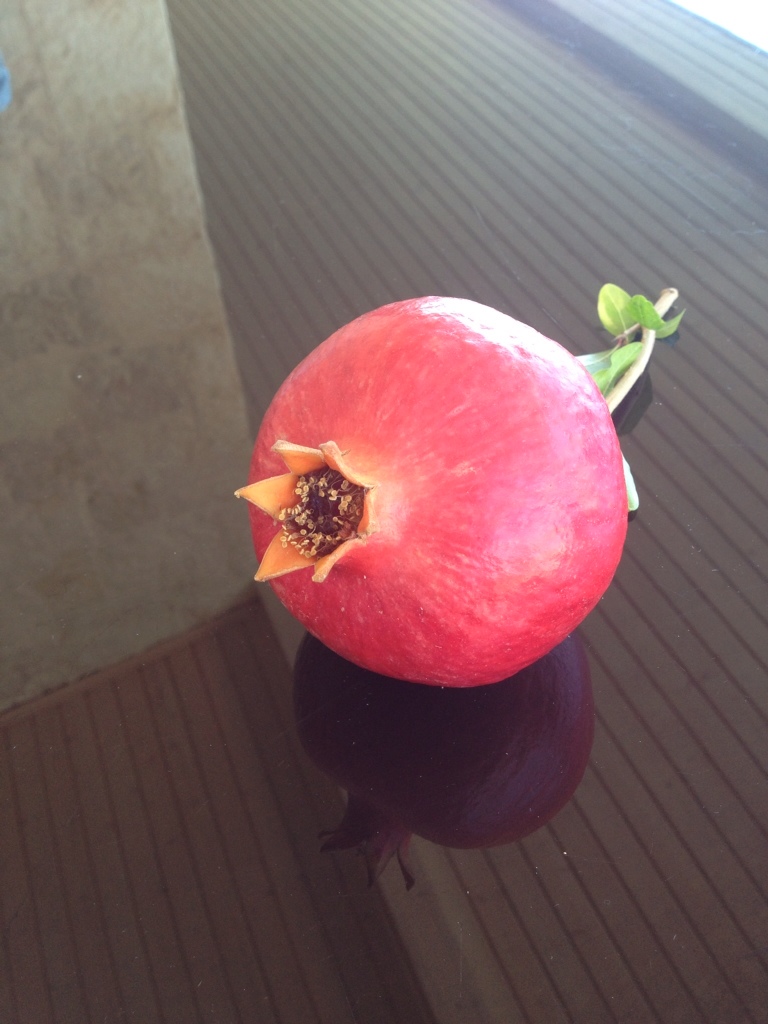
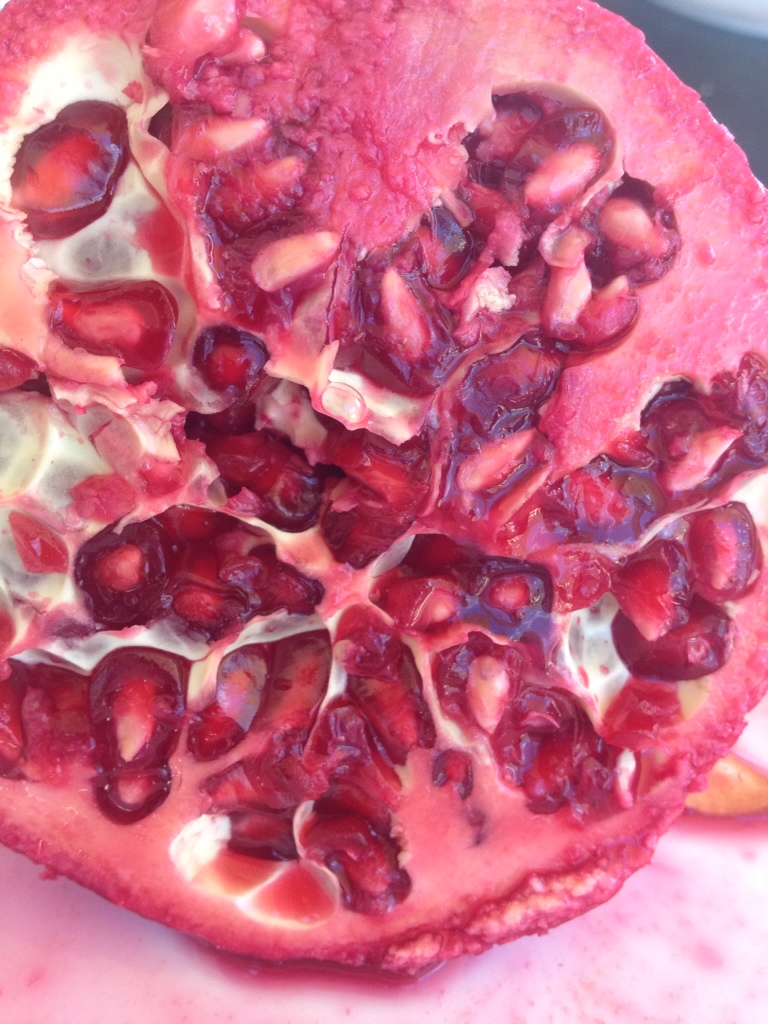
Ans: a pomegranate, and delicious it was too.
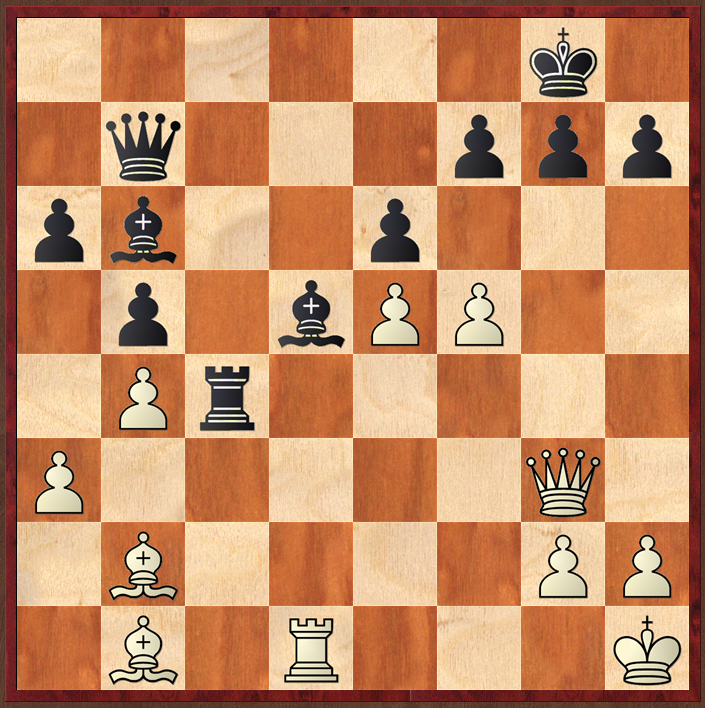
Black to play and win
Solution
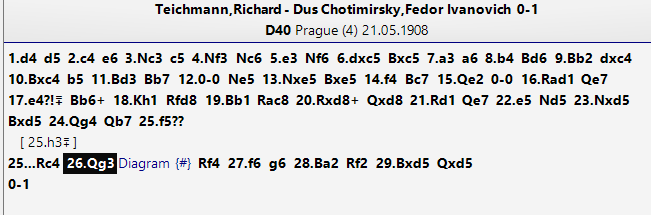
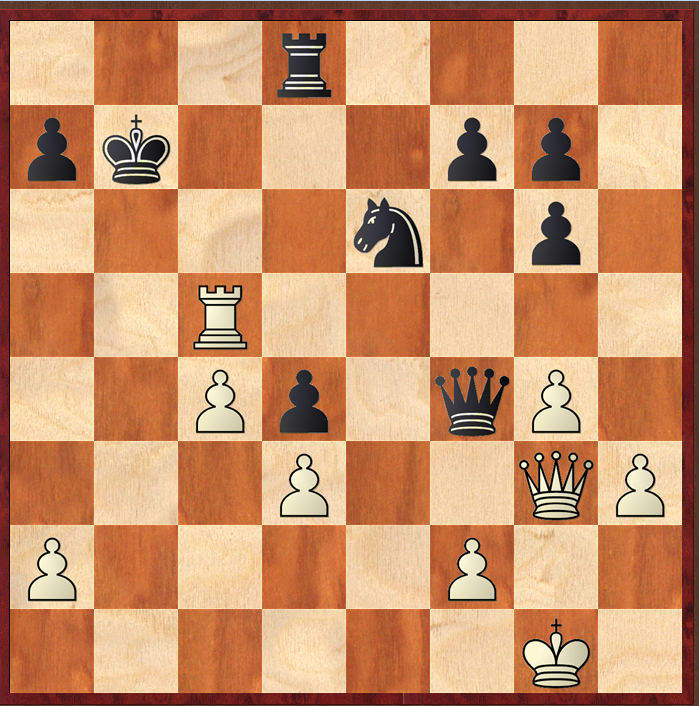
After yesterday's disaster, I straightforward one. At first I thought it was White to play and win, and couldn't find a convincing way to break through- largely because black's pieces are well placed, and g2 is weak, and also there are back rank motifs. So as soon as I checked the position and saw it was Black to play and win I instantly saw 1…Rf4! after which it is game over. Something comes to f2, probably the R, and white's choice is only how to lose.
White to play and win
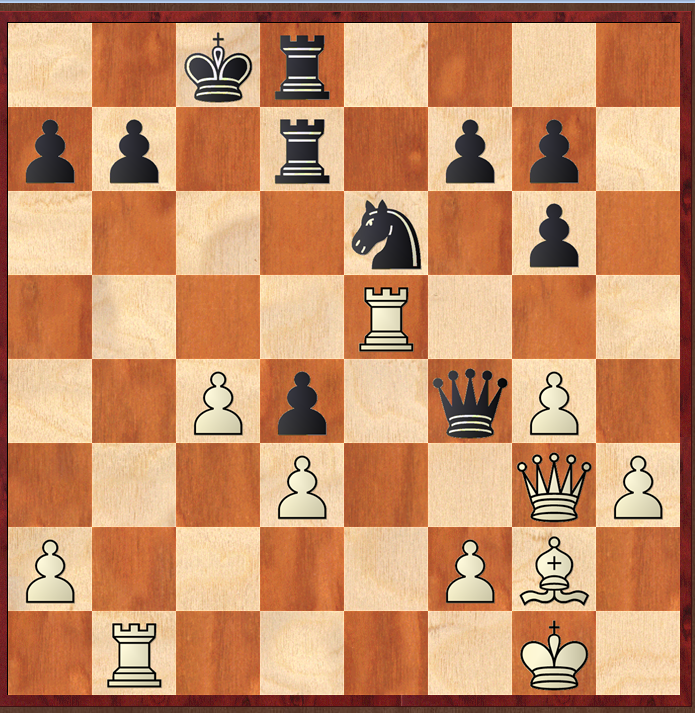
HINT: I messed this one up royally. This one hurts: I should have been able to solve it, and even set the pieces out on a board, and even moved them around, but …zilch.
Solution
When you know the solution, it isn't that hard: or maybe it is very hard, but it shouldn't have been impassible.
Clearly, in Purdy terms, the Ne6 is tied to the defence of the queen. So 1 Re6 is a natural first try, but after 1…Qg3 there is no zwischenzug and nor can the Qg3 be trapped. Also, 1 Rc5+ is another natural try, since it can't be taken because the knight is tied. Other tries include Rb7, Bb7; and things noted include the fact that the Qg3 can't go anywhere sensible, though if the Bg2 were moved, Qg2 becomes a possibility.
I even looked at 1 Qf4 Nf4 2 Bf1 with the idea of Kh2-g3, and this is what I would have played in a game, but 2…f6 and 3…g5 secure black's knight's fine posting.
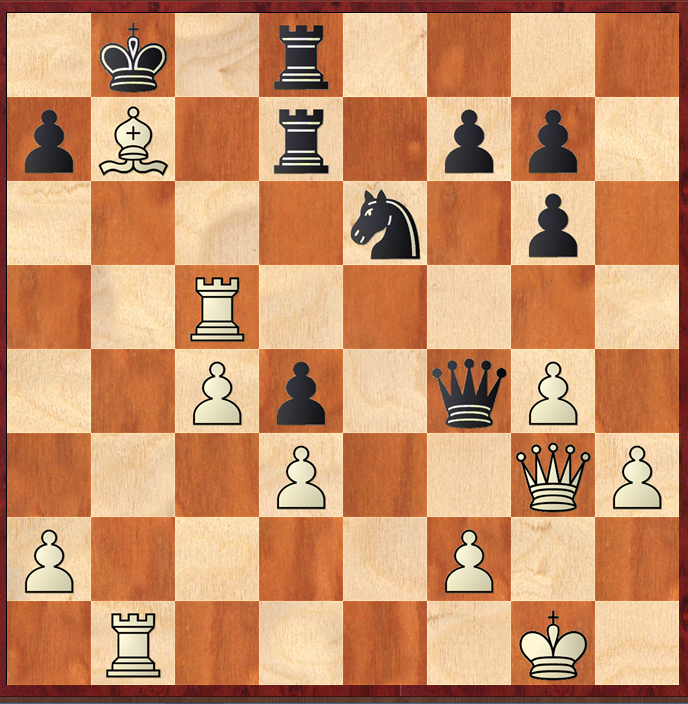
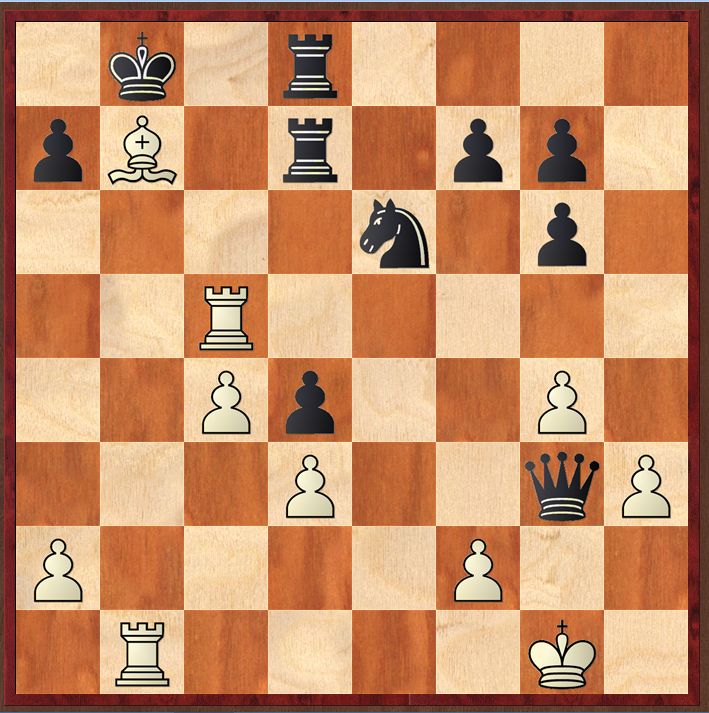
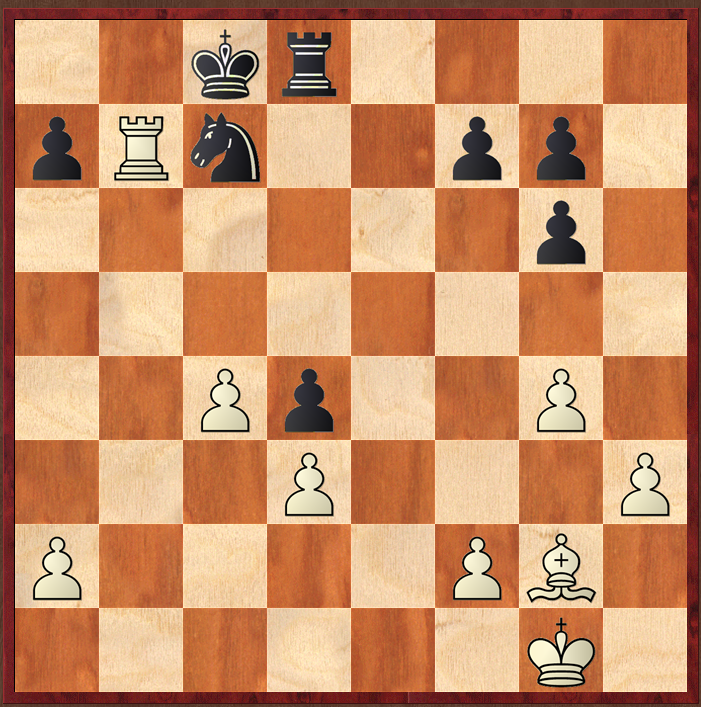
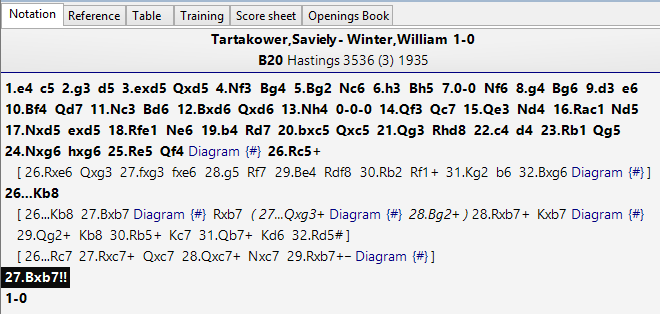
So, switch in Houdini, and in less than a second, 1 Rc5+! when Kb8 is the main move (1…Rc7 2 Rc7+ and 3 Rb7+). And then 2 Bb7!! which I just didn't get (I do now). The first cute point, and the impossible to see backward move, is 2…Qg3+ Bg2+!; and if 2…Rb7 3 Rb7+ Kb7 4 Qg2+! (the second backward move) and white mates with a white square attack.
Alas, I saw all these possibilities, including the move of the Q to the h1a8 diagonal, but couldn't put them all together. I think this problem, of all the puzzles so far in Cordingley, hurts the most. I was capable of solving it, particularly because I had 1 Rc5+ Kb8 on the board (but didn't see 2 Bb7), but simply had no ideas, or not enough imagination.
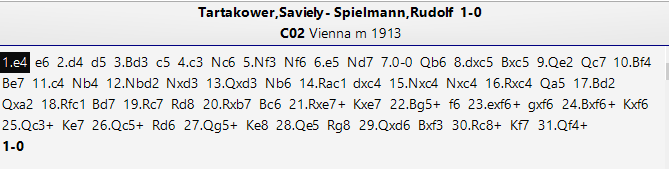
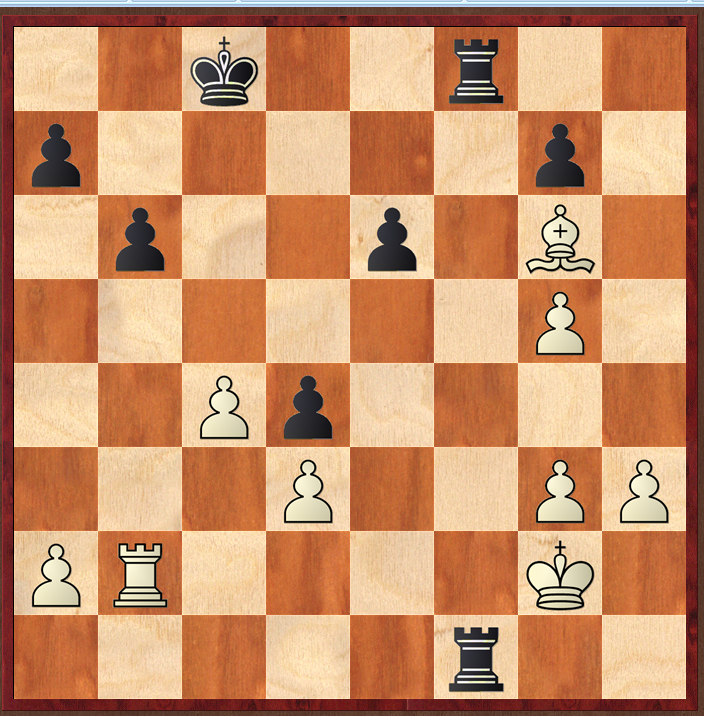
The diagrams below show some of the positions, starting with the line I chose as my 'solution' before looking at the answer. I decided upon 1 Re6, reasoning that white might have something in the ending, my main line being 1…Qg3 2 fg fe 3 g5 Rf8 4 Be4 Rf7 5 Rb2 when white picks up the g6 pawn, and will then advance his g and h pawns. From my analysis on the board, I couldn't see a way black could get his rooks it the game.
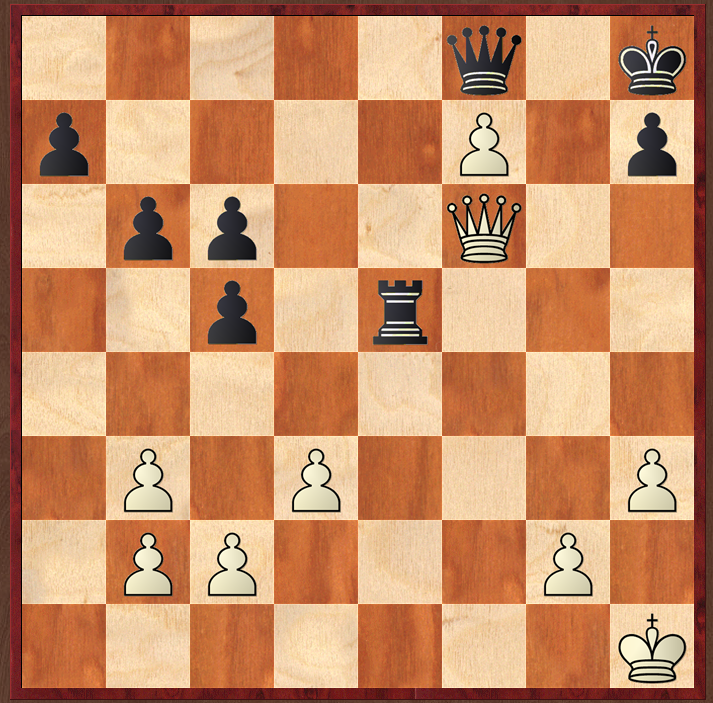
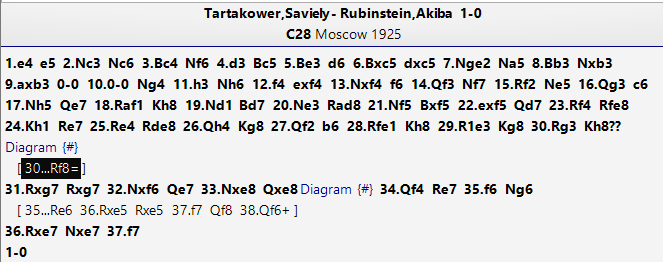
But well done Tartakower, even if he did beat a Brit, and even if he did so in England.
I am sending this blog from the verandah of our villa in Kas, Turkey. In our garden we have a bush with dozens of these fruits on.
What are they?
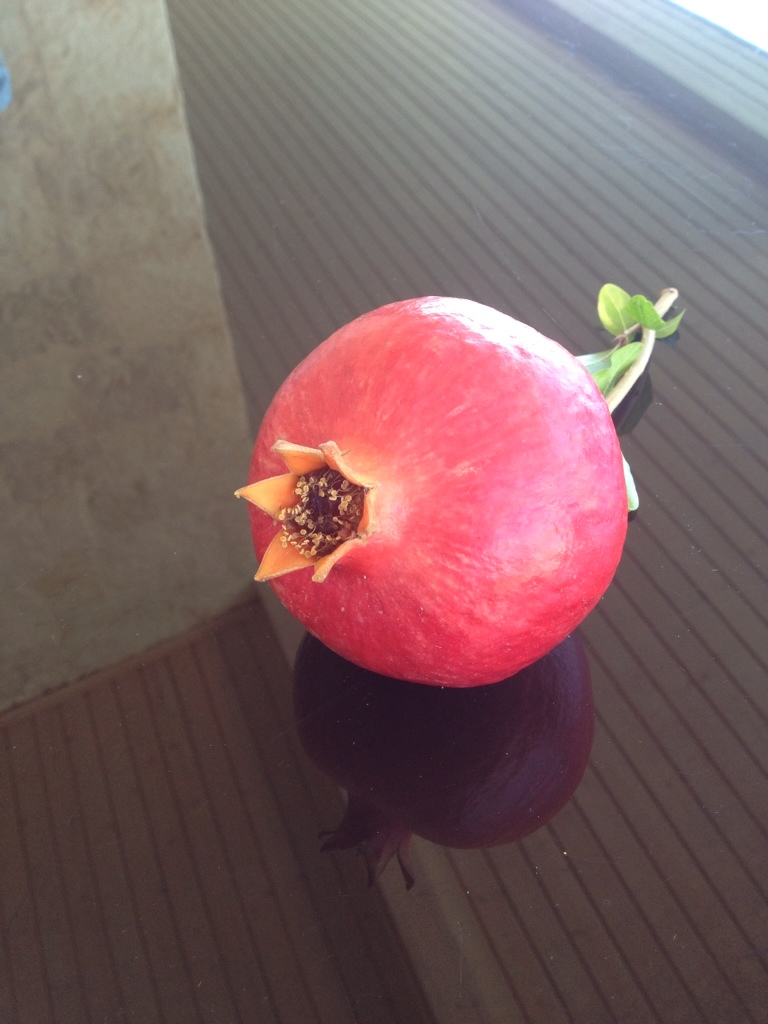
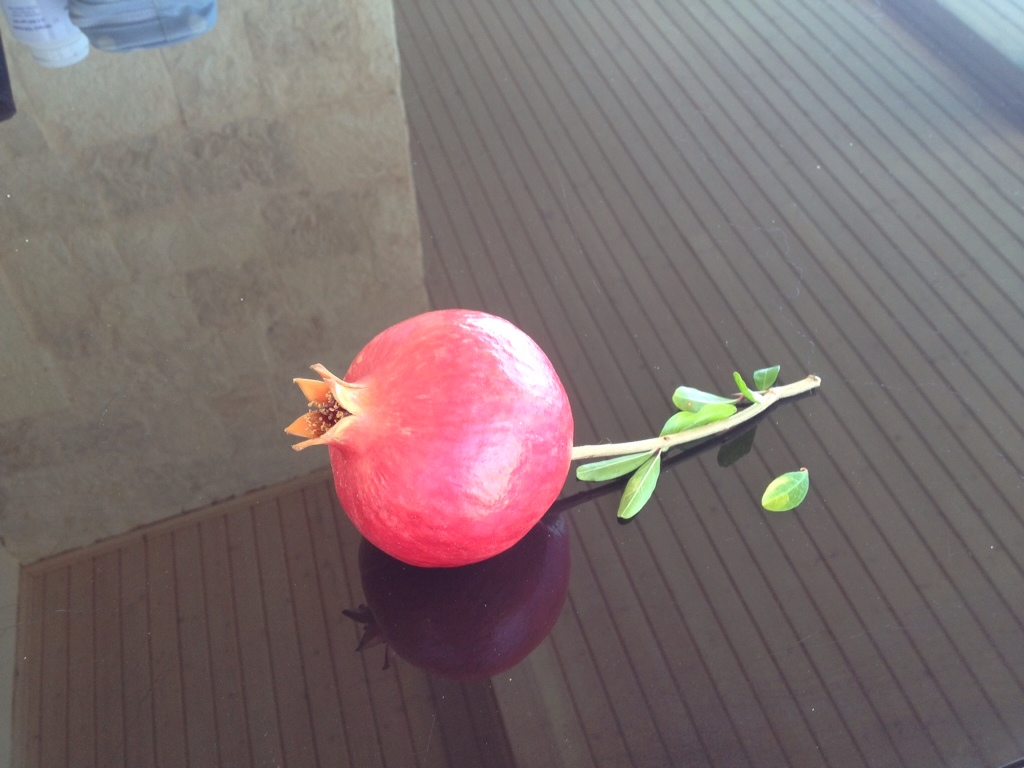
I will post the answer in a few days, and will also include in the posting a picture of it cut open.
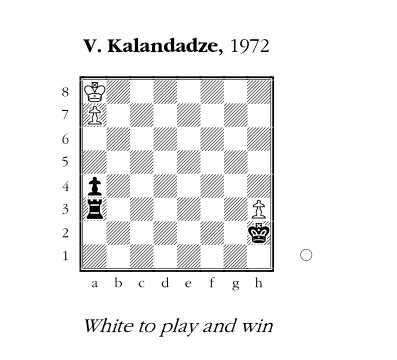
We flew out for a week's holiday to our villa in Kas, Turkey, yesterday. In my flight bag I had the following puzzle from Chess Today issue 4701. The puzzle had stumped me initially, and stumped me again on the plane, but I refused to give up and eventually was rewarded with the eureka! moment.
As my children would say, this puzzle is well good.
Solution
First try is to bring the king out and towards the pawn. 1 Kb7 Rb3+ 2 Kc6 Rc3+ 3 Kb5?? Rc8 -+. Black rook is in time to pick up the a7 pawn when the win is trivial.
Next try is to try to tuck the king away at a6. 1 Kb7 Rb3+ 2 Ka6 but alas black's pawn is too far advanced, and whilst white promotes first, the Queen is stuck on a8, no checks (other than Qb8+ when it will be captured), so white is mated.
Third try is to wander over to the h file, keeping on the 7th or 8th ranks: but black's rook can carry on checking and no good appears to have done….
Fourth and fifth and sixth tries are to do the first three tries again, seeing what I might have missed. Does the second try definitely lose? Yes….should I give up?….no….and then the moment of inspiration:
Wander the king to the h file, forcing black's rook to take the h3 pawn (realise that is why the h3 pawn exists, it being a study); wander all the way back to b7, tuck the king into a6 and, bingo!, when the white queen promotes it can now check on h8: the king's protecting umbrella, the Ph3, has gone.
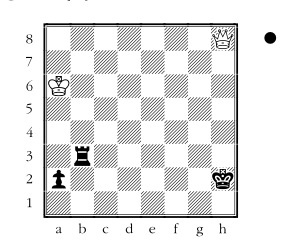
This position is a Tablebase win. White puts his queen initially on a1 and then wins the rook by forcing it to a square where it is vulnerable to a checking fork: LPDO.
A very satisfying puzzle to have solved.
White to play and win
Solution
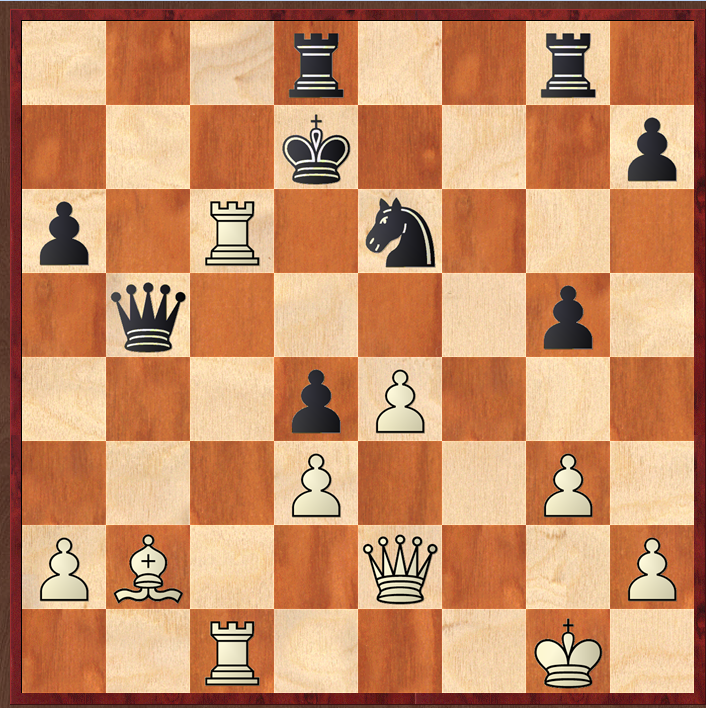
No prizes for guessing the first move (1 Re6) though Houdini tells me that 1 Qh5 and 1 Qg4 are very strong. Similarly, 1…Ke6 2 Qg4+ are obvious, but then there was branching.
The easiest king moves to defeat are Kd6, Ke5, Ke7: the bishop typically comes to a3 and the rook and queen do the rest: but I should say I took more time than I should have going through each route. These then left Kf7 and Kf6, both met by 3 Rf1+ (though 2…Kf7 also gives white the alternative 3 Rc7+) and then it is a choice between Kg7 and Kg6, the former being intuitively (and actually) better. 3…Kg6 loses either to 4 Rf5 or 4 Qe6+ Kh5[] 5 Rf6 mating, so only 3…Kg7 matters.
And I fluffed it, at least in my head from the initial position, thinking that 4 Rf5? won, but 4…Qb6 defends, when the ending is unclear. Whether had I had the position on the board after 3…Kg6 I would have found 4 Qe6+ ( I suspect I would, it is an obvious check) but for the puzzle itself, I don't get top marks- and should have been able to, the exercise is good but not too hard.
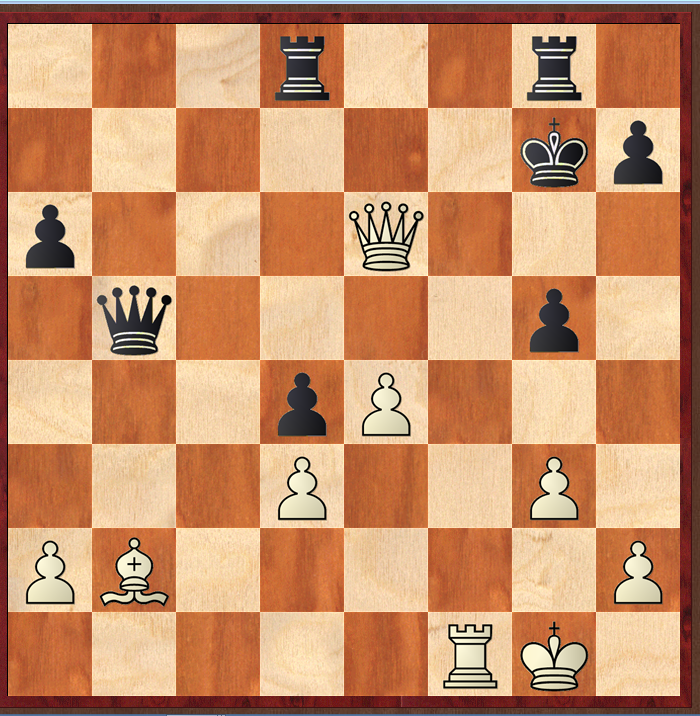
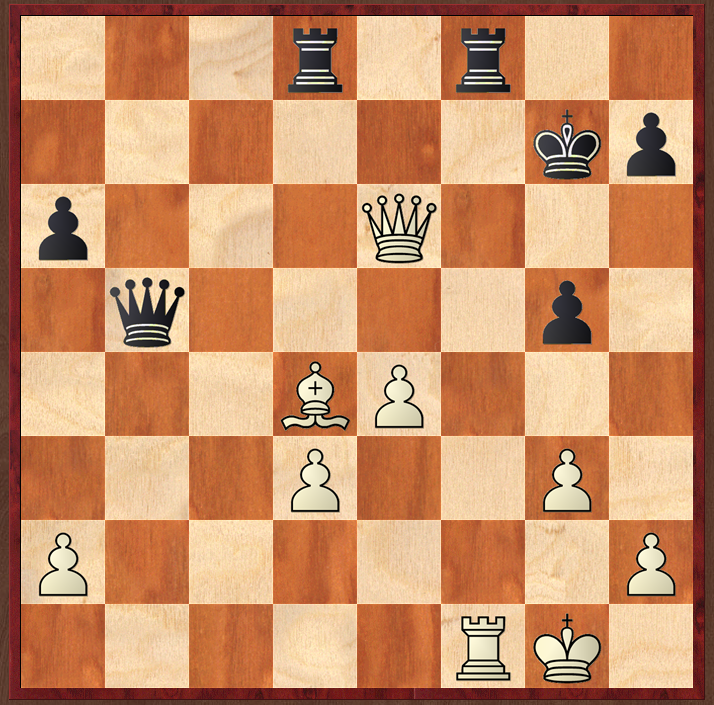
There is the nice point that (4 Qe6+ Kg7) 5 Bd4+! Rd4 shows that the Rd8 had the function of defending the Rd8, which falls off after 5 Qe7+.
Solution
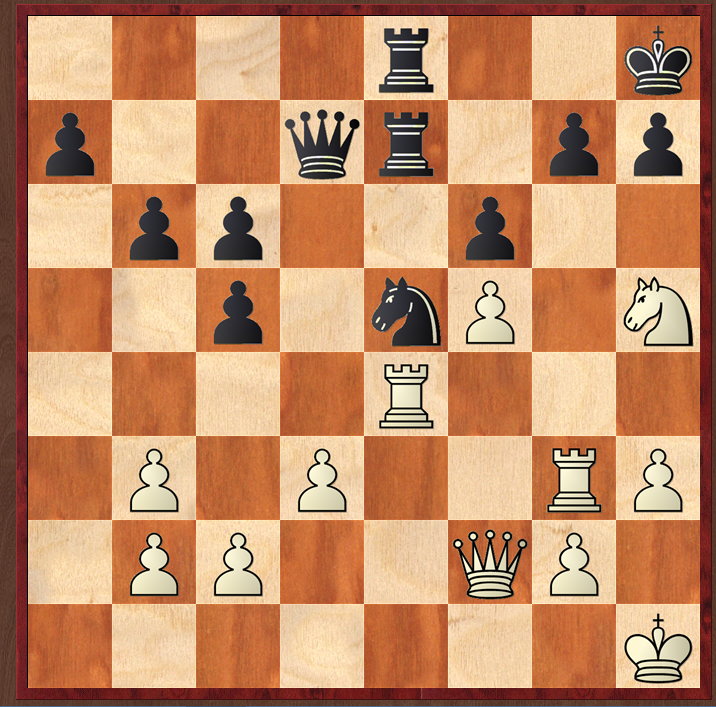
This one is a good exercise
I found this problem harder than it should have been. I don't know quite how my thoughts went- this was a puzzle I had to keep returning to, but I am sure that in my initial appraisal I looked at moves such as 1 Ng7, 1 Nf6, 1 Rg7, 1 Rge3, 1 b4, the latter two trying to make something of the 'pin' on the e file (even Alekhin's gun Re3 Re2 Qe1 came to mind), the others trying to back rank mate.
But nothing seemed to work. Until I saw that 1 Rg7 Rg7 2 Nf6! crashed through, and then I knew that only some checking and calculation was needed.
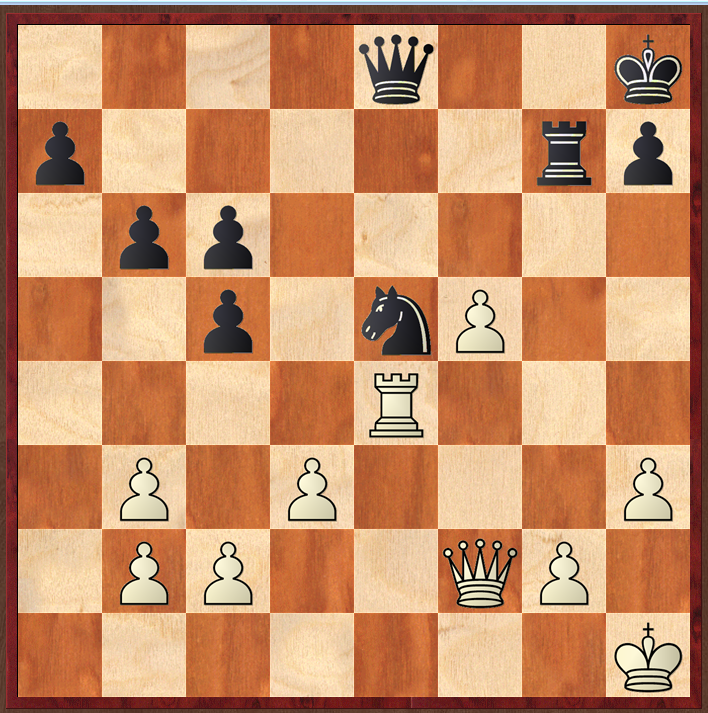
It is fairly easy to get to this position in one's mind- after 2 Nf6, Q somewhere, 3 Ne8 Qe8, but then what? My first thought, harking to the pin on the e-file and Alekhin's gun, was 4 Qe3, which gives some advantage, as does 4 d4, but then I saw 4 Qf4! which is far stronger in the critical line. 4…Re7 [] 5 f6 Re6[] 6 Re5! Re5 [] 7 f7! and Qf6+ is terminal, whether or not black inserts Re1+.
White to play and win
Solution
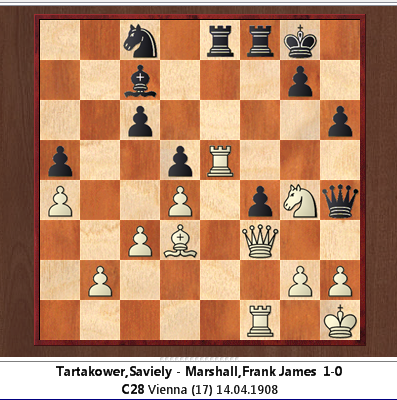
200, being a round number, makes this puzzle special, and I didn't want to mess it up. Fortunately, it is relatively easy; more fortunately, I didn't end with the obvious and good 1 Rh5, but looked for a better move.
So, firstly. 1 Rh5 is the move that comes immediately to mind, biffing the queen. If the queen captures the rook, then 2 Nf6+ wins it, but the game still has to be won: so there is a need to look for something better; but also first noting that if 1…Qd8 2 Nh6+ and 3 Qg4+ is going to be nasty.
Seeing the queen is in a net, 1 g3! was my second thought, quickly noting that 1…fg?? loses to Re8, Qf7+, Qe8 mate; so the only moves which have to looked at are 1…Qh3 and 1…Qd8. I dealt with the second first: the Nh6+ sac and Qg4+ follow up are terminal: black either interposes his queen on g5 when it is trivial, or moves Kh8 when 4 Qg6 is likewise game over: not hard to calculate how to defeat black's various tries.
So, all that remains is 1…Qh3 when 2 Rh5 is good enough, but better to exchange on e8 and then play 3 Bf5 when black must move his king to avoid Nf6+ (discovering an attack on his queen) when 4 Ne3 wins at least the exchange.
In the game, Tartakower played 1 Rh5, which is not Houdini's first or second move: it gives 1 g3 as +4.4, 1 Re8 as +2.9; after 1 Rh5 it recommends taking the rook, 1.5, compared with the move Marshall played, 2.9.
 allanbeardsworth