I liked this cartoon in the Independent.
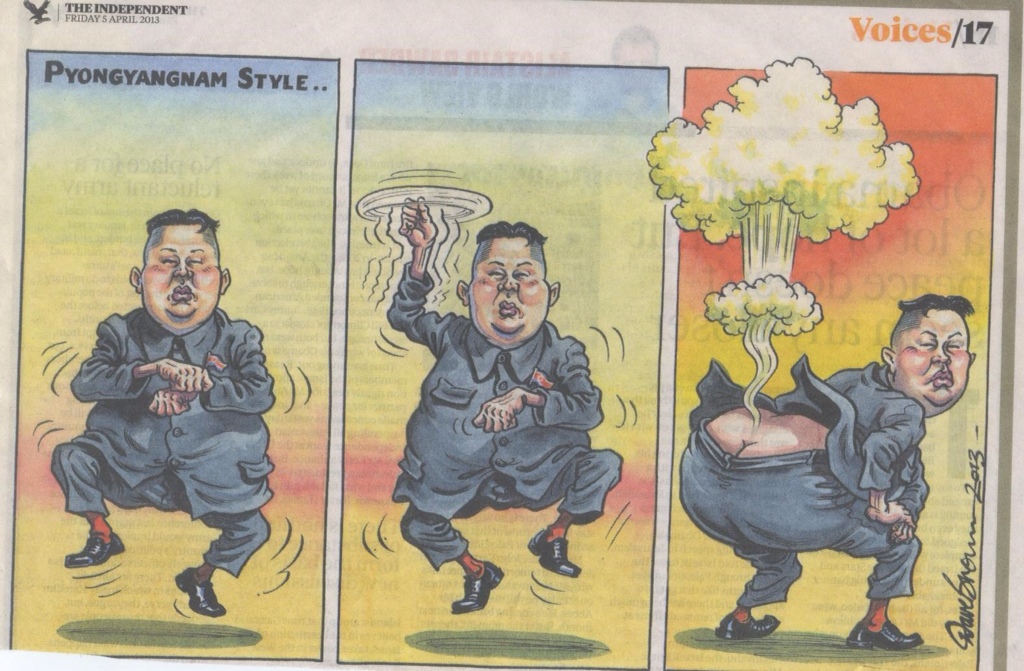
I hope we will all still find it funny in a week's time, in a month's time, and in the year's to come.
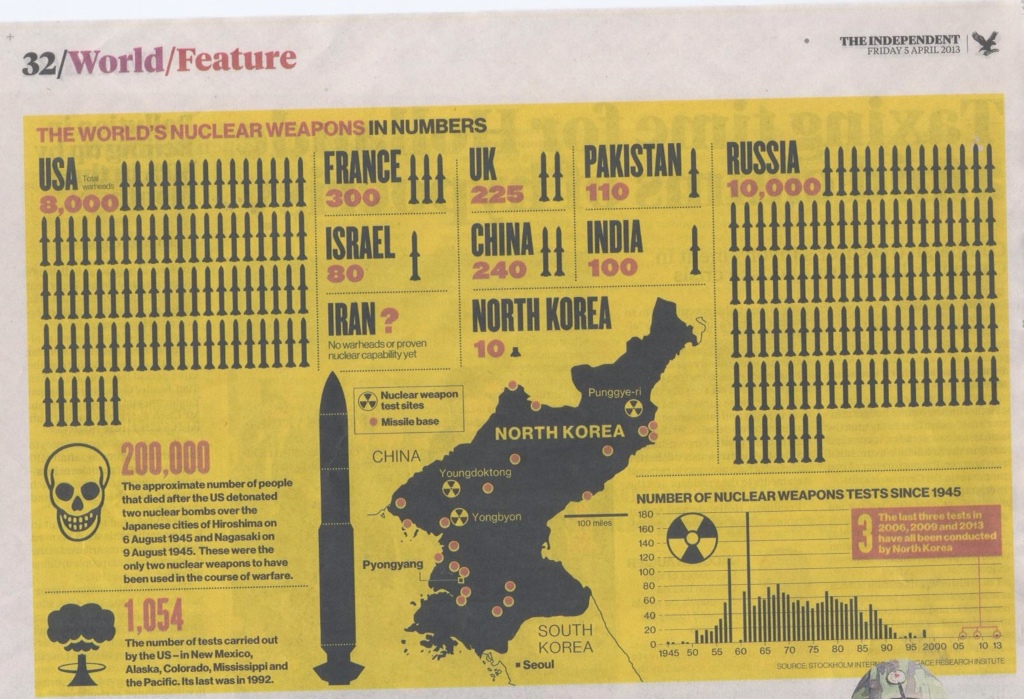
It all makes me think of the Cuban missile crisis – Wikipedia, the free encyclopedia. I was just born when this happened, October 1962. I wonder if the cartoonists of 1962 made light of the matter?
My predictions:
(1) the cartoonist is right;
(2) gangnam style dancing will last, and will be a feature of parties for decades to come. And yes, Tom,Alice and Sophie, your parents have danced gangnam style; and yes, I believe the recent party where we did this was videoed, and no, I don't have the YouTube link.
 Posted with Blogsy
White to play and win
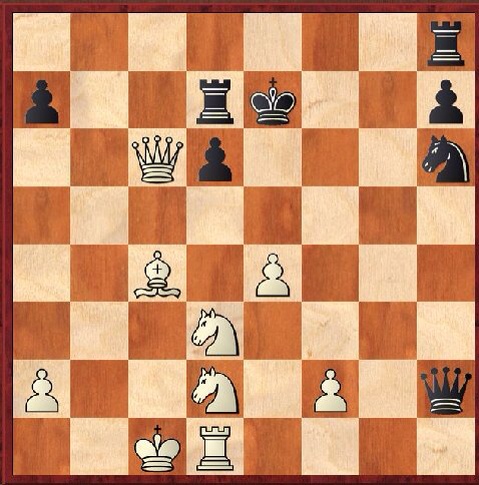
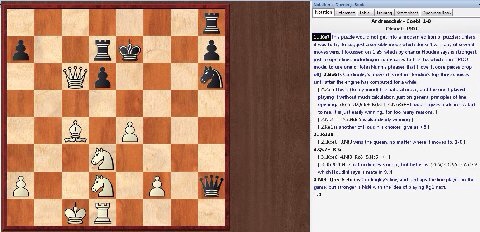
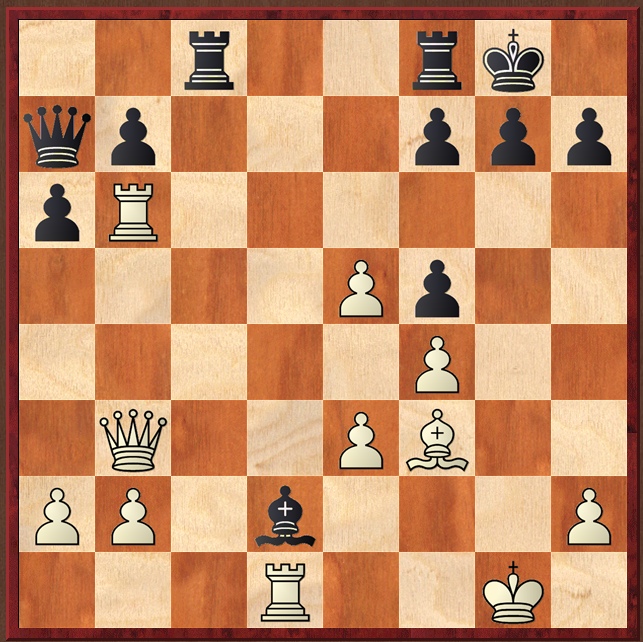
Black to play
Solution
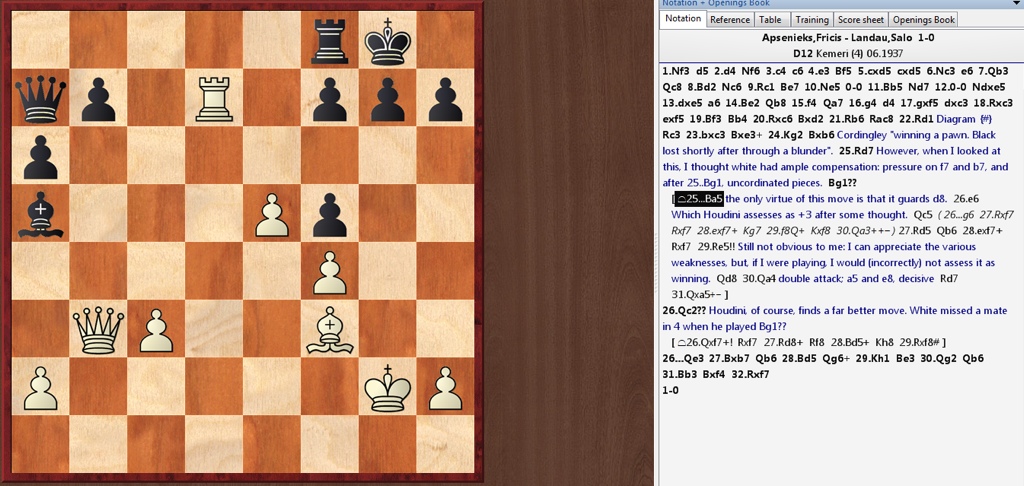
This problem is more interesting, but in the sense flawed. It is flawed in two senses: one which was obvious to me, and one which Houdini then surprised me with.
The idea behind the so-called solution is pretty obvious. Black is in a tight position, with his bishop attacked, b7 pawn under pressure, and Q shut out. His only hope is the combined pressure of Q and B on e3, so Rc3 was a fairly straightforward find. But all it is really is a mini-combination, and to me it was fairly obvious that at the end, with bishop on b6, R on d7, white has strong and well coordinated pieces, with an attack on the white squares. What was surprising was that a moment later, black's attempt for activity with Bg1, permits a surprise mate in four: I can't tell whether I would have found it, with such things as clock pressure and match nerves playing their part, but I could well have done: white's action as I say is all white squared. Cordingley's comment that black's Rc3 would have won, but for a later blunder, is incorrect, for both human and silicon reasons.
Just waking up to my working day, reading an article on Government finances in Tax Journal. Looked at a table of key Office for Budget Responsibility forecasts for the current and next five years. Growth improves in a few years time, and public sector net borrowing also falls rapidly in three or four years time. Next table was cynically-adjusted current budget balance; until my blurry fifty year old eyes re-read it, as cyclically adjusted.
Or was I right first time?
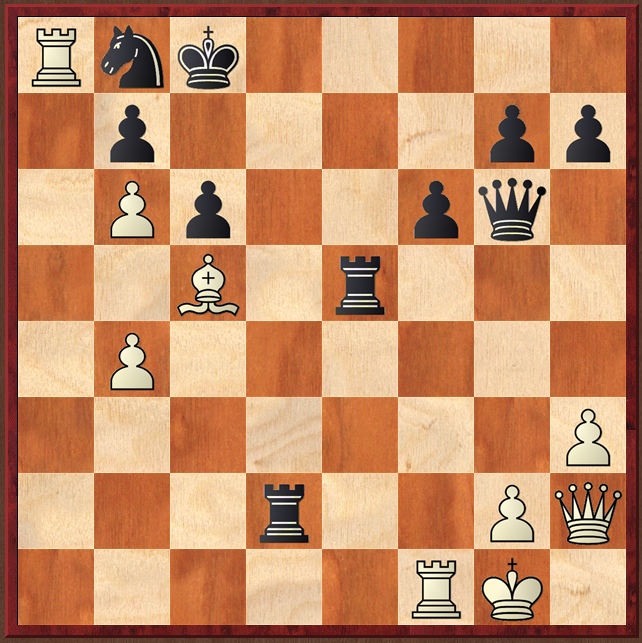
A well known problem, from Alekhine- Reschevsky, Kemeri 1937.
Solution
The solution is obvious, especially if, like me, you have seen the position before: one of those standard positions which you see so often they become committed to memory, or part of your chess wisdom.
Talking of wisdom, I wasn't so wise when I said, in an earlier blog, that the puzzles in Cordingley's book were in random order, also saying the fact that they weren't themed appealed to me. That latter part is true, they aren't themed, but the puzzles aren't in random order, but are in the should have been fairly obvious alphabetical order by white's name.
What is surprising, for a book published in 1944, which was towards the end of Alekhine's career, was that only one of his white games is included. Maybe though it is not surprising, if Cordingley felt that Alekhine has Nazi sympathies; I have no idea if this might have been known or thought at the time; or maybe Cordingley's selection rationale was more prosaic, to exclude well known examples: he says as such in his preface.
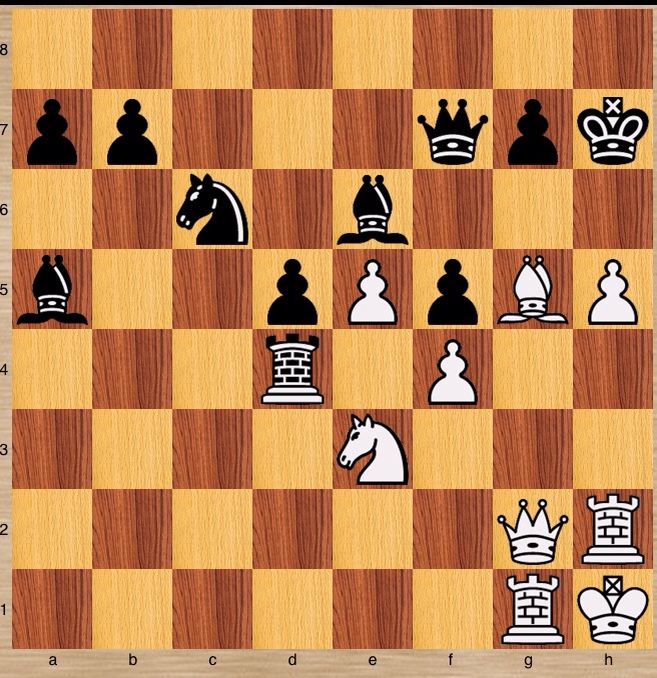
Albin-Steinitz, Nuremberg, 1896. White to play and win
Solution
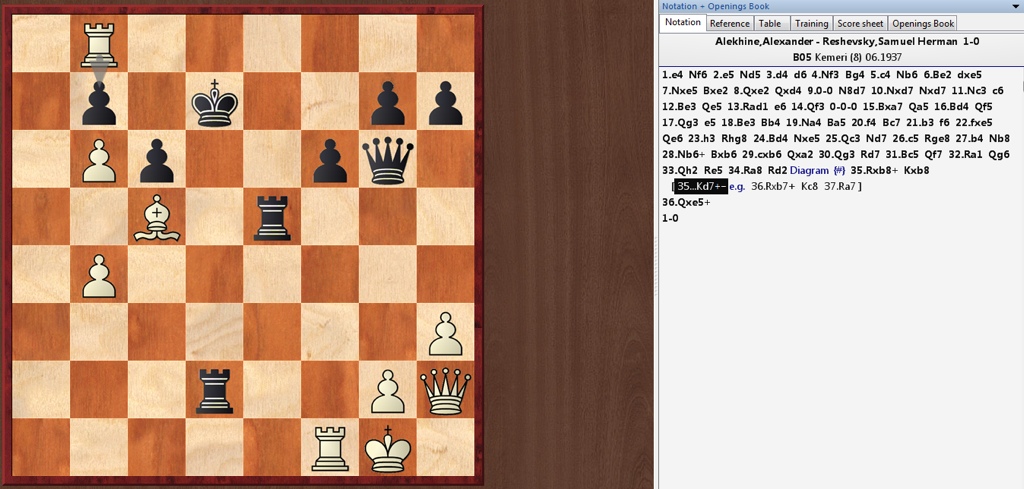
I think this one is fairly straightforward, or at least the first move, and then there is some calculation. 1 Bf6 after which Steinitz lost after 1…Rd3, 2 Qg7+, exchanged, and took on b7 1-0.
Cordingley gives 1…f6 as a sideline, though it was the only move I bothered to calculate, and, again, the move I wanted to play 'by hand' 2 Qg6+ is best; 2… Qg6 3 hg Kg7! 4 Rh7+ Kg8 5 ef and the pawn queens. However, Cordingley gives (1…f6) 2 h6, but this is far weaker, not after his 2… Rf4?, but 2…Rd2! when the standard Qg7+ plan doesn't work, because black has Rh2+ after hg+. So instead something like 3 Qh3 and, to quote Jon Speelman, 'the game goes on', or to further quote him, 'with a mess'.
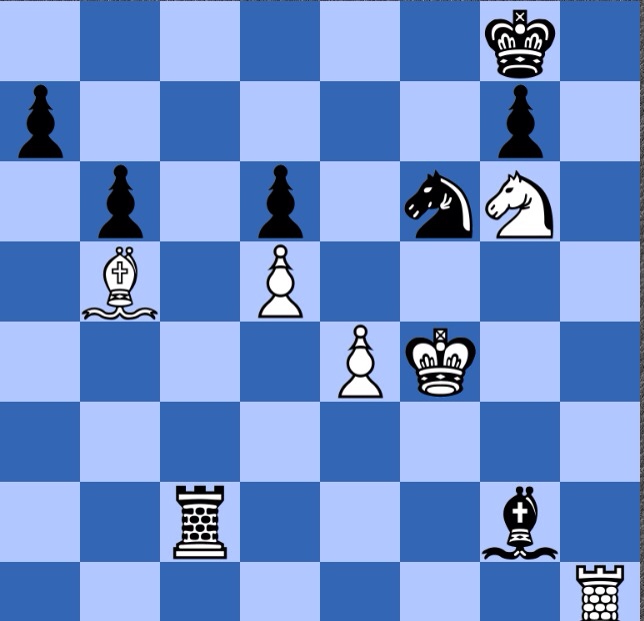
Thanks to Edward Winter, whose chess notes website is pre-eminent for chess history, I've learnt that the position on the front cover of Cordingley's book is from a game played in 1936.
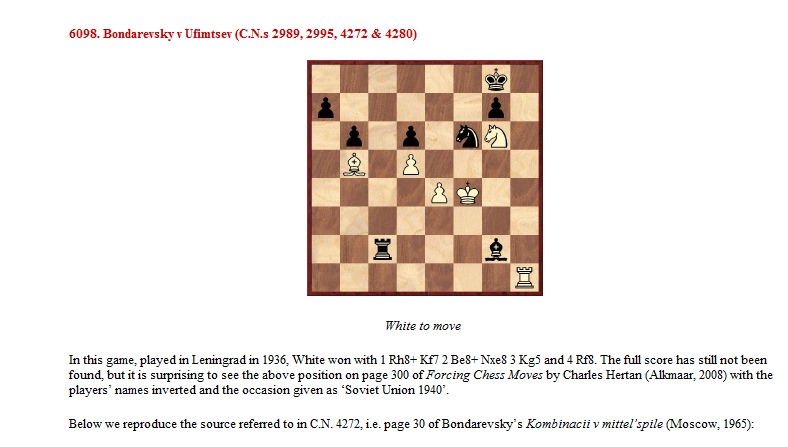
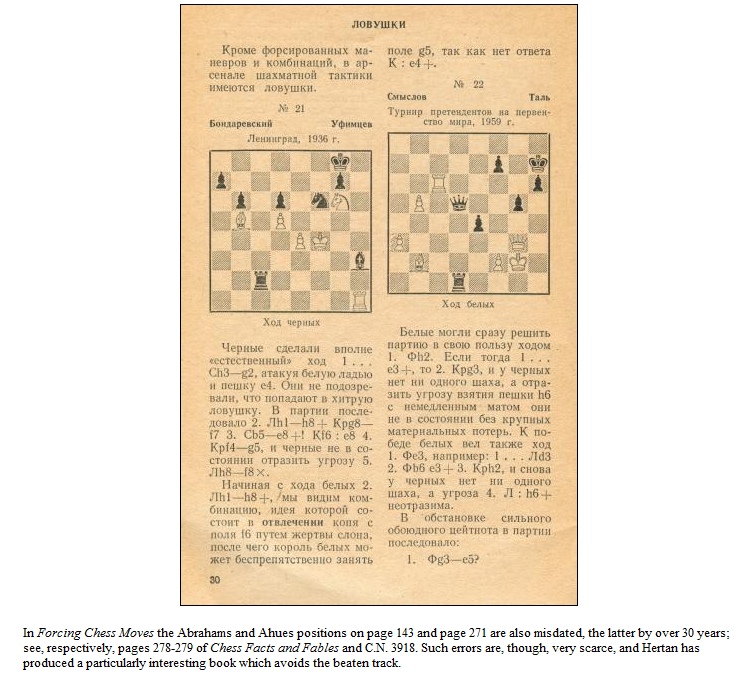
In an earlier Chess Notes, Edward asks his readers if anyone has the full game score, because the position does have some feel of being composed. No-one answered his query; when I looked in Megabase, there is no such game in it, but maybe someone one day will find the moves, and be able to confirm it was an actual game played.
When I first saw the authenticity being questioned, it centred on all the pieces being in perfect positions for a study like position, including in particular the B on g2, which prevents Rg2+ after Kg5: but seeing the above page, there is logic in moving the attacked B from h3, to g2, where it attacks the e4, and the finish, with the deflecting sacrifice Be8+! would have been hard for black to foresee.
A great deal will be written in the coming days and weeks about the Candidates Tournament which ended yesterday. I fully agree with many of the comments made yesterday, that it was truly one of the most memorable events in modern chess history.
For sheer drama, it couldn't have been surpassed.
And if you had said at the start of the final round, on 1st April, what the results of the two leading games would be that evening, it would be regarded as a poor April Fool’s prank.
Chessbase gave various statistical analyses during the tournament, particularly the last few days. Before Carlsen's loss to Ivanchuk, he was 87% to win; after that loss, Kramnik was 65% to win, before Magnus equalised by beating Radjabov in round 13. So before the last round, the odds were:

I didn't check these figures, knowing (giving their source) they would be right, but did sense check Kramnik's chance of winning: 24.1% of him winning multiplied by Carlsen's chances of drawing or losing, plus 63.8% chance of him winning, times Carlsen's remote (2.2%) chance of losing.
I also noted the disparity of Carlsen's winning chances compared with Vladimir's, which must be a combination of Carlsen being white, and also the specific pairings: and similarly for their chances of loss.
Lightning struck both chessboards yesterday: both lose, a 0.27% chance. A bookmaker would have given 372:1 odds on this, but it happened.
Today, I will start a project, which I hope to finish. I plan to blog each day from now on, each time giving a problem from EGR Cordingley's ' The Next Move is'.
My aim is that the blogging commitment to post each day will give be impetus to spend at least some time problem solving, trying to improve my chess; rather than 3min blitz chess being my daily regimen (think of it as a type of diet, a plan to do good).
EGR's book has a great, unnatural appeal to me: unnatural in the sense that it is an old (1944) book, pre computer era, so some of the problems are bound to be weak: I know this already, from those that I have attempted over the years. But finding the faults is part of the appeal: there is nothing to find say in John Nunn's puzzle books, though doubtless they are a 'better' set of problems.
Another appeal of EGR's book is that every fifth position is given in FEN notation, rather than as a diagram, to limit paper usage: due to war time restrictions on publishers. I find the idea of having to set up the pieces or otherwise create the diagram appealing.
Two further reasons why EGR is one of my favourite books: my copy was bought second hand, I think at a Stockport Rapidplay bookstore some years back, and the inner front sheet has an inscription ' Many Happy Returns, April 11th 1944, with a name which I can't decipher: but the fact that someone's wartime birthday was cheered by this book has sentimental value. Finally, the book is addressed by EGR to the John Lewis Partnership in appreciation of its services to chess and in memory of the late national chess centre: two facts which I plan to investigate.
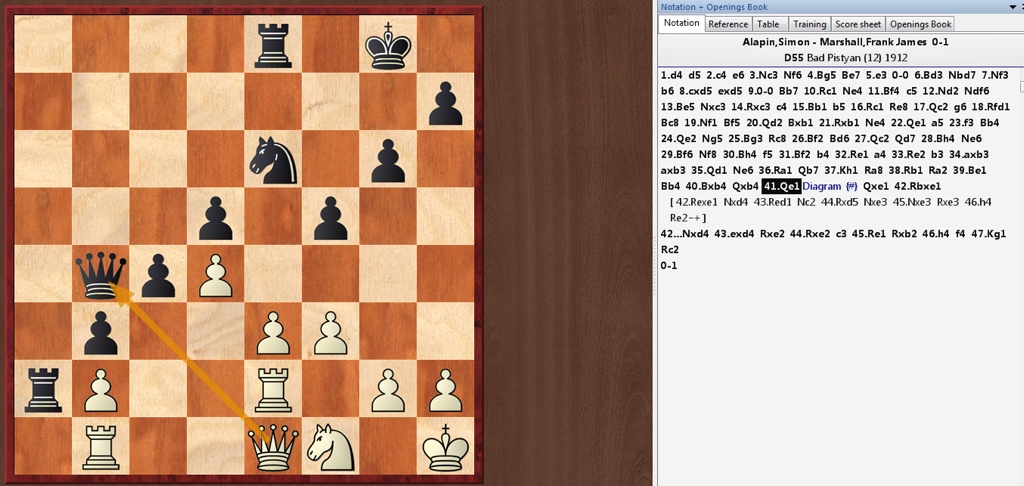
Puzzle 1
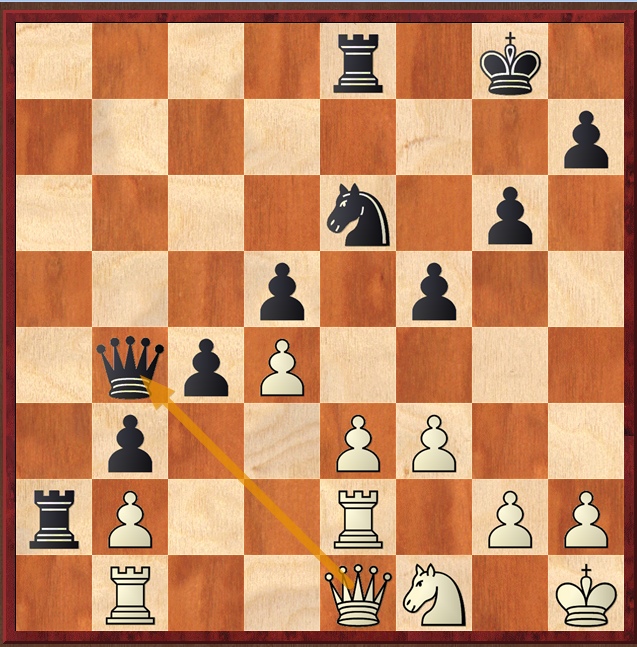
I am not sure whether it is pure chance- I think it is, because the layout of the puzzles in the book seems to be purely random, but the first puzzle is fairly straightforward. Black to play and win:
Solution below
There isn't much to this puzzle. The alternative capture of the queen also loses in straight forward fashion.
I have a large collection of chess books, and at some time will try to list my favourites. I know already that one of them will be an old, 1944, puzzle book, written by someone who was called EGR Cordingley.
Another time, I will explain quite what appeals about the book, but for now, the problem below is from the front cover, and is white to play and win..
 allanbeardsworth