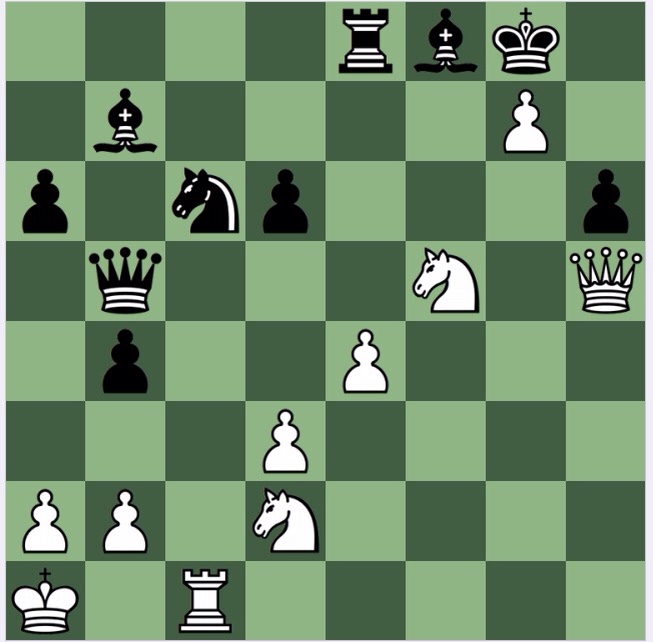
White to play and win, after Black plays Qd6-d5
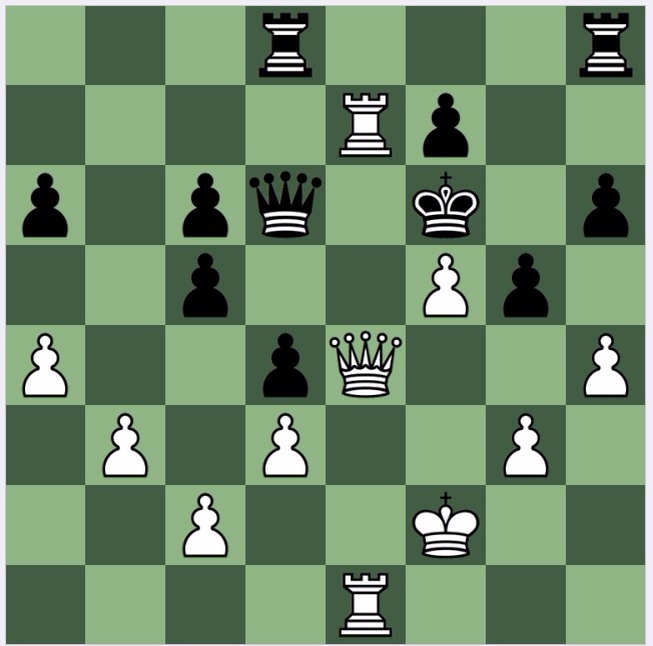
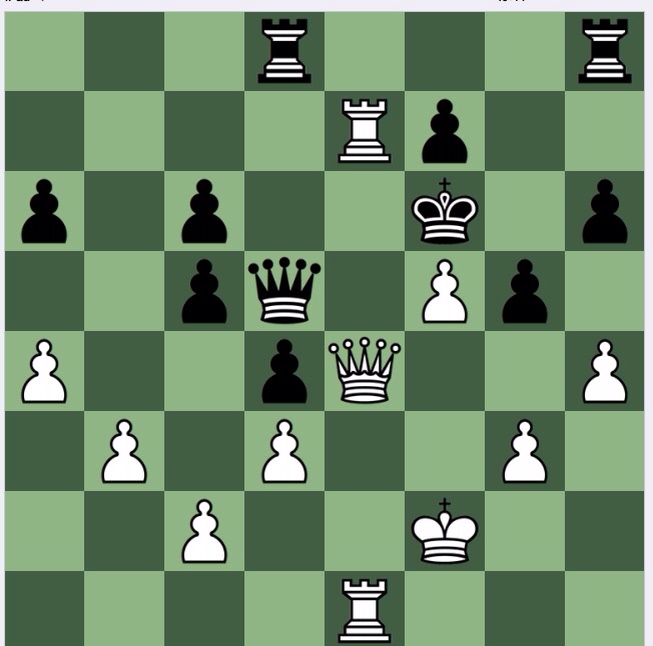
C Melboom v AA Ponelis 1984
Solution
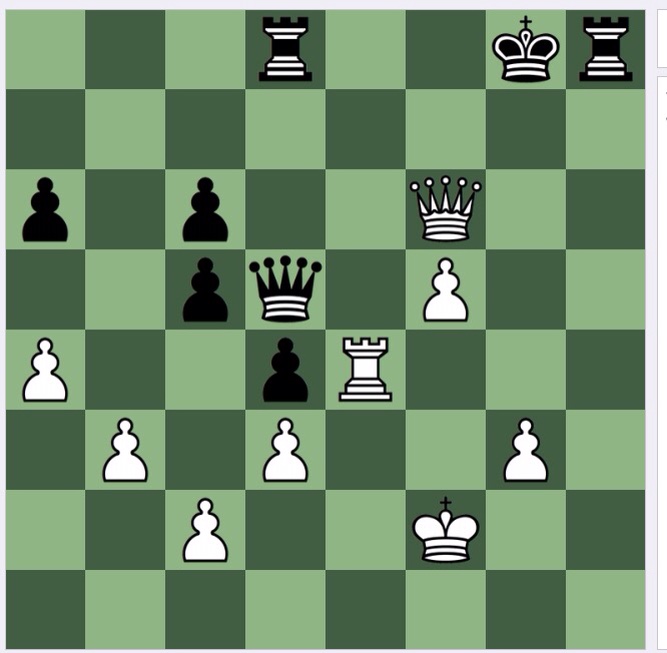
A nice combination: quite deep, but calculable, because it is mainly forced responses. 1 hg+! hg (exchanging pawns is vital, to make the pawn on g5 LPDOS) 2Rf7+! forces 2…Kf7 since 2…Qf7? is met by 3 Qe5 mate. After 2..Kf7, 3 Qe7+ Kg8[] and white has just enough power to force a win: 4 Qg5+ Kf8 (4…Kf7? 5 Re7+ and 6 Qg7 mate) 5 Qf6+ Kg8 6 Re4! and wins. Black can take the rook, but white's queens and pawns suffice.
 Posted with Blogsy
White to play and win
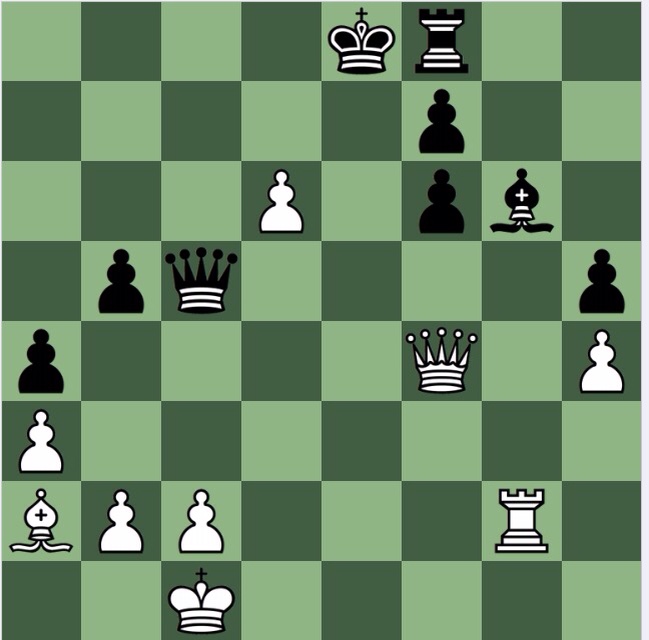
RF Griffiths v G Boulle 1968
Solution
Very nice how white's pieces combine: 1 Rg6! and white's pieces (queen, bishop and advanced pawn, precisely the same material as in the previous example) mate. The main line is 1…fg 2 Qe4+ Qe5 3 Qc6+! (3 Qa8+ picking up the Rf8 would lose because of Qe1 mate) and mate.
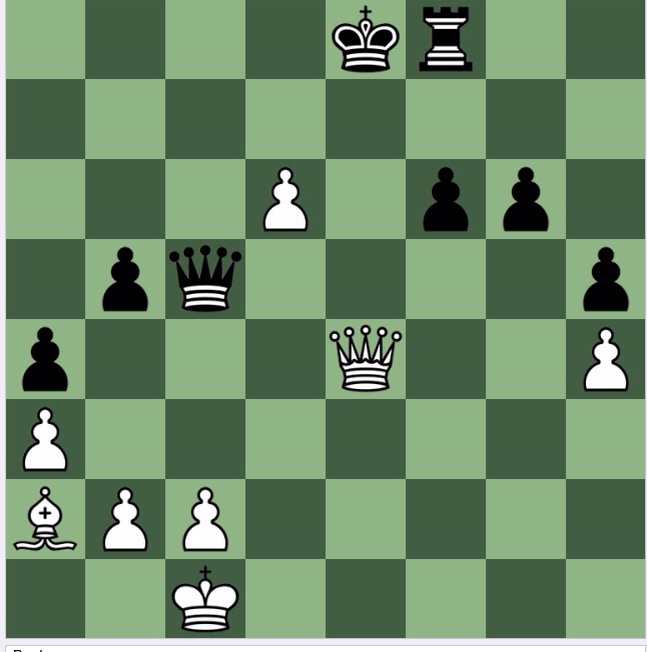
White to play and win
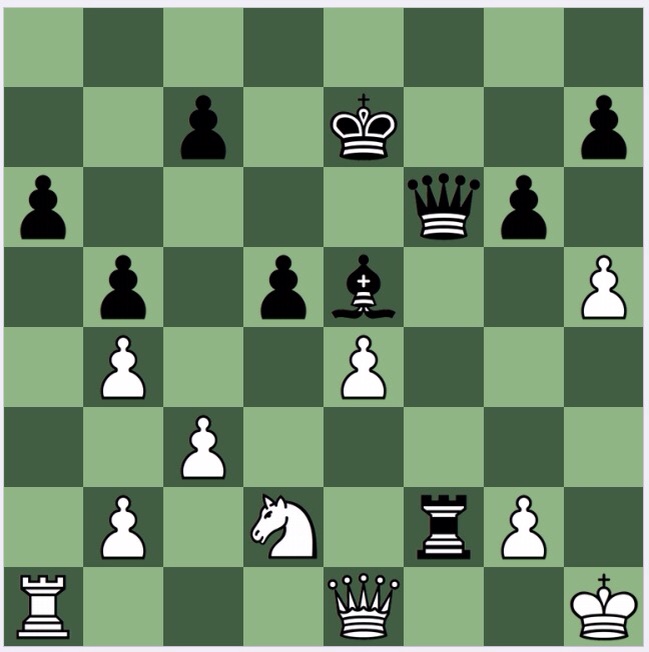
A Michael v M Blieden 1910
Solution
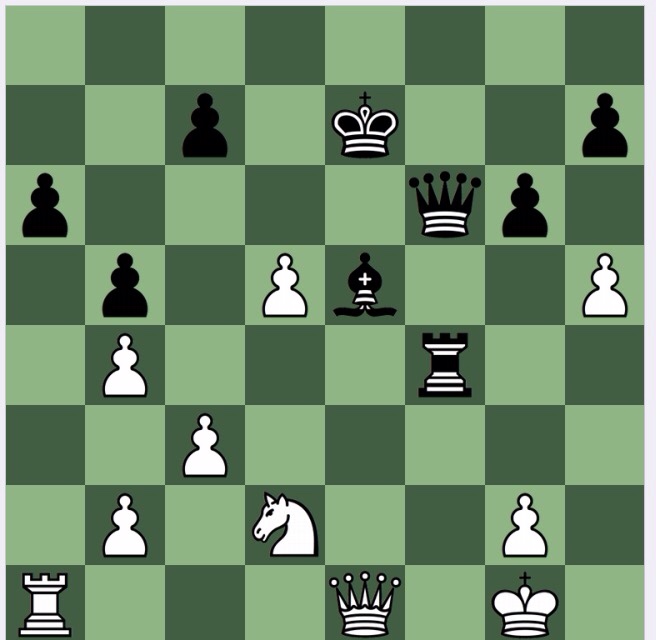
Nil points for me on this one: I played 1 Nf3, whereas 1 Kg1! is far better; but I didn't even see 1 Kg1 ('examine all biffs' if properly applied would have made me look at it, but of course the main idea is to anticipate black's threat).
1 Nf3?? loses, though calculating all to the end is hard, but black's pieces combine beautifully, often with pinning motifs preventing white from escaping. 1…Rf3 2 gf[] Qf3+
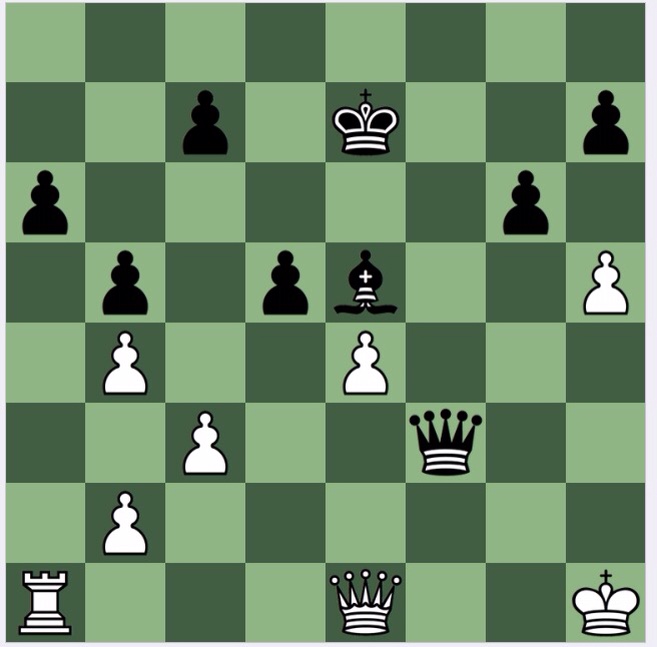
3 Kg1[] Qg4+ 4 Kf1 (4 Kh1 Qh3+ 5 Kg1[] Bh2+ and Bg3+) 4…de!
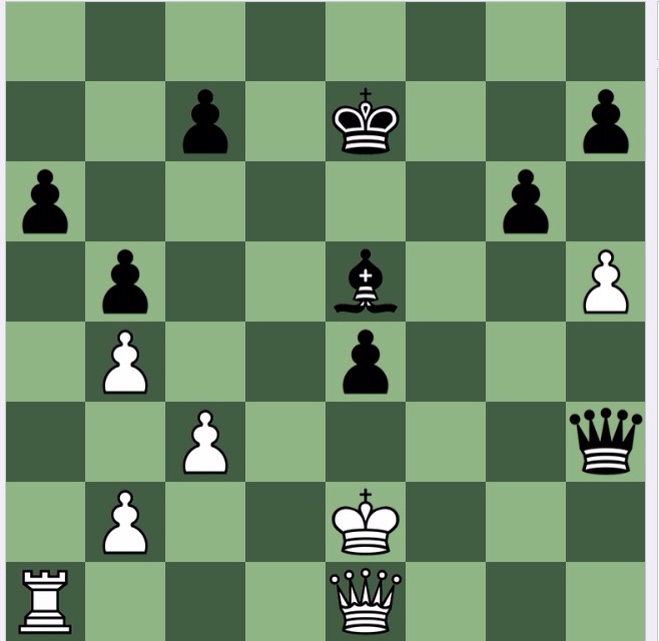
And perhaps surprisingly, at least to me, white has no escape.
Instead, 1 Kg1 gives white the advantage.
Black's first try is 1…Bg3 2 ed+ Kd8 (say) when 3 Ne4 keeps control, and wins.
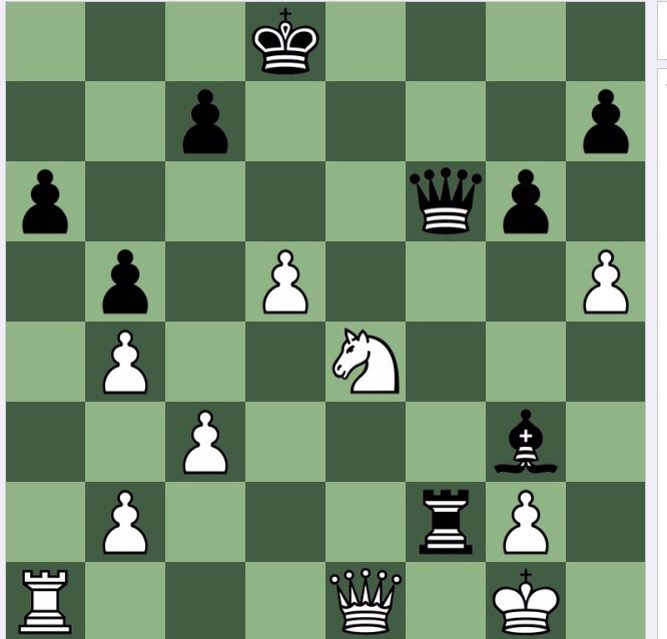
So, Black's best is 1…Rf4 2 ed when the engine says white is about a pawn up, which means black doesn't have a mating attack on white's queen, so the game goes on.
Black to play and win
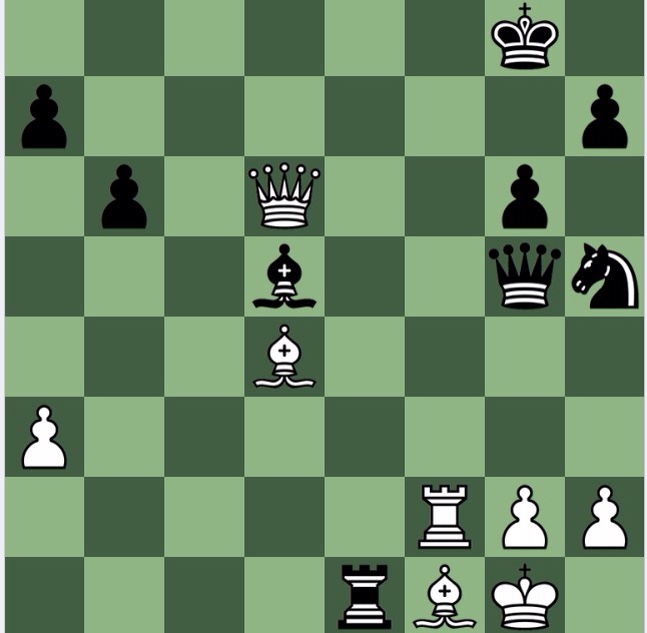
JJ Steenkamp v KT Solomon 1997
Solution
1…Rf1+ is the natural move to try, when 2 Kf1 is forced (2 Rf1?? Qg2 mate) reaching a position which I can't fully calculate- the type of positions which are just to hard for me to see entirely, though clearly in a game such precision is not needed: 2…Bc4+ is natural, when 3 Re2 is forced (3 Ke1?? Qc1 mate; 3 Kg1?? Qc1+ and mate) after which black can simplify to a winning ending with 3…Qf4+.
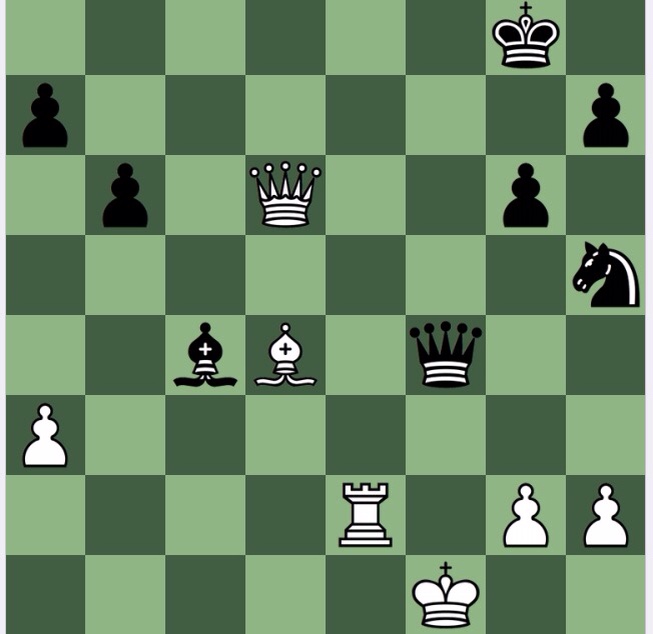
This is the line that in practice I would play, and of course black ends a piece up.
An engine would though flash the mate: 2…Qc1+ 3 Ke2 Bc4+ 4 Kf3[]
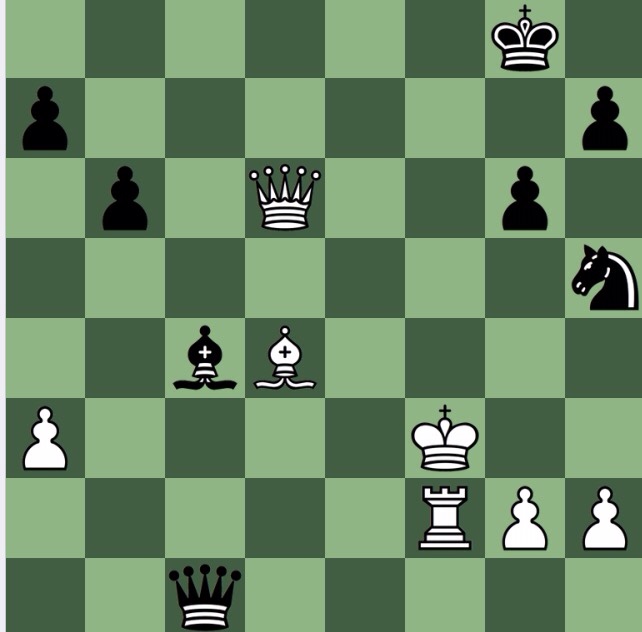
4…Qd1+! 5 Ke4 Qb1+! (the key move, aiming for f5) etc.
White to play and win
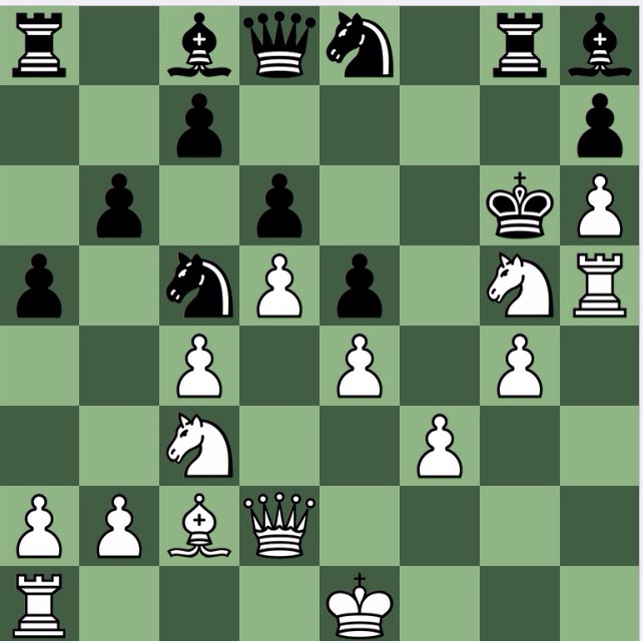
White played 1 Qf4, to which black replied 1…Nf6.
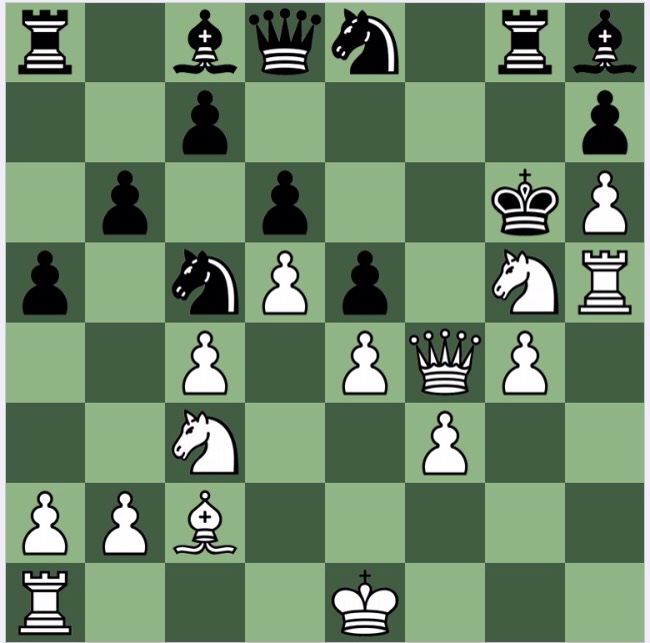
(1….ef 2 e5+ and mates)
G Michelakis v D Greek 1986
Solution
Fairly simple today: 2 Qf5+ and it is mate next move: 2…Bf5[] 3 ef mate.
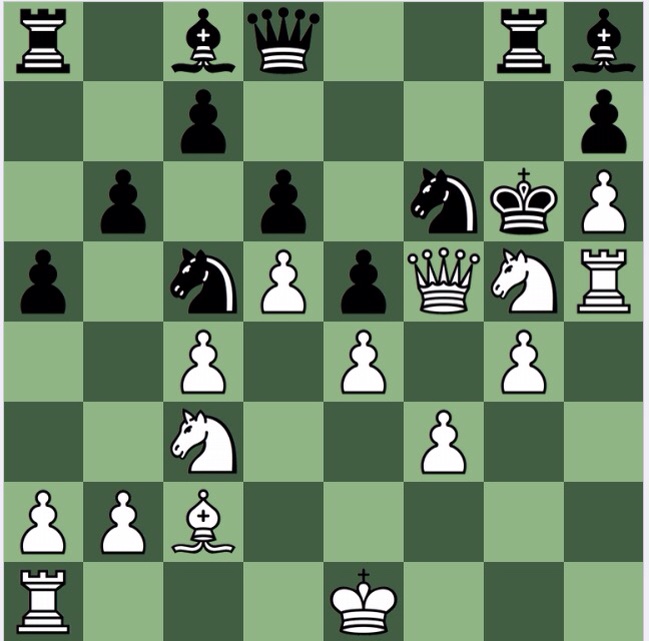
In fact, 1 Qf4 was sub-optimal, since black should simply have left it there, playing say 1.. Qe7, and eventually the white queen would need to retreat. Better would be 1 f4! forcing open lines, after 1…Bg4 2 Rh4.
Black to play and win
Find the most convincing way to win.
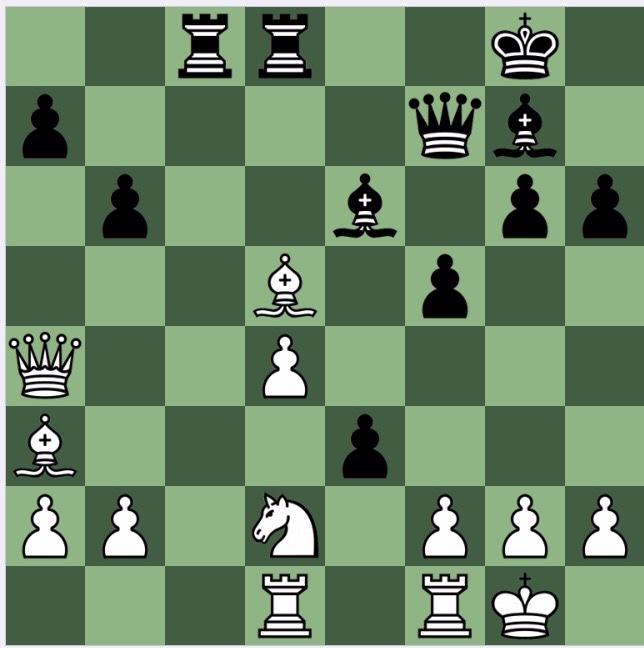
AA Ponelis v D Friedgood 1973
Solution
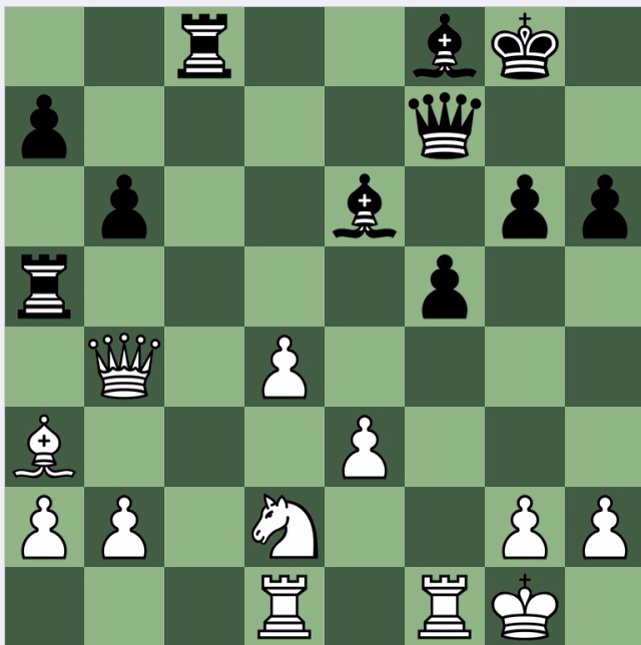
Black could play 1…Bd5 or 1…e2, but best is 1…Rd5!, with the idea that after 2 fe, Ra5! traps the queen: 3 Qb4[] Bf8 0-1.
Black to play and win
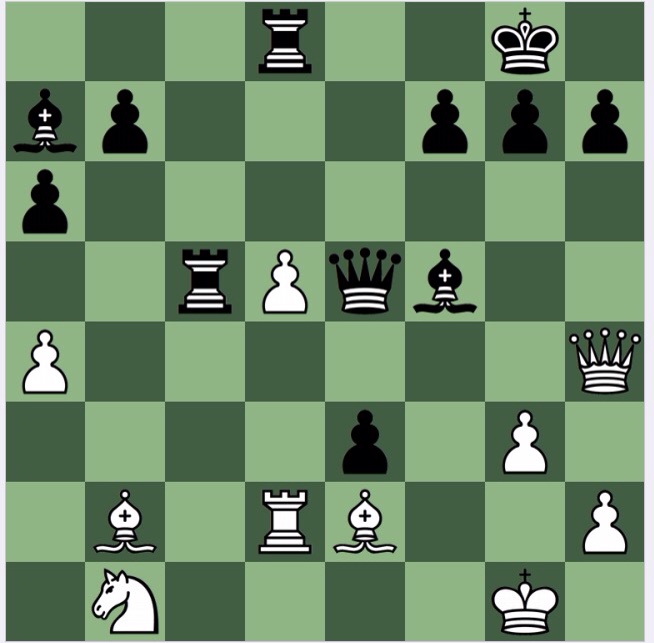
EM Moseamedi v JJ Steenkamp 2002
Solution
The motif 'has to be' a discovered check from the Ba7, but with the Rd8 LPDO something special is needed. Examine all biffs means that one has to look at 1…Rc1+!, and once seen, its power is evident. If 2 Bc1, ed+; 2 Bf1 ed+; and if 2 Kg2 black stabilises the position by first playing 2…Qe4+ and swapping queens off, before taking on b1.
Black to play and win
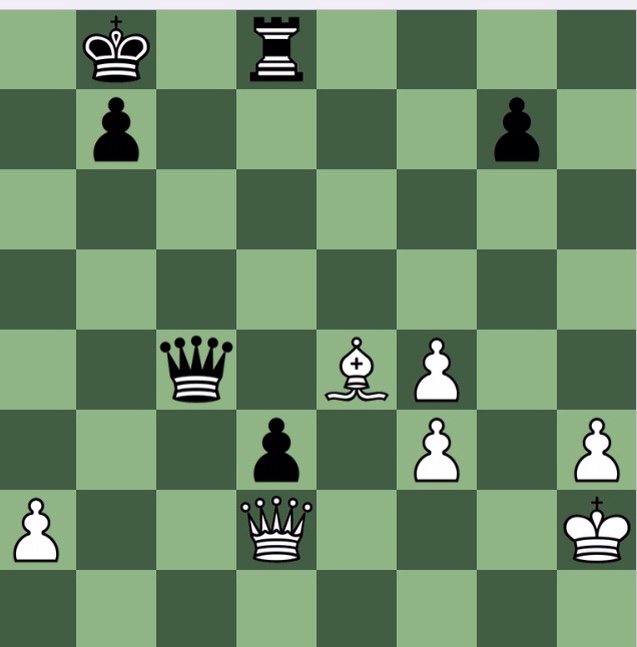
CC de Villiers v JAN Ophoff 2005
Solution
A rest day: 1…Qc2 and if 2 Qc2 dc 3 Bc2 Rd2+ skewers the king and bishop, or if 2 Qg2, queens are exchanged and then 3…d2 0-1
White to play and win
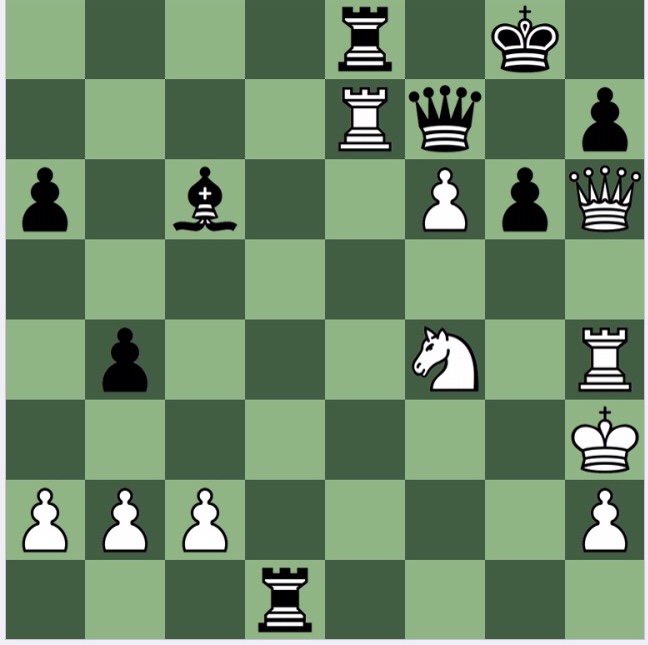
B. Nelson v E Kromhout 1978
Solution
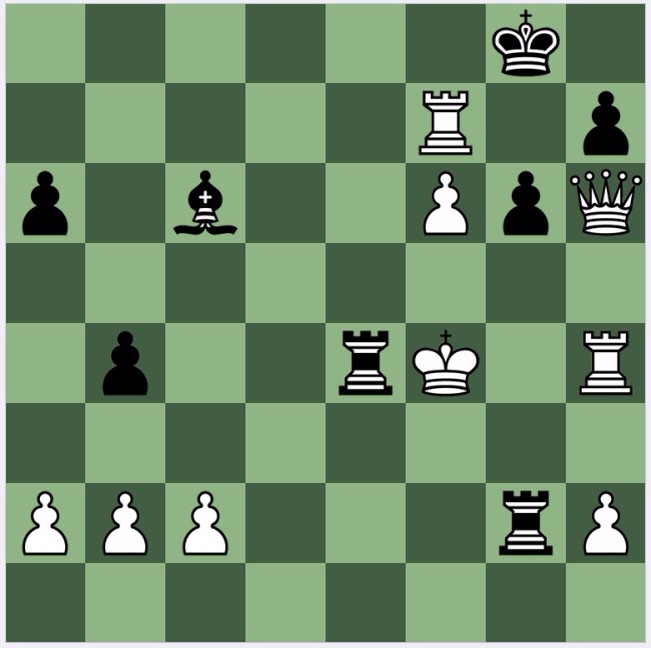
1 Qg7+! Qg7[] 2 Rg7+ Kf8 3 Ng6+! etc
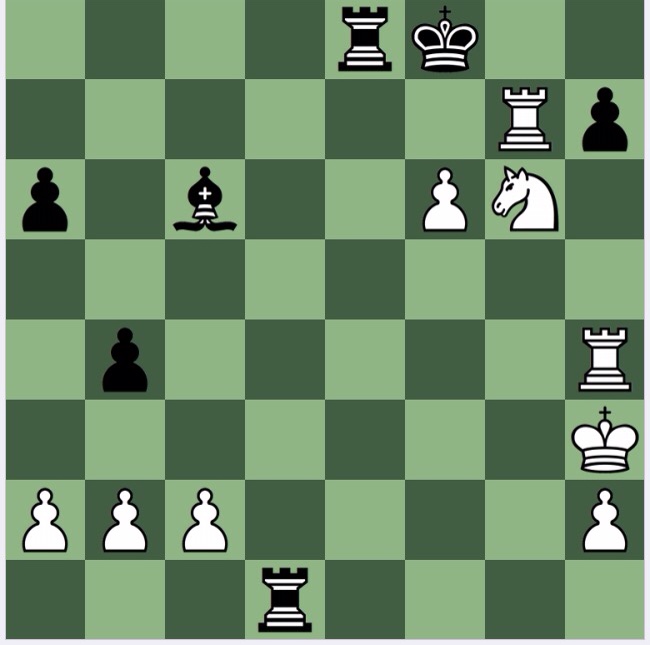
If instead 1 Rf7?? white loses: 1…Re3+ 2 Kg4 Rg1+ 3 Ng2 Rg2+ 4 Kf4 Re4+ and a discovered check then mops up.
White to play and win
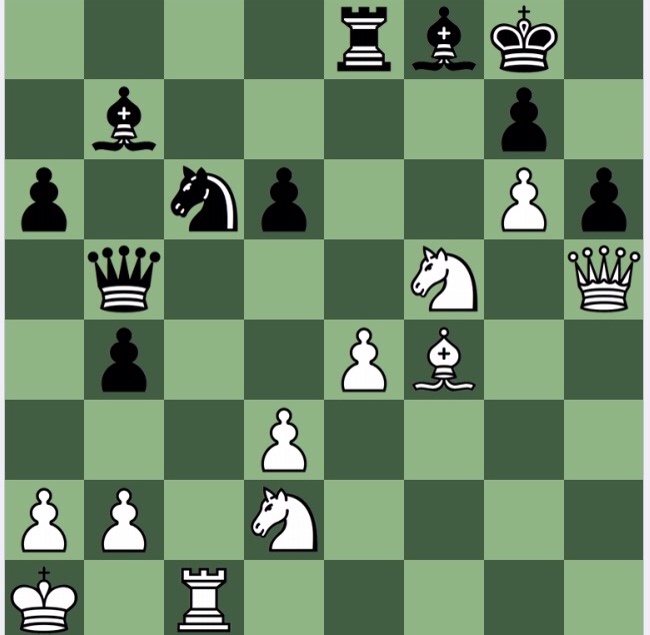
NP Van der Nat v D Van den Heever 2004
Solution
A 'can opener' move is required, and 1 Bh6! is the natural try, and after 1…gh 2 g7! it is really game over: there is a double attack on the LPDO Re8 and the Bf8- again, as so often, Purdy's motif of jump biff (Qh5-e8) and Nunn's LPDO search are the key to this position.
 allanbeardsworth