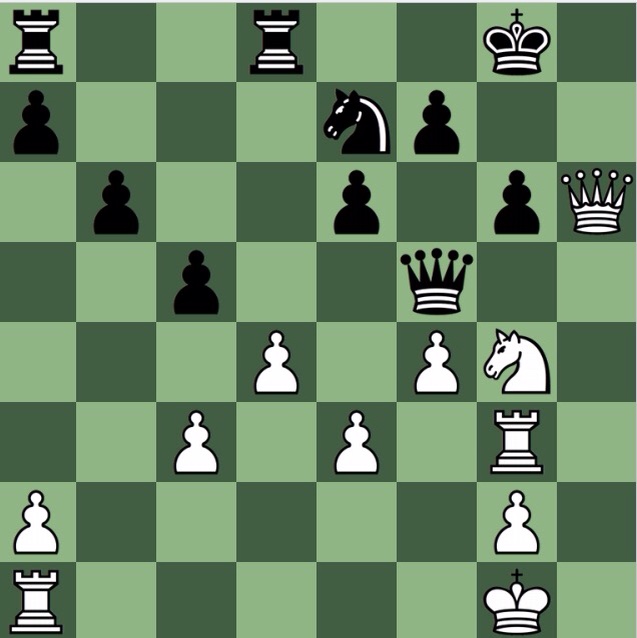
White to play and win
It is not just the first move that is needed, further depth is required.
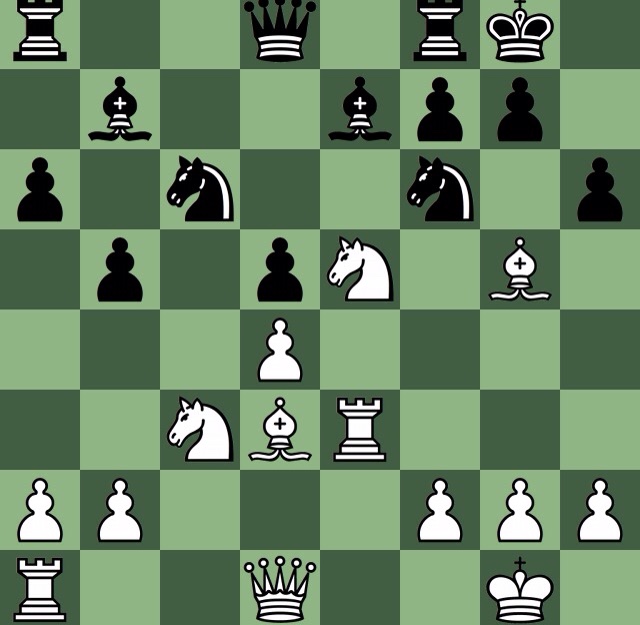
JA Ophoff v L Bouah 2005
Solution
The first moves are obvious: 1 Bh6 gh 2 Rh3+ Kh8; but then what?
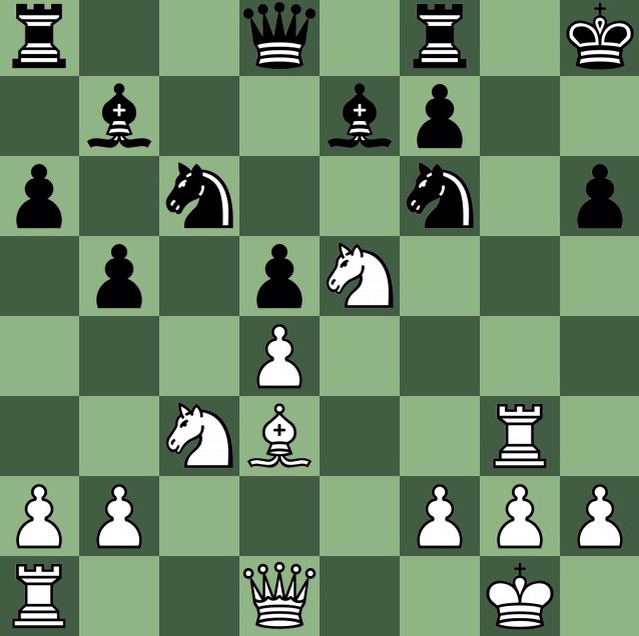
Here, I would always play 3 Qd2, with the idea that after 3…Ng8, 4 Rg8+ Kg8 5 Qh6 f5:
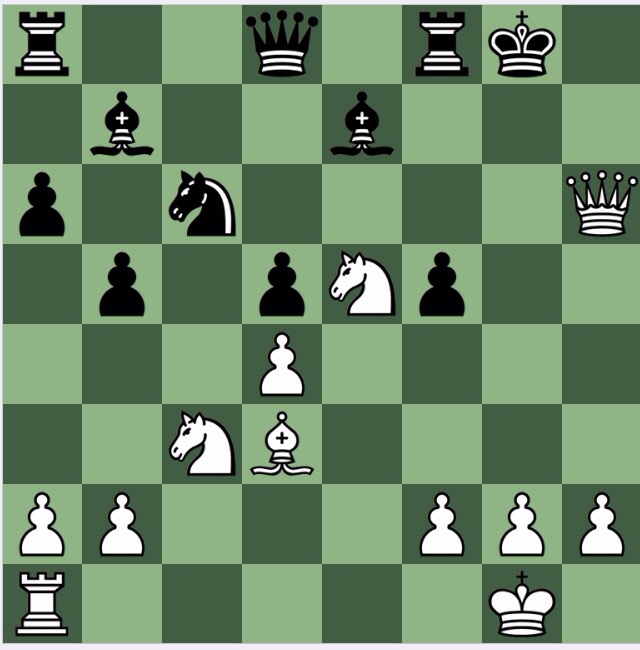
…knowing that, if nothing else, I had perpetual: a safe stepping stone position to reach, and only once reached, to think further. Fortunately, here, Stockfish tells me there is nothing better.
But once reached, I could quite easily see myself chickening out and taking the draw, rather than face the uncertainty of an unbalanced position, with risk of loss. This fear of losing is what I know limited by development as a teenager. I took far too many quick or safe draws, unlike my younger team member, Nigel Short, who always fought on and on.
Looking further, swapping the pieces off by 6 Qg6+ (to keep the king locked in; no point letting it run away to f7 and so on) 6…Kh8[] 7 Nc6 Bc6 8 Qc6
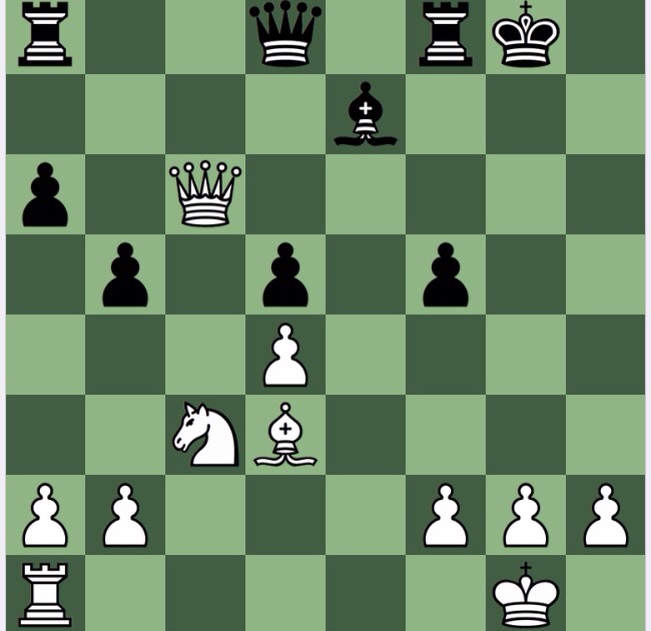
And the unbalanced position 'should be better for white' in human terms, but is +2.5 for Stockfish. Only after 8…Rf6 9 Qd5+ Qd5 10 Nd5 Rf7 would I be happy, having seen 11 Bf5!
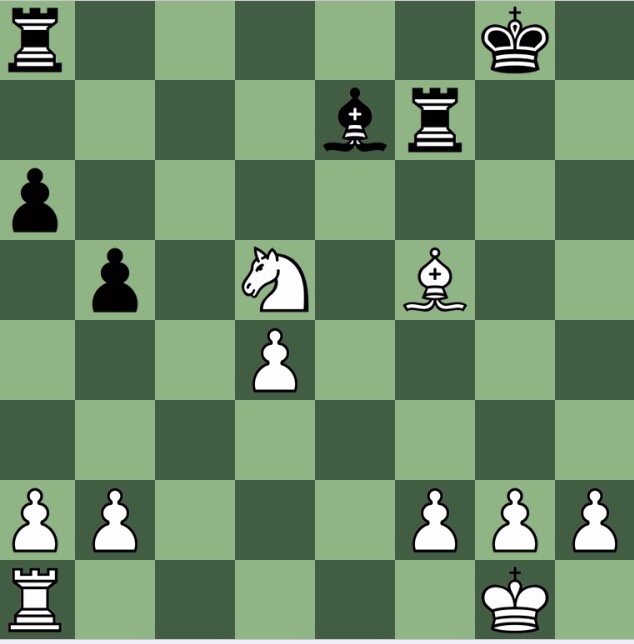
When it is game over.
However, alas, I think in practice the chicken in me would rule, and it would be a perpetual.
 Posted with Blogsy
White to play and win
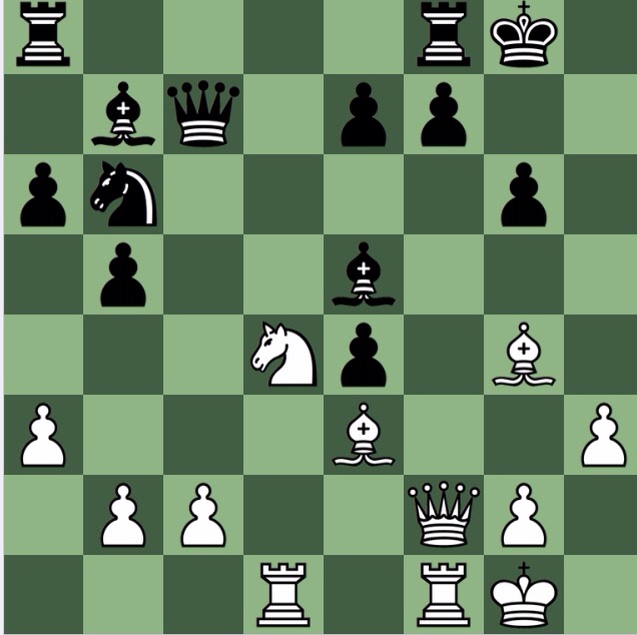
K Tip v V Huang 1963
Solution
Nice today, if not too hard, for anyone versed in Sacrifices in the Sicilian. 1 Ne6! is a typical biff, winning at least the exchange after 1…Qc6, and more otherwise: a side issue being that the N move biffs the Nb6 by the Qf2/Be3 battery.
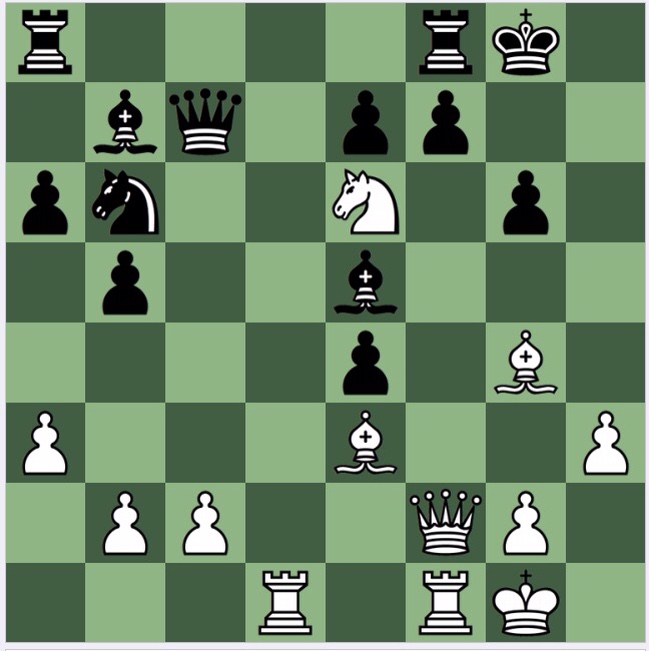
Apart from checking that Bh2+ doesn't do any damage (it doesn't, in fact it takes a piece away from the defence) all that is needed to check is what happens after 1…fe. When you see 2 Be6+ Kg7 3 Qh4 and if 3…Rh8 4 Rf7+ there is no more to calculate: 1-0.
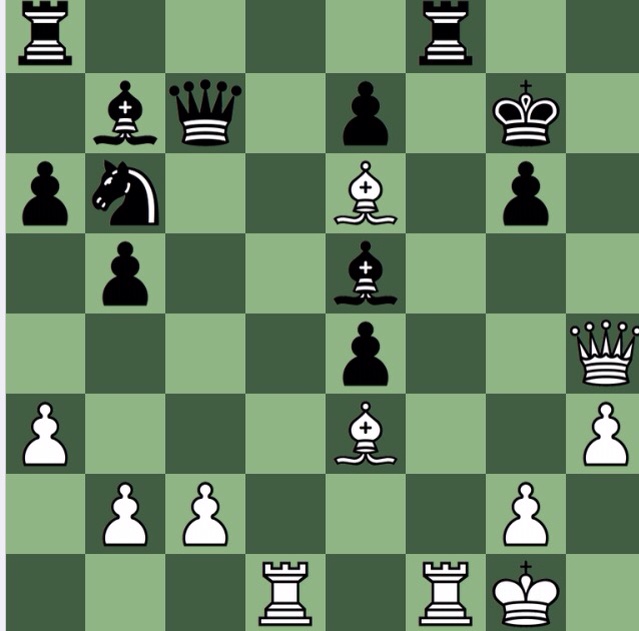
Black to play and win
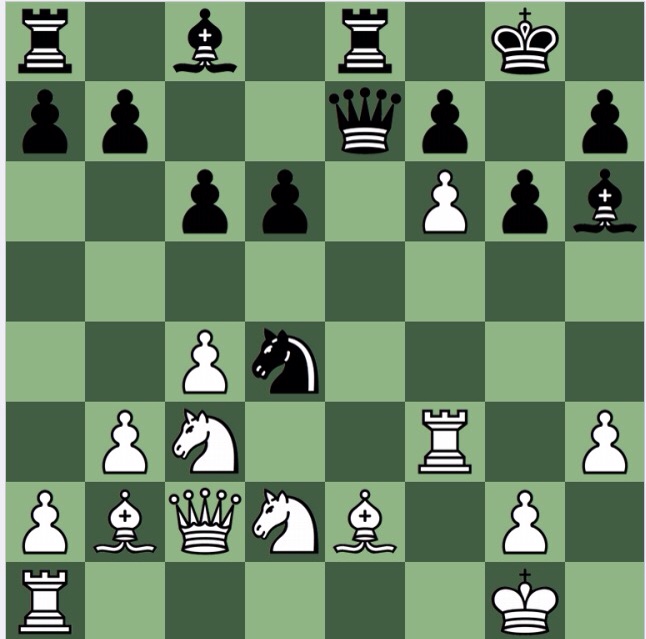
S Mauba v CC De Villiers 1998
Solution
Rest day today: 1…Qe2.
White to play and win
Black played 1…Be4 2 Be4 Re4: then what?
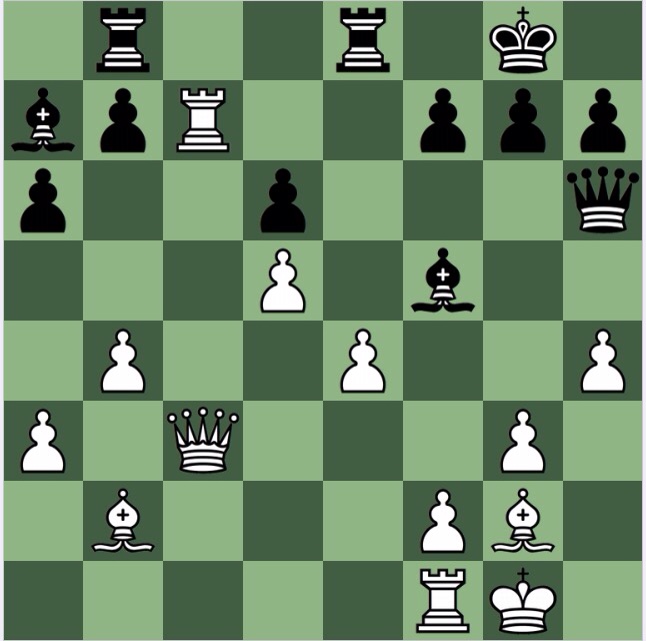
R Morschel v R Hadar 1987
Solution
Straightforward today. Noting that the black king is in a net (using CJS Purdy language) the Rb8 is tied (again, CJSP language) to the back rank, so that the Pb7 is LPDO, and 3 Rb7! wins it and then the Ba7.
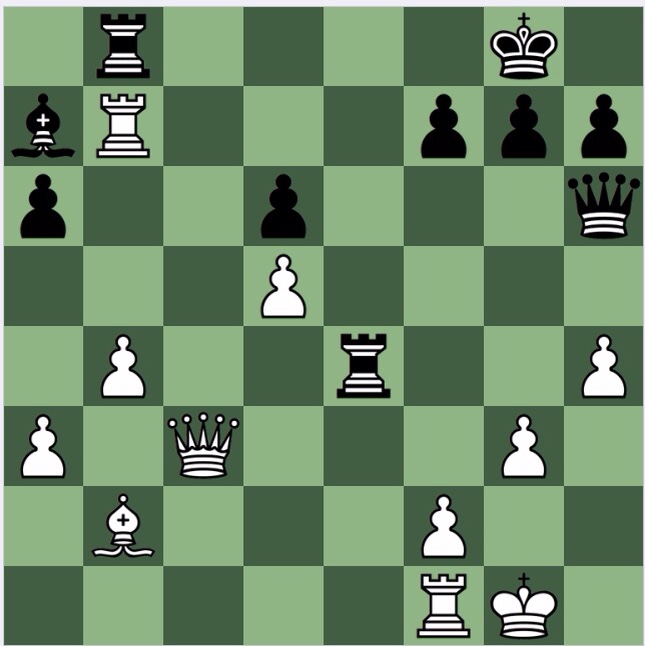
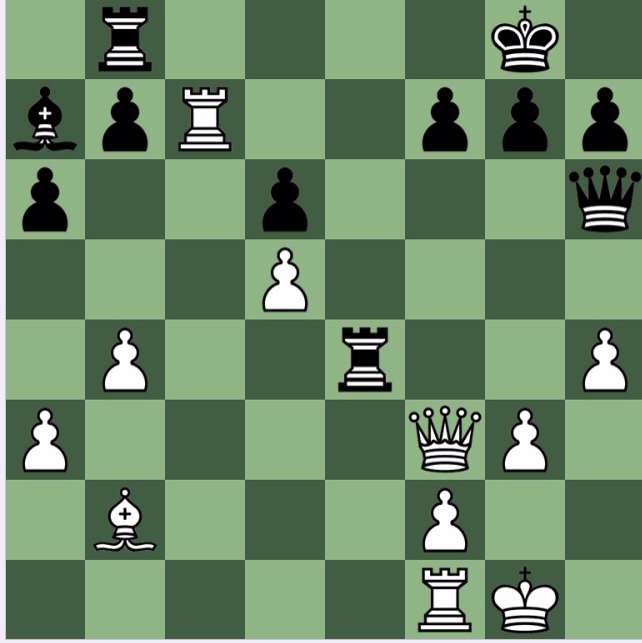
But by a similar token, the Re4 and Pf7 are LPDOs, and 3 Qf3! hits both. If then 3…Qg6 then 4 h5 is game over, and if 3…f5 4 Qf5 repeats the threat. 4…Qg6 is then not possible because of 5 Rg7+.
Black to play and win
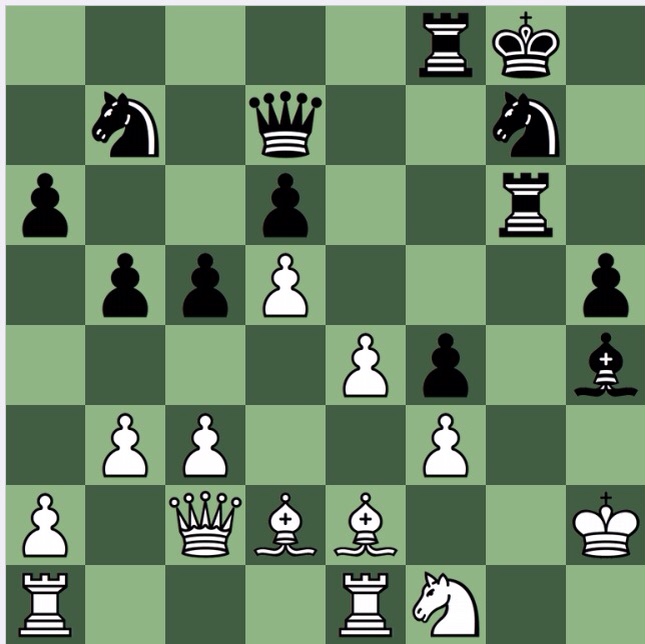
GW McEhinny v LR Reitstein , corres, 1959-60
Solution
After trying both 1..Bg3+ and 1…Rg3+, and seeing that neither gets black's pieces 'into' the king, that is especially the h3 square, it is not too hard to see 1…Bf2 which does the job. White can't prevent Bg1+ followed by Qh3+ mating.
White to play and win
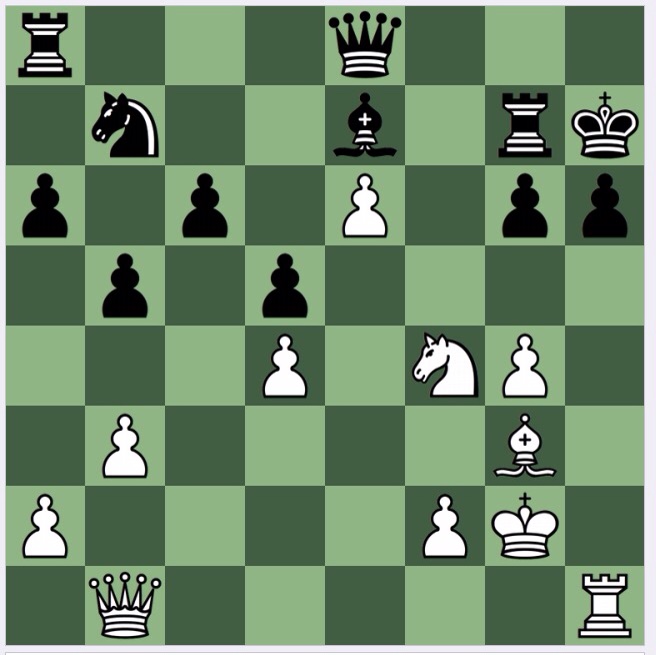
P Matale v Y Sutil 2005
Solution
A fairly routine piece of calculation is required here. 1 Rh6+! is a must-try biff. If the rook is captured, it is mate in two: 1…Kh6 2 Qh1+ Kg5 3 Qh4 mate. So 1…Kg8[] when 2 Ng6 threatens 3 Rh8 mate. If 2…Rh7, white captures and then plays 4 Ne7dis+, when the attack continues unabated. So 2..Rg6 3 Rg6+ Kh7 (3…Kf8 4 Qf5+; 3…Kh8 4 Be5+) 4 Rg5+ and mates.
For what it is worth, Stockfish hovers between 2 Ng6 and 2 Qh1, both of which it assesses as +14: silicon speak for 'even a human could win this'.
White to play and win
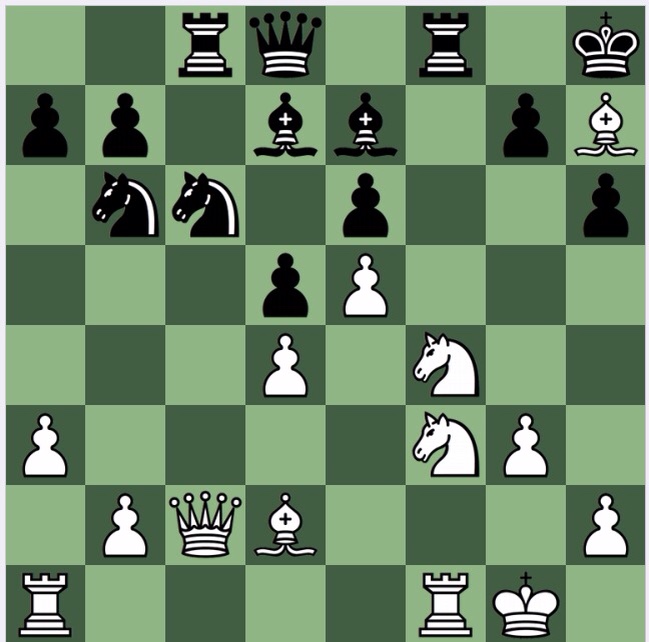
D Lewis v L Wilken 1958
Solution
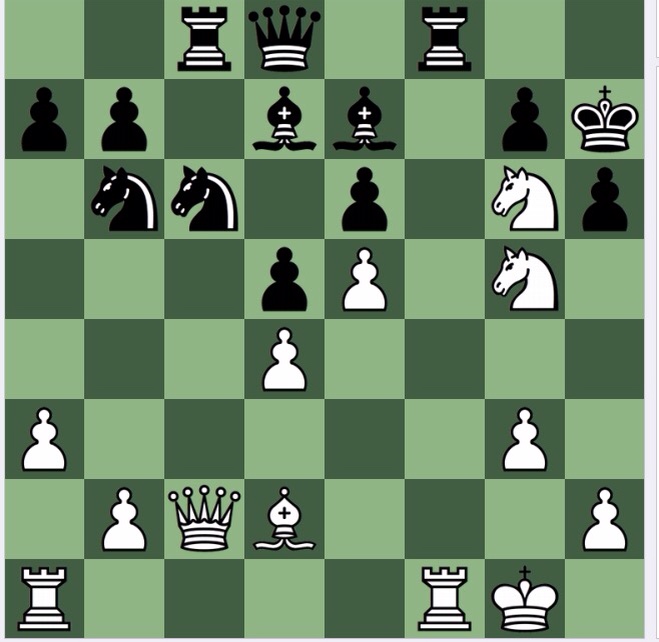
Not too hard today, which just shows that playing a game in practice is so different to solving a puzzle in the comfort of your own home: for white played 1 Qd3, missing the fairly obvious 1 Ng6+!
It is actually quite nice to find not just a winning line, but the best line: 1…Kh7[] 2 Nf8++ Kg8 and now 3 Ng5! keeps the king in the box.
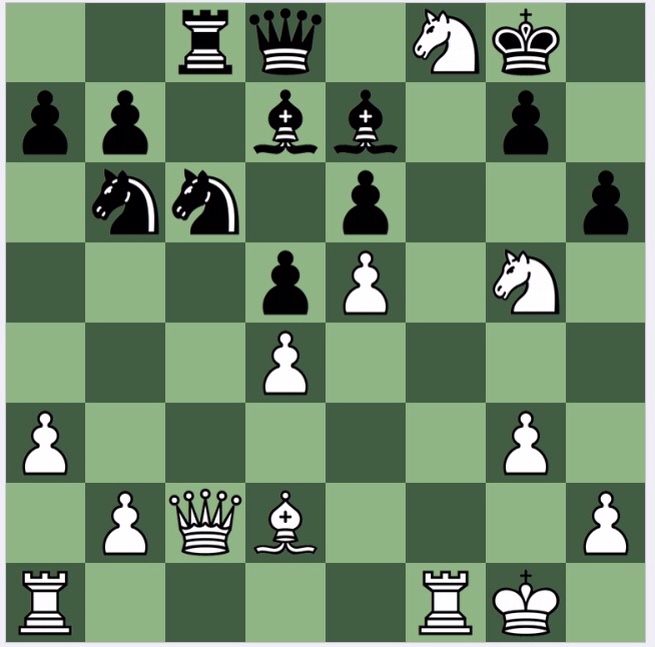
As always, I write up my blog, then go to Stockfish to enter the position, so I can paste it into the blog. Alas, Stockfish (and, full credit, Reitstein) improve further, with the stunning 2 Ng5+! with the same idea, but just more forceful.
Black to play and win
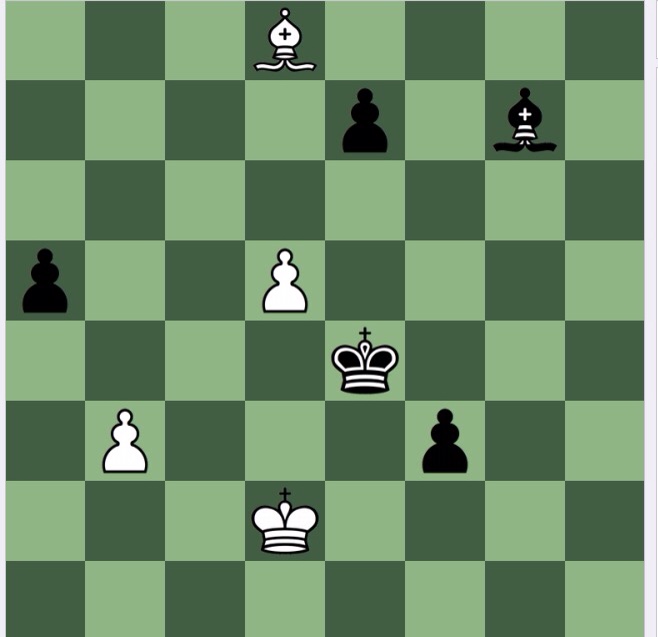
C Vakis v L Holzhausen 1996
Solution
A rest day today. 1…Bc3+! is a simple deflection of the queen. If the bishop is captured, then the f pawn promotes. If instead 2 Kd1 then 2…Bb4 places the bishop on the perfect square, and it is then just a matter of time before the ending is won. (e.g. if 3 d6, then 3…ed, bring the pawn to d3, K round to h3 and g2 0-1)
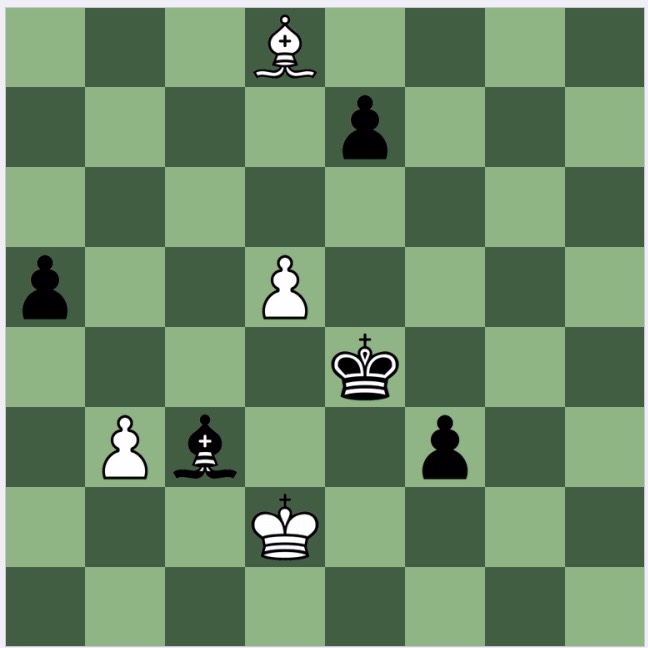
(After 2 Kd1, 2…Kd3 is just as good: the Pe7 can't be taken, since then 3…f2. But I think Bb4 is more elegant/cruel).
White to play and win
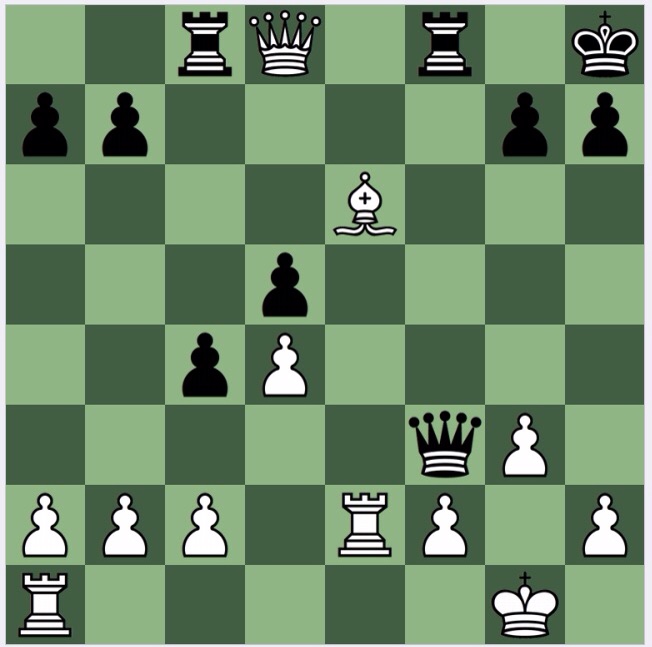
C Melboom v G Boulle 1984
Solution
In the game, White played 1 Qd5, and somehow still won. Had I been playing white, I think ten times out of ten I would have played 1 Bg4, and it is anyone's game after 1…Qg4 2 Qe7 Qd4 3 c3: white is better, but not winning. With more time, I struggled trying to make 1 Bc8 work, again and again, before, just before giving up, finding the solution 1 Qc8! : once seen, it is fairly straightforward- but I don't think finding it is easy.
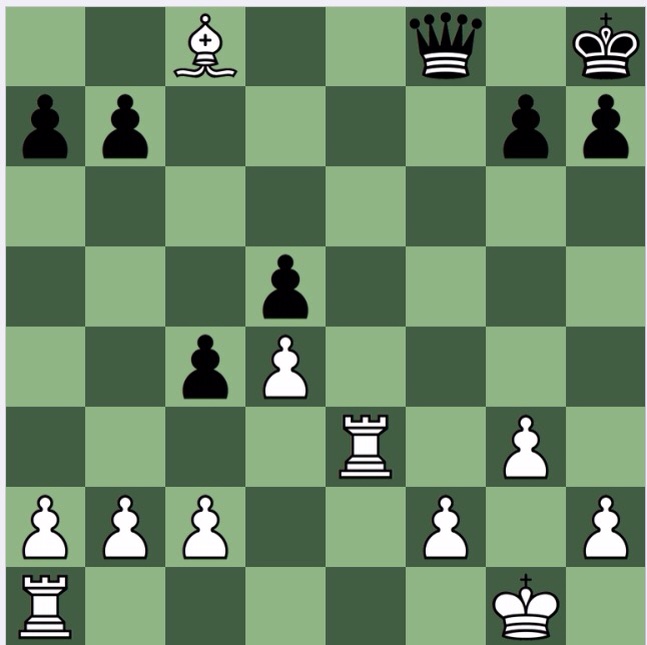
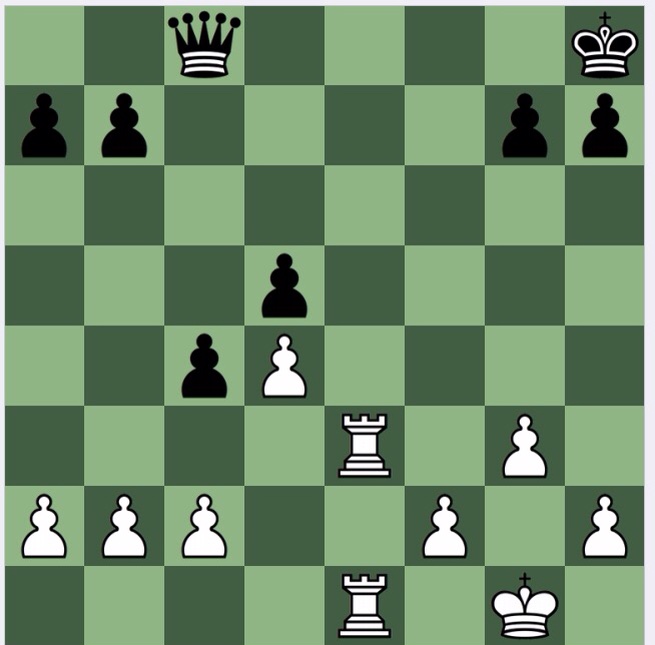
After 1 Qc8! Rc8[] 2 Re3! is the key move, when black's best is 2…Qe3, but it is hopeless. If instead 2…Qf8
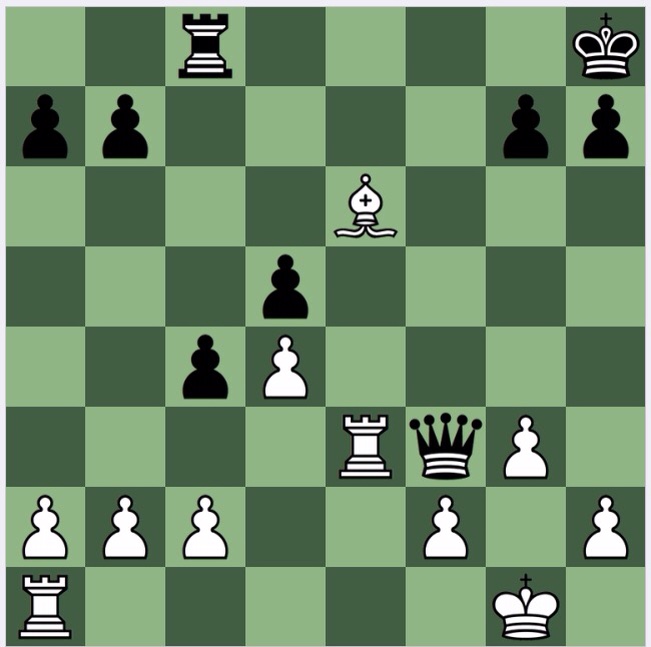
Then 3 Bc8 Qc8 4 Rae1 and mates or wins the queen.
White to play and win
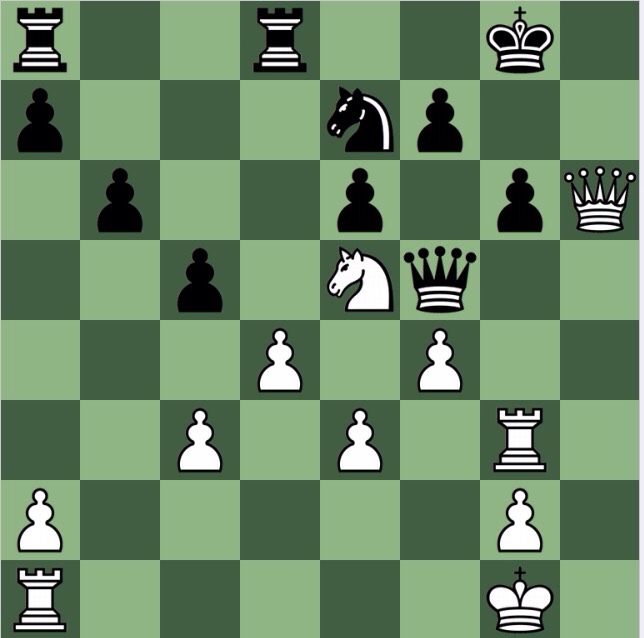
BE Siegheim v L Izekowitz 1906
Solution
Since 1 Rh3 is met by 1…Qf6, white keeps the Q out of f6 by1 Ng4! The threat of 2 Rh3 can't be met. If 1…f6, 2 e4! wins the queen (2…Qe4 3 Nf6+)
 allanbeardsworth