This is an occasional series of postings inspired by a brief discussion on the flight home from Turkey this summer. The flight attendant saw I was reading a chess book (quelle surprise) and, just making polite small talk, said she also liked playing chess, saying that depending on whether other crew members played, she would play on stopovers. Later in the flight she asked me if I had a chess set at home…and that set me thinking. How many chess sets do I have? And since then number is, well, shall we say, quite high, I thought I would blog about them especially those which 'mean something to me'.
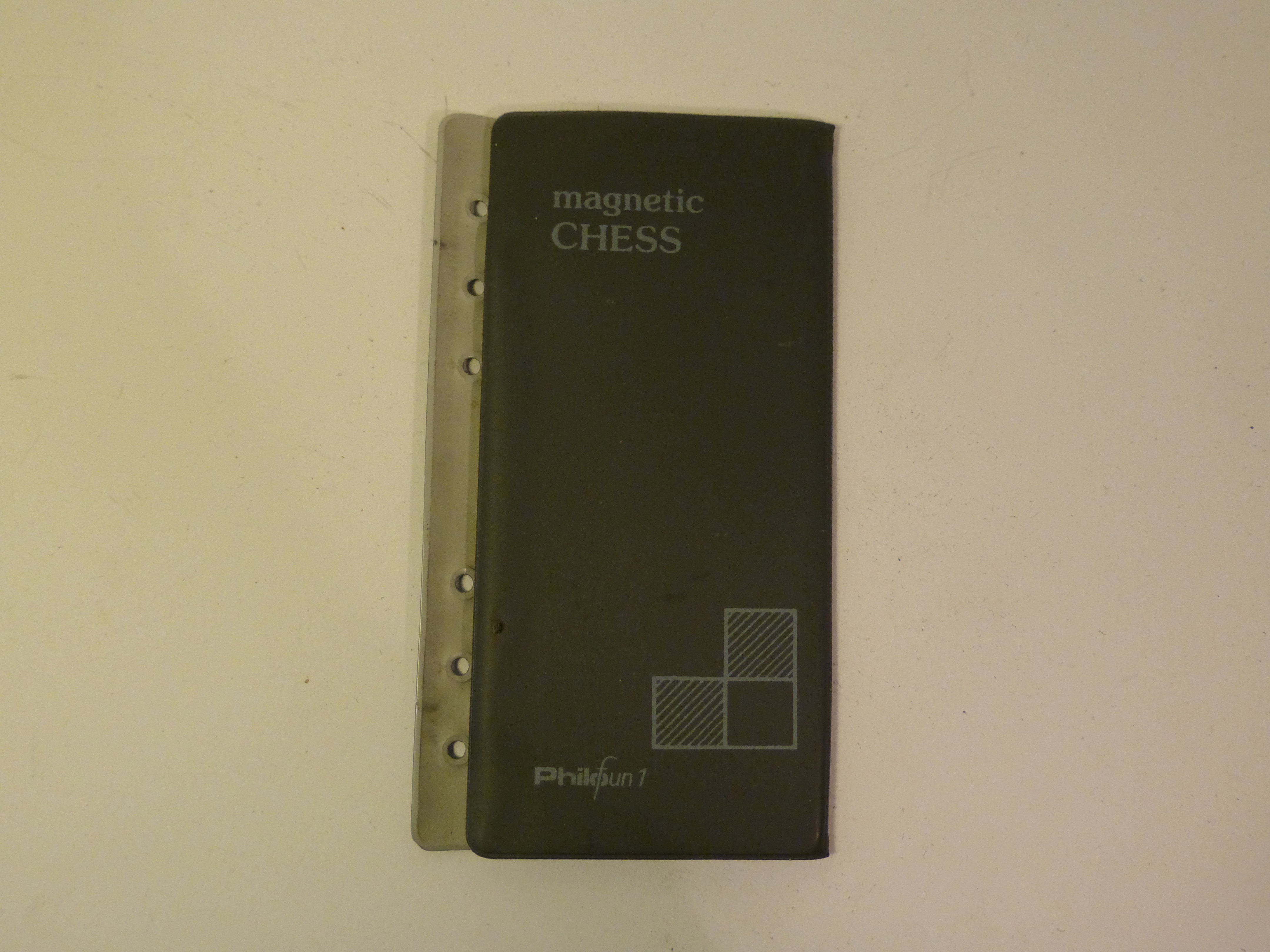
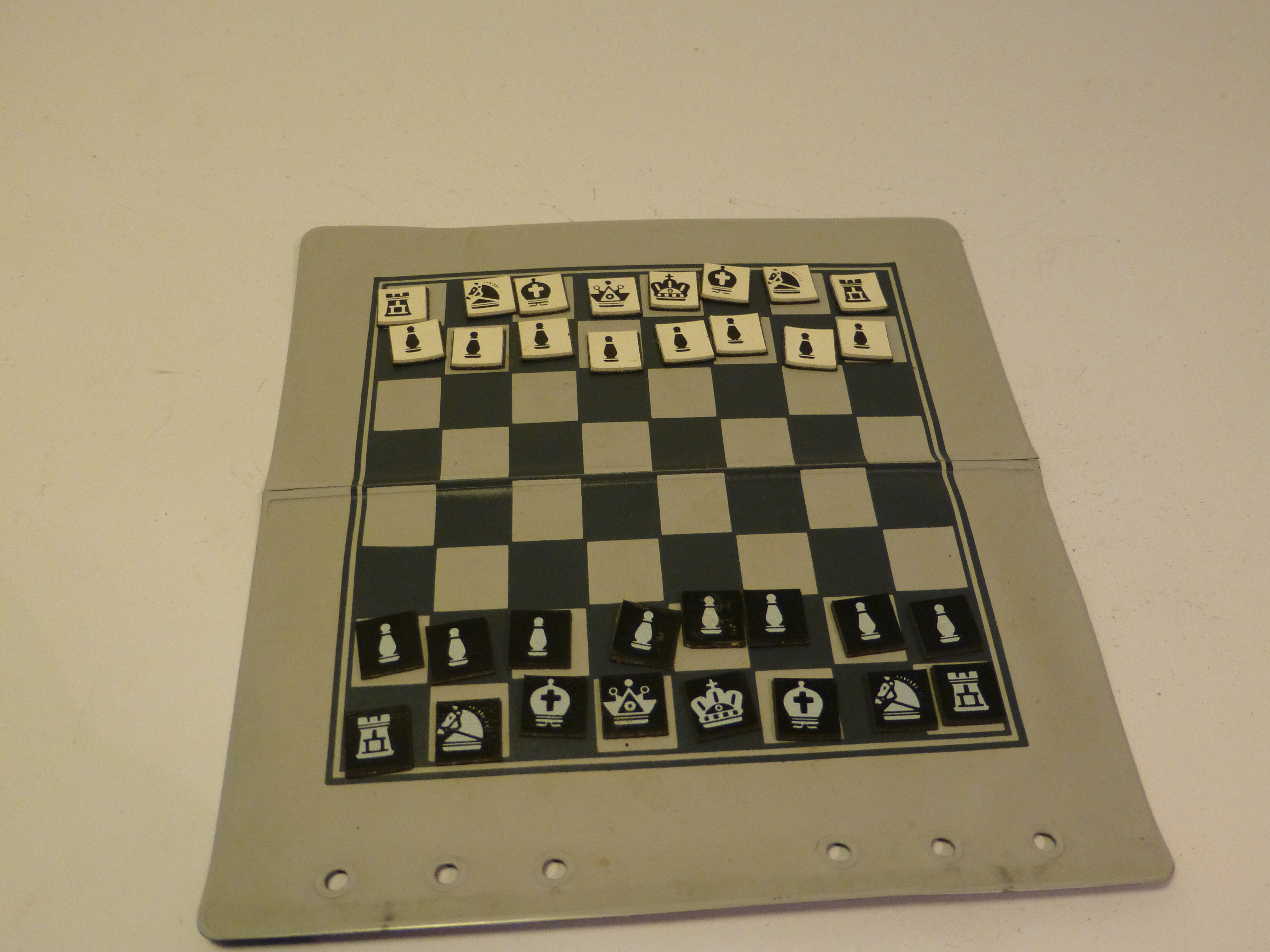
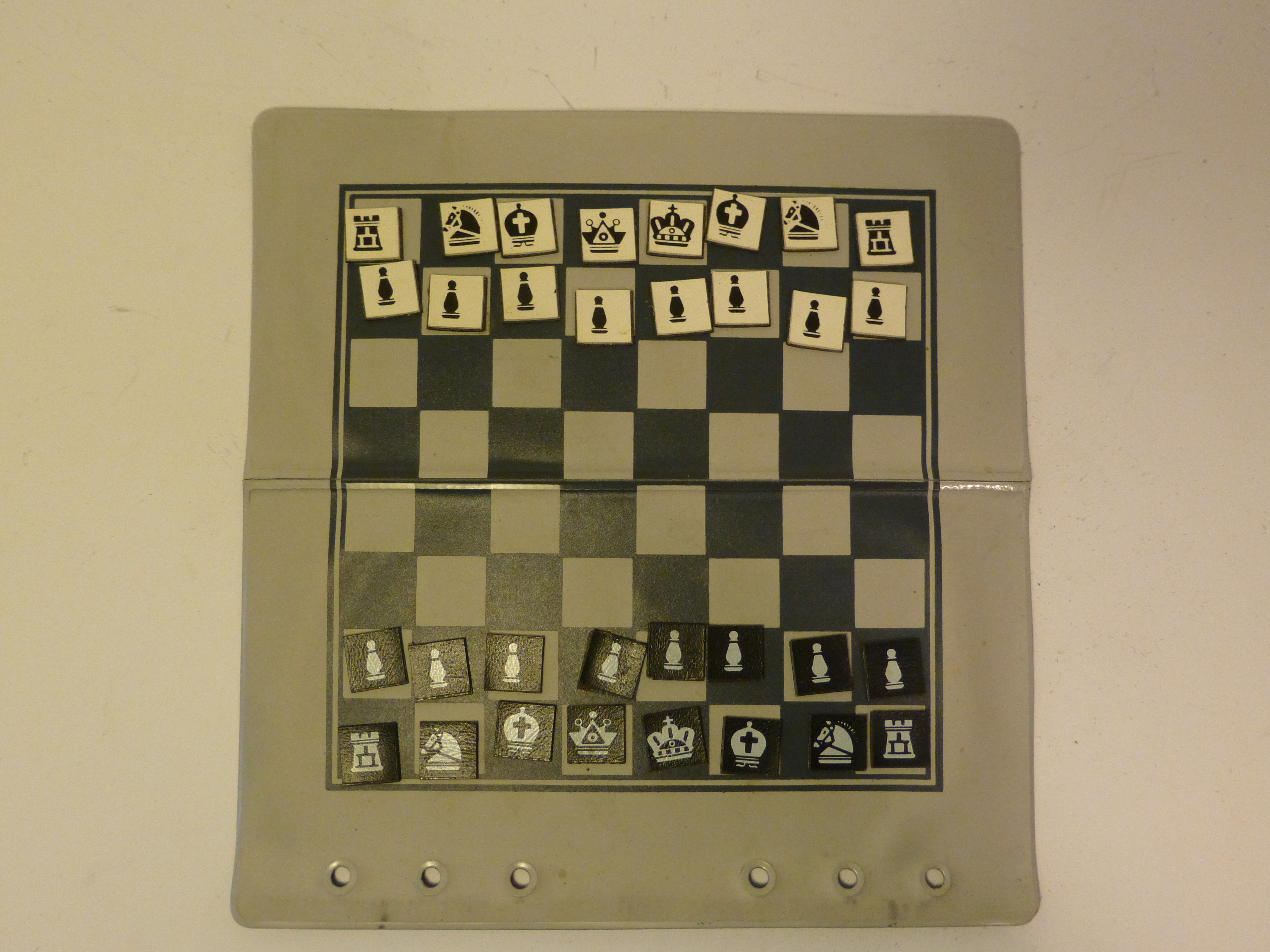
 Posted with Blogsy
This is an occasional series of postings inspired by a brief discussion on the flight home from Turkey this summer. The flight attendant saw I was reading a chess book (quelle surprise) and, just making polite small talk, said she also liked playing chess, saying that depending on whether other crew members played, she would play on stopovers. Later in the flight she asked me if I had a chess set at home…and that set me thinking. How many chess sets do I have? And since then number is, well, shall we say, quite high, I thought I would blog about them especially those which 'mean something to me'.
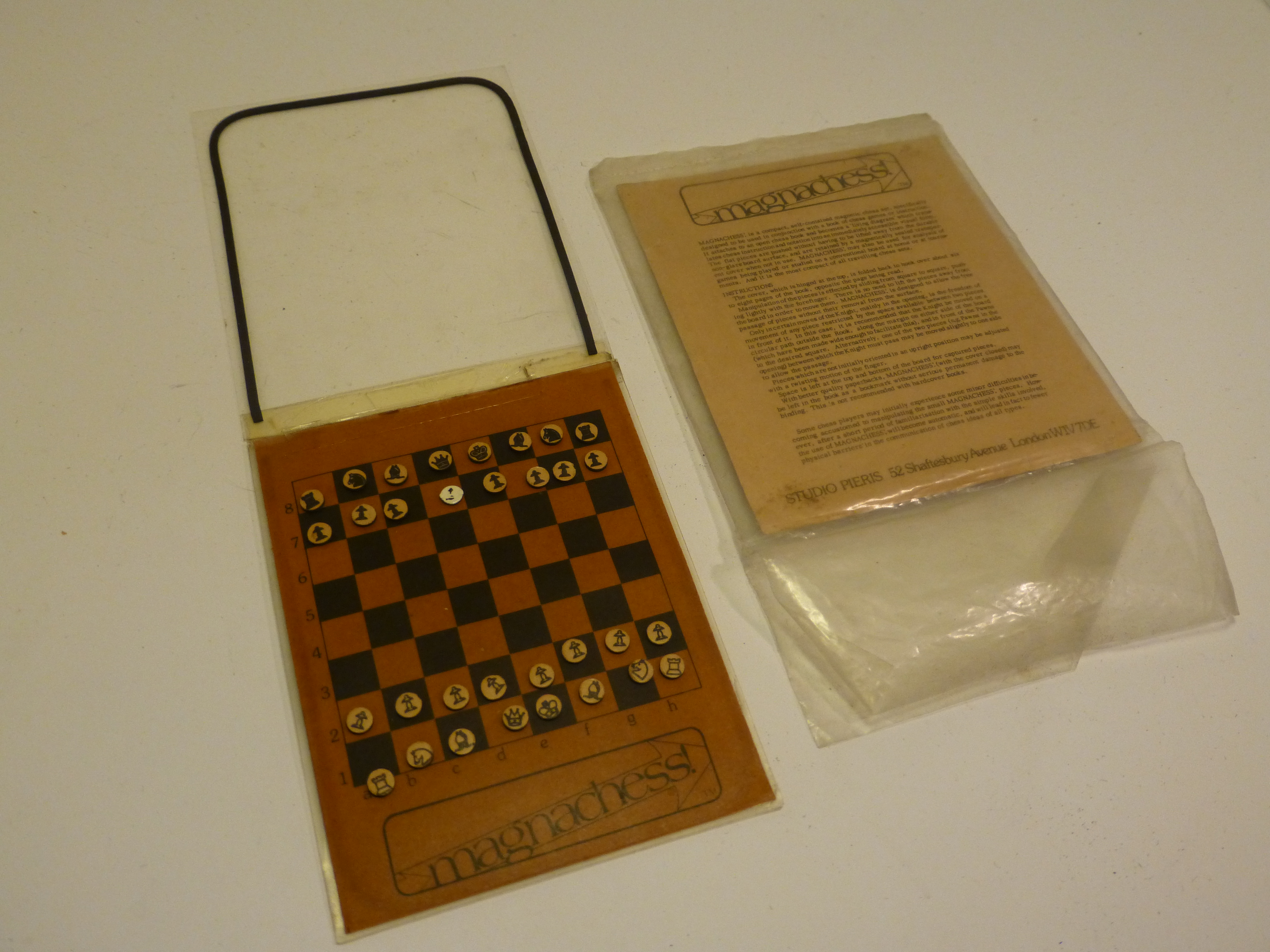
This is an occasional series of postings inspired by a brief discussion on the flight home from Turkey this summer. The flight attendant saw I was reading a chess book (quelle surprise) and, just making polite small talk, said she also liked playing chess, saying that depending on whether other crew members played, she would play on stopovers. Later in the flight she asked me if I had a chess set at home…and that set me thinking. How many chess sets do I have? And since then number is, well, shall we say, quite high, I thought I would blog about them especially those which ‘mean something to me’.
History
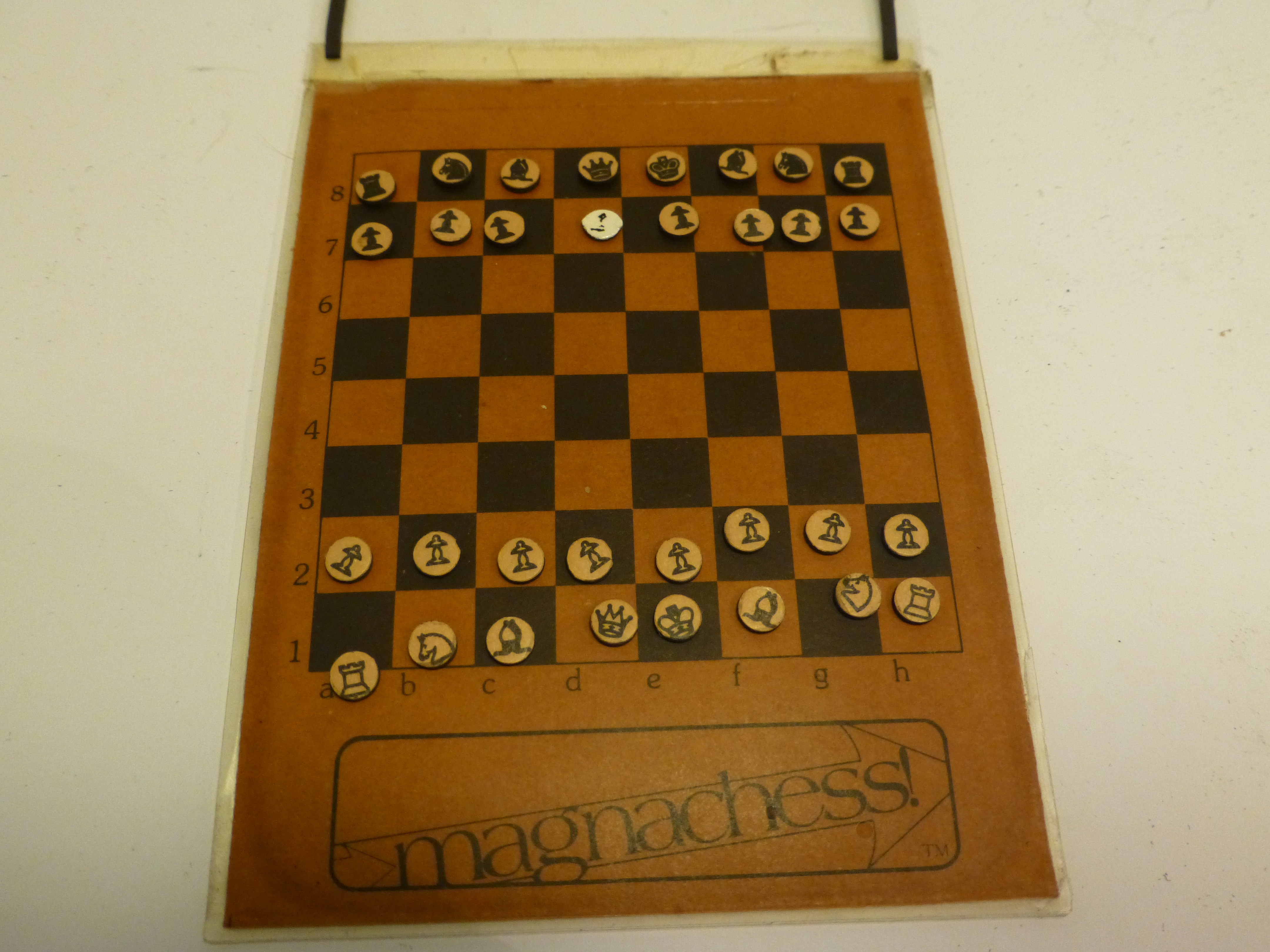
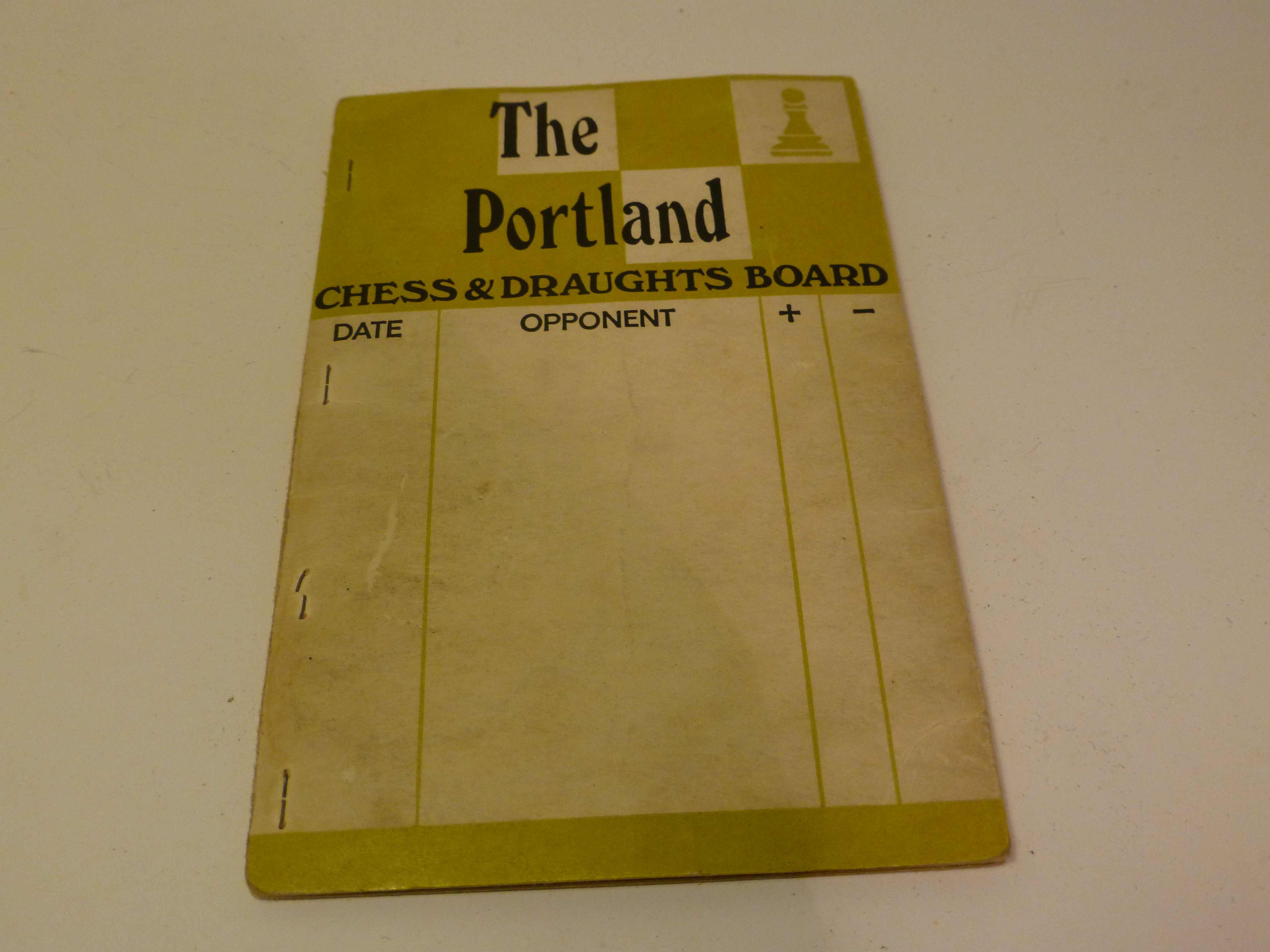
I had two of these sets, although as I write, I can only find one.
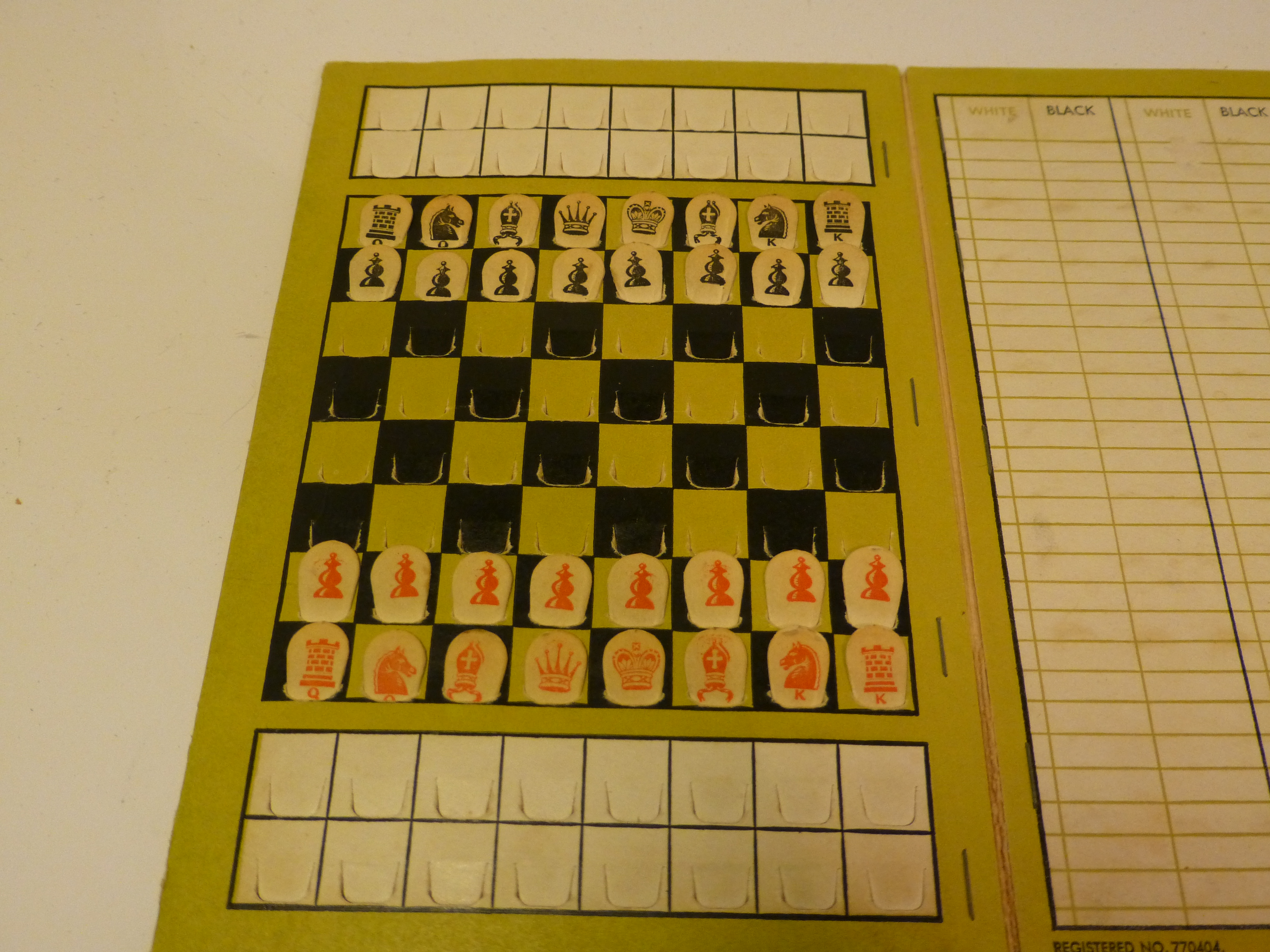
The other had two boards, and no scoresheet section. I never wrote anything on the scoresheets, that would have spoiled the set (and I wonder how many players did?). Portland sets were aimed at correspondence players, which I never was (save for the briefest of trials, when I entered some postal tournament, only to find that one player never played a move, and another, clearly a beginner, stopped writing after half a dozen moves: and I never gave that version of the game a second chance).
As I write this blog, I can still hear the reassuring ‘shug’ (that’s the nearest to the sound) a piece moved from one square to another. Portland sets also came with optional plastic pieces, which I had as well, but to my mind they never worked as well cardboard: maybe the cardboard men were thicker than the plastic pieces, and so ‘shugged’ better, fitted in tighter.
The Portland sets were my favourites for when reading a book in bed: lighter, easy handle, probably easier to set up positions.
One downside is that if you weren’t careful, and I wasn’t always, a piece could spring our, like a twiddlywink and fly a distance. I spent more times than I would have liked to hunting in my bedroom for a flying piece: fortunately, I never lost any.
This is an occasional series of postings inspired by a brief discussion on the flight home from Turkey this summer. The flight attendant saw I was reading a chess book (quelle surprise) and, just making polite small talk, said she also liked playing chess, saying that depending on whether other crew members played, she would play on stopovers. Later in the flight she asked me if I had a chess set at home…and that set me thinking. How many chess sets do I have? And since then number is, well, shall we say, quite high, I thought I would blog about them especially those which 'mean something to me'.
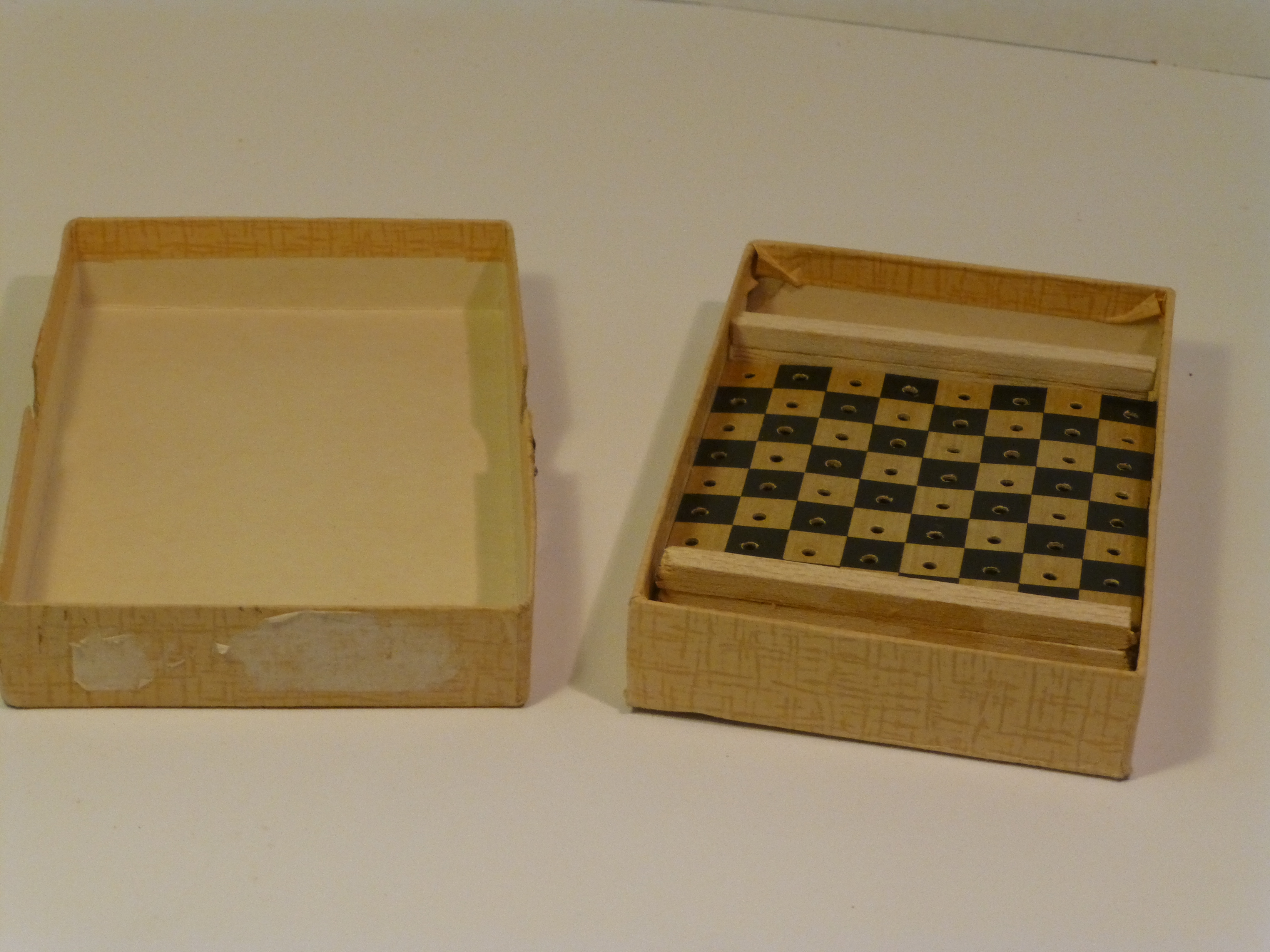
History
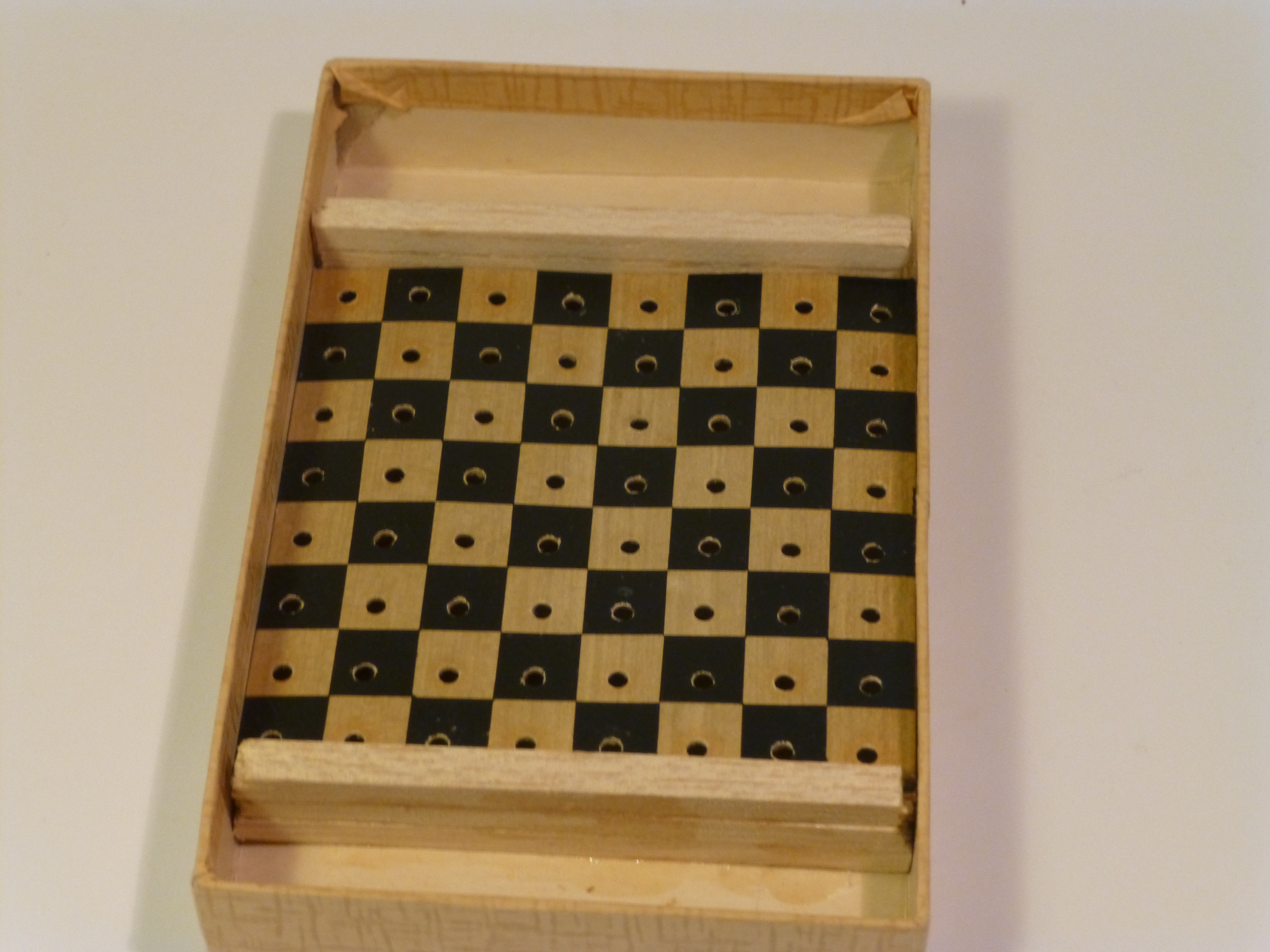
My father made this pocket set for me, from a cardboard box, with plywood. I don't know where he got the board from. Dad will have made it in 1971, when the chess bug got me, as the World was building up to Fischer-Spassky.
I knew nothing of how Bobby had got to the final: that he has beaten the West's no 2 player, the Dane Bent Larsen 6-0, nor that he had also beaten another challenger Mark Taimanov by the same 6-0 score (for which Taimanov was punished on his return home: all I knew was that America wanted Fischer to play the Russian Spassky in Reykjavik – all very exciting for an eleven year old boy.

Feeling about the set
Not that strong, because whilst dad made me, I don't recall using it much, since when I wanted to have the big pieces out, I used my first set, and soon I owned the wooden pocket set which became my constant companion.
Rating
4/10, but only because dad made it.
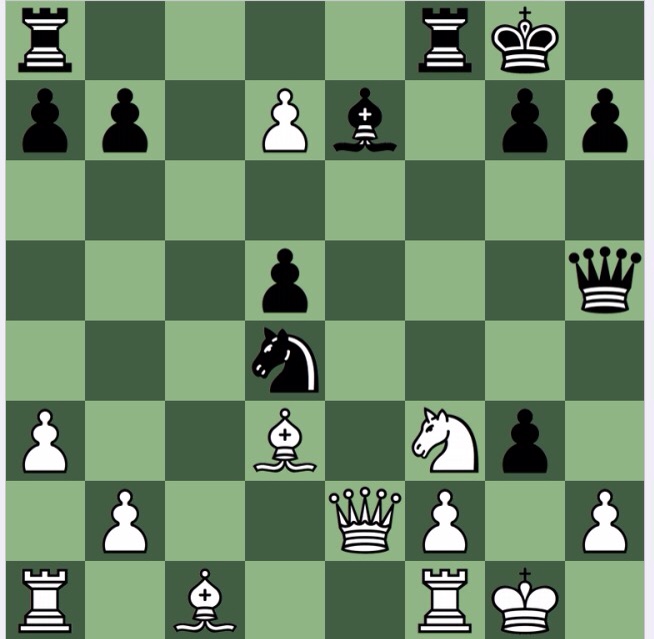
White to play and win
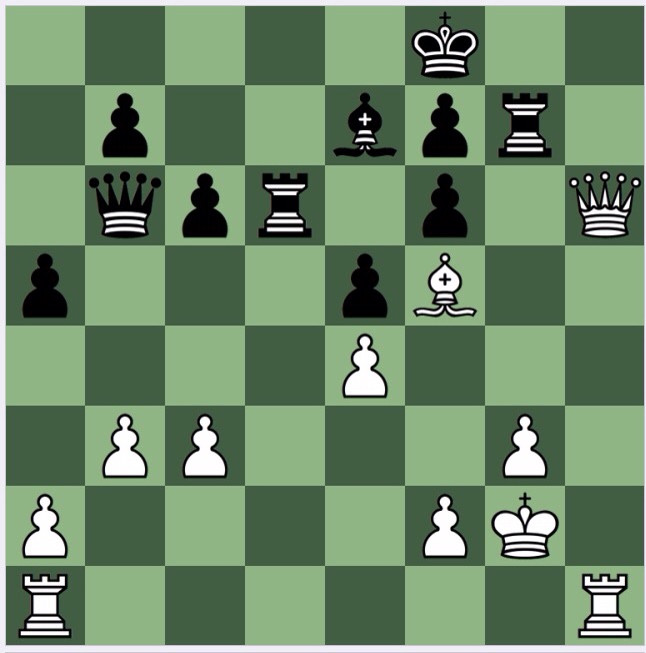
G. Meyer v S Olah 1995
Solution
Simple today: a standard sac and follow up: 1 Qg7+ Kg7 2 Rh7+ Kg8 (2…Kf8 3 Rh8+ etc, keeping the king in his box) 3 Rah1, and mate follows: Rh8+ and R1h7 mate.

Black to play and win
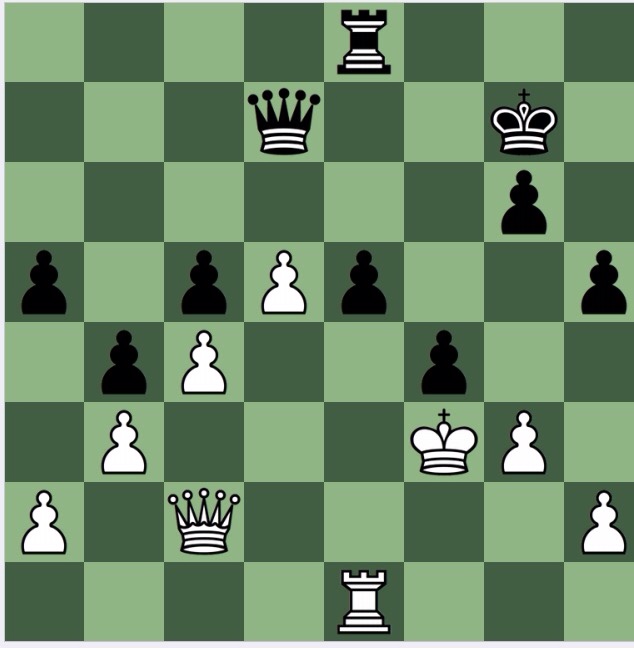
C Hoek v JJ Steenkamp 2004
Solution
1…e4+, is based on the tictac 2 Re4? Qg4+ 3 Kf2 fg+, and either white wins a rook or the pawn queens (4 Ke3 Qe4+, pieces off, and gh etc).
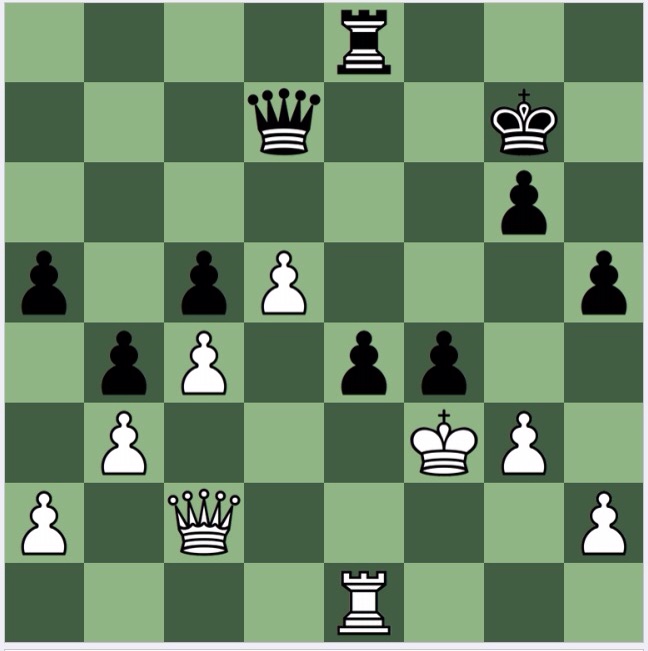
So white must retreat his king after 1…e4+: if he goes to Kf2, then Qh3 threatens a horrible skewer on h2. If instead 2 Kg2 f3+ 3 Kf2, and now again, 3..e3+, with a threat of a skewer: 4 Re3 Qh3 and the game is over. White has other defences to 1…e4+, but they each lose similarly.
Black, to play, blundered with 1…Bf6. What should white play?
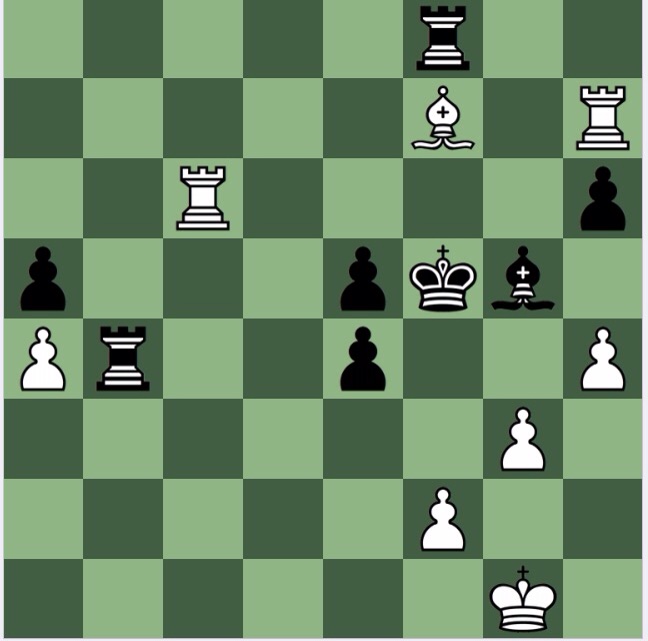
M Levitt v D Solomons 1995
Solution
Black could have played 1…e3, and if 2 hg e2, or if 2 fe Be3, and the game goes on. Instead, he played 1…Bf6:
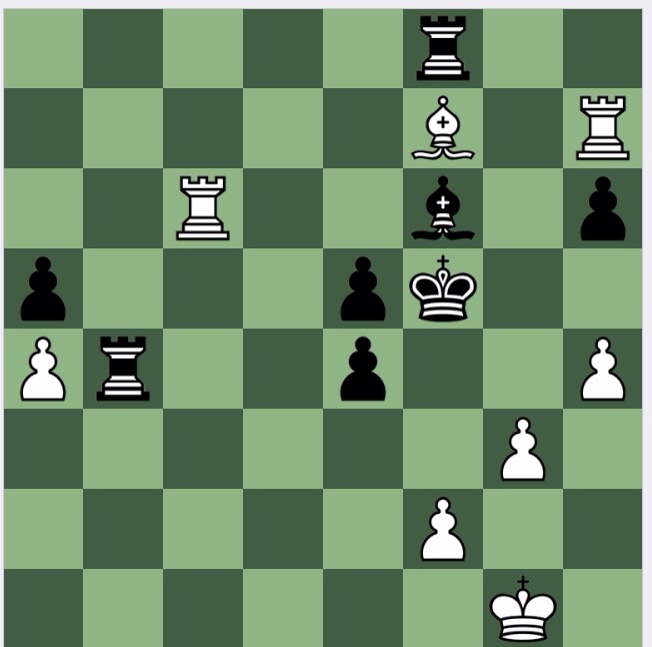
Black to play and win
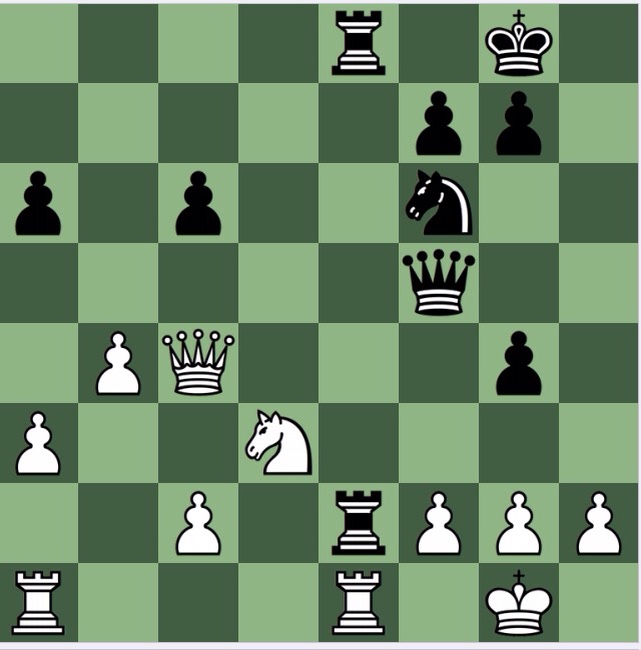
N Van der Nat v JC Meintjies 2004
Solution
As with yesterday's, fairly straightforward: 1…Qd3 and black wins a piece after 2 Qd3, or the game, after 2 cd.
Black to play and win
White has just played 1 ed:
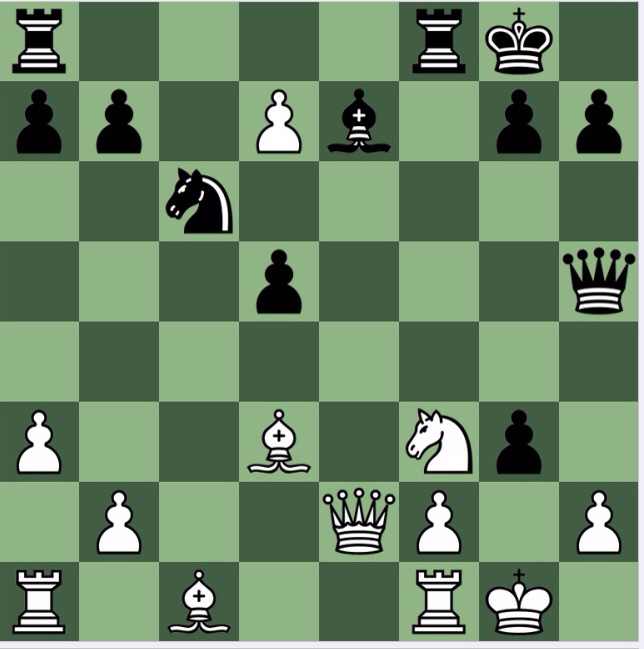
KS Willenberg v HR Steel
Solution
Fairly straightforward: whilst 1…Rf3 permits white to grovel on after 2 fg, 1…Nd4 is a standard move in such positions, and simply wins.
White to play and win
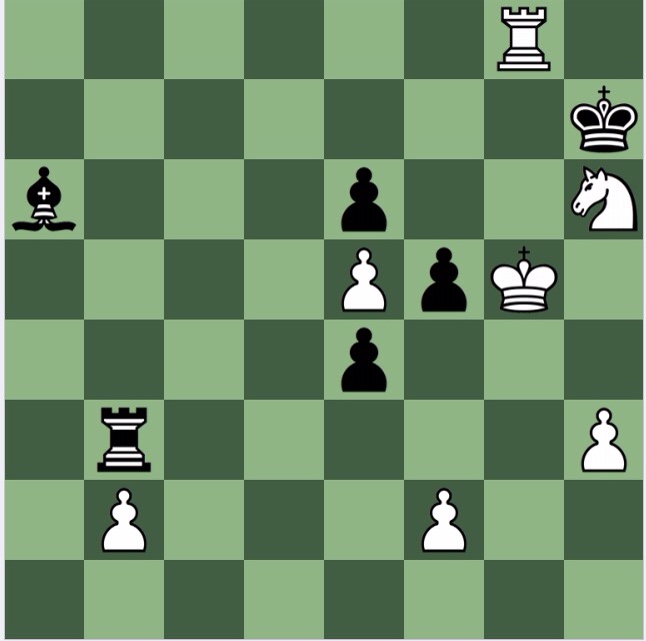
J Tsalicolgou v B Kerr 1977
Solution
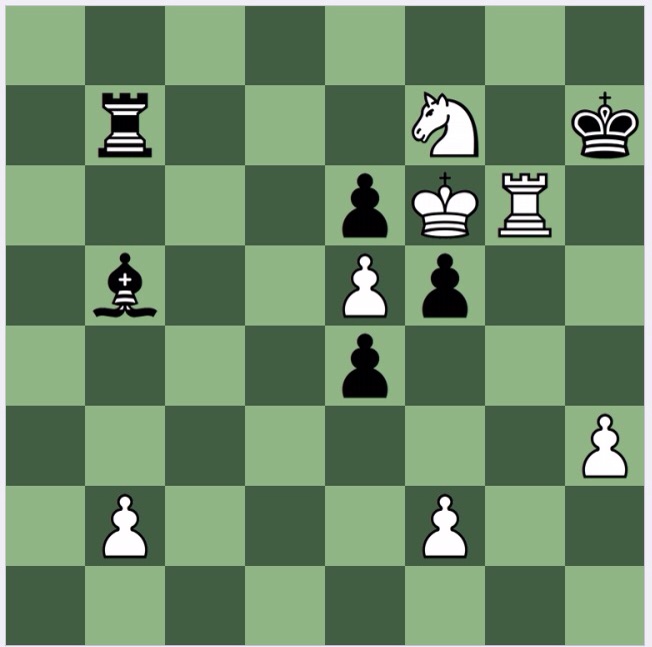
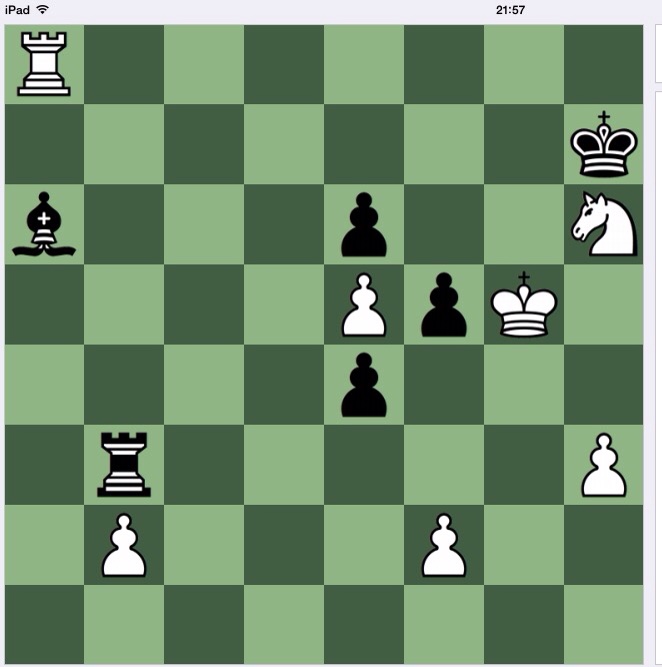
I messed this up. Reitstein's clue asked his readers to find the coup de grace, and I took this as a mating net, and was pleased with myself to find 1 Rg6 Rb7 (threatening 2…Rg7) 2 Kf6 (preventing the same) Bb5 3 Nf7 threatening both 4 Rg7 mate and 4 Rh6 mate. But what did I miss?
 allanbeardsworth